
Last updated November 22, 2026
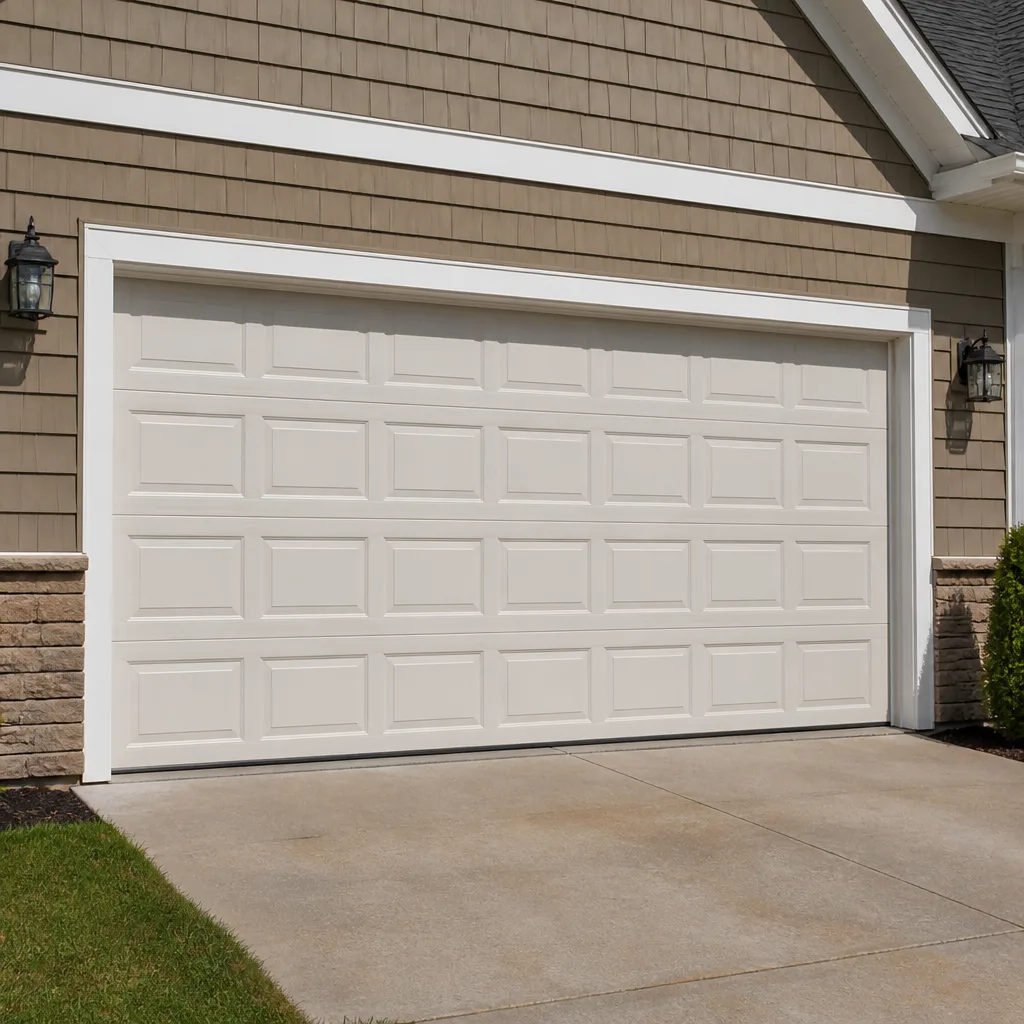 Raised-panel steel
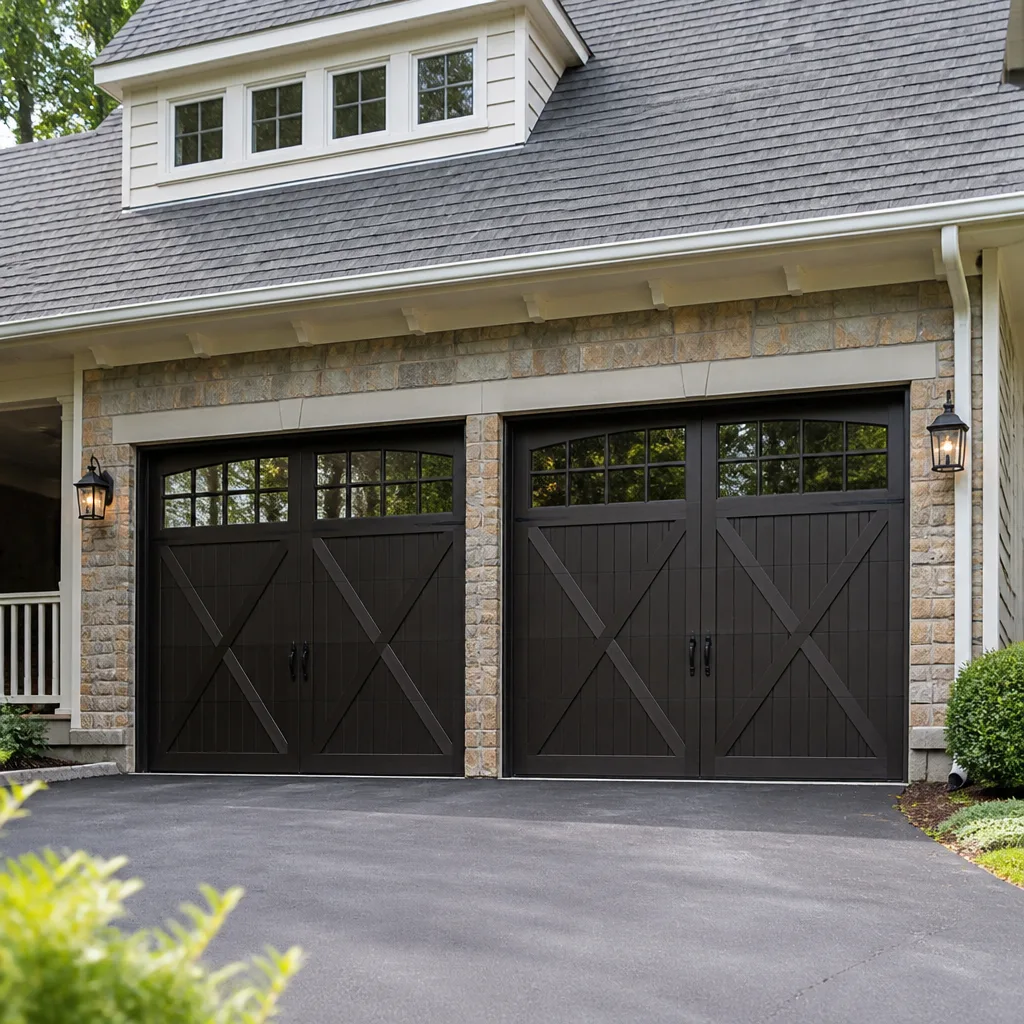 Carriage house
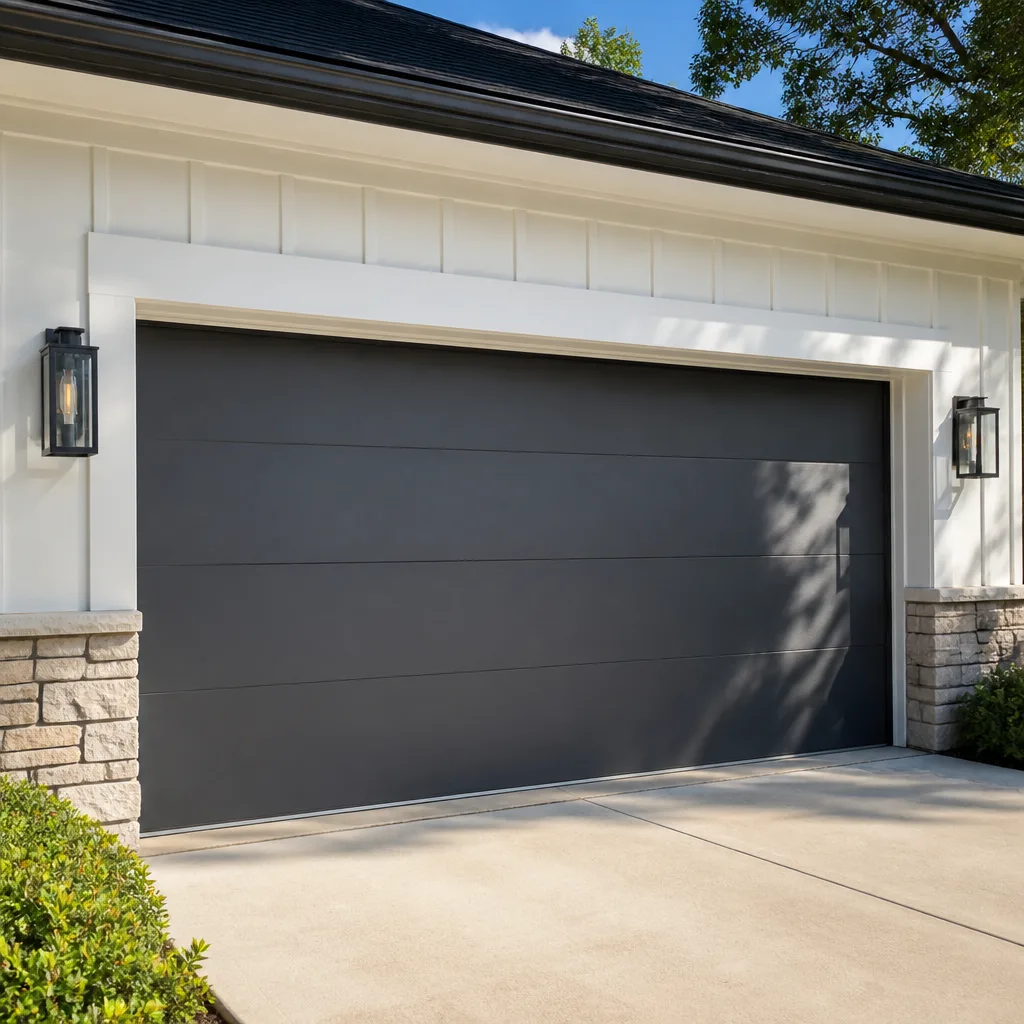 Modern flush
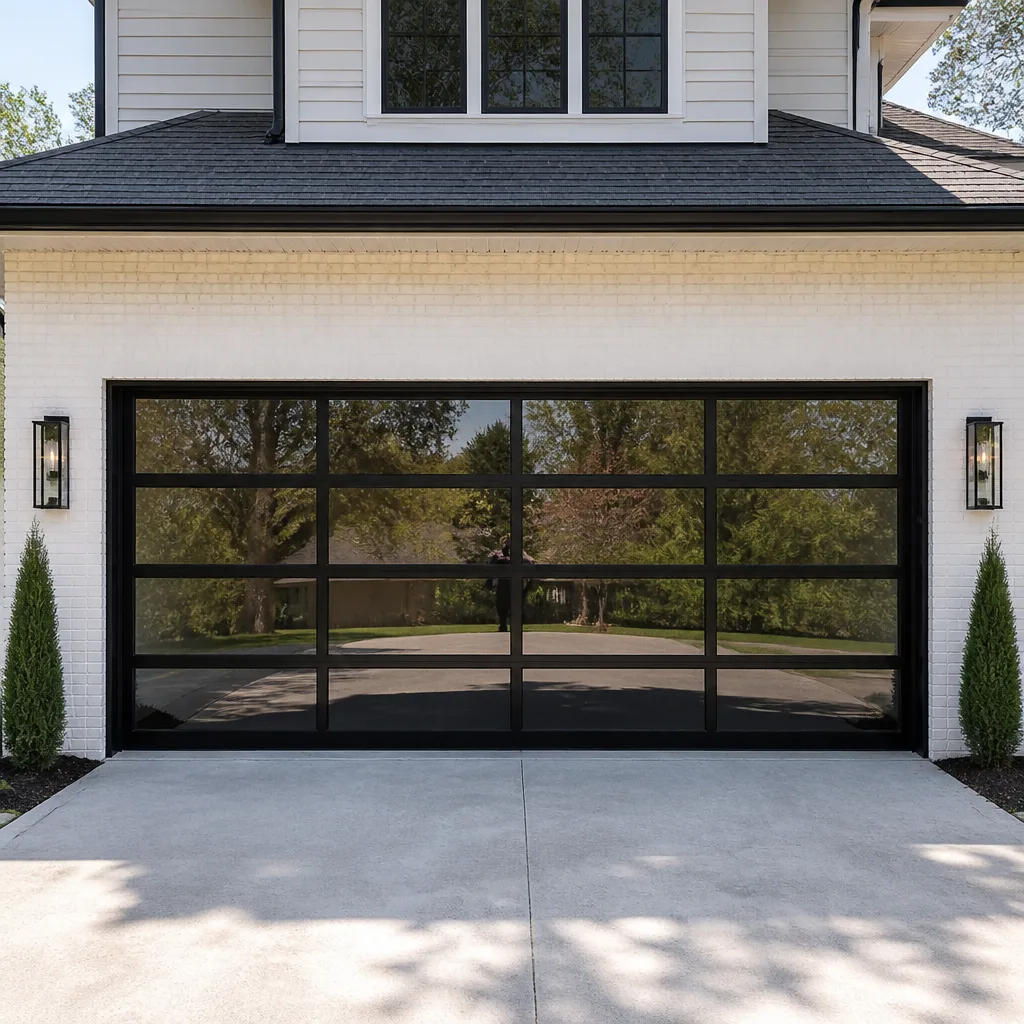 Full-view glass
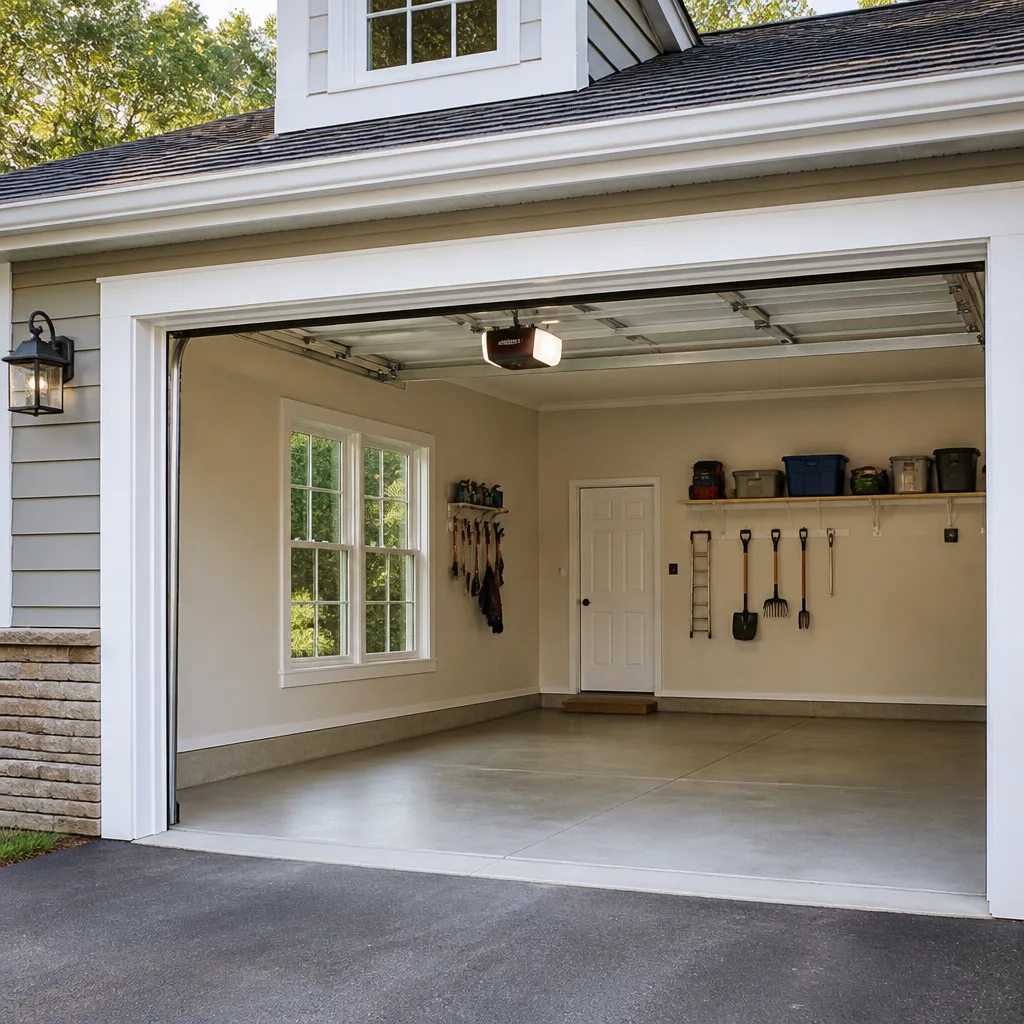 LiftMaster openers
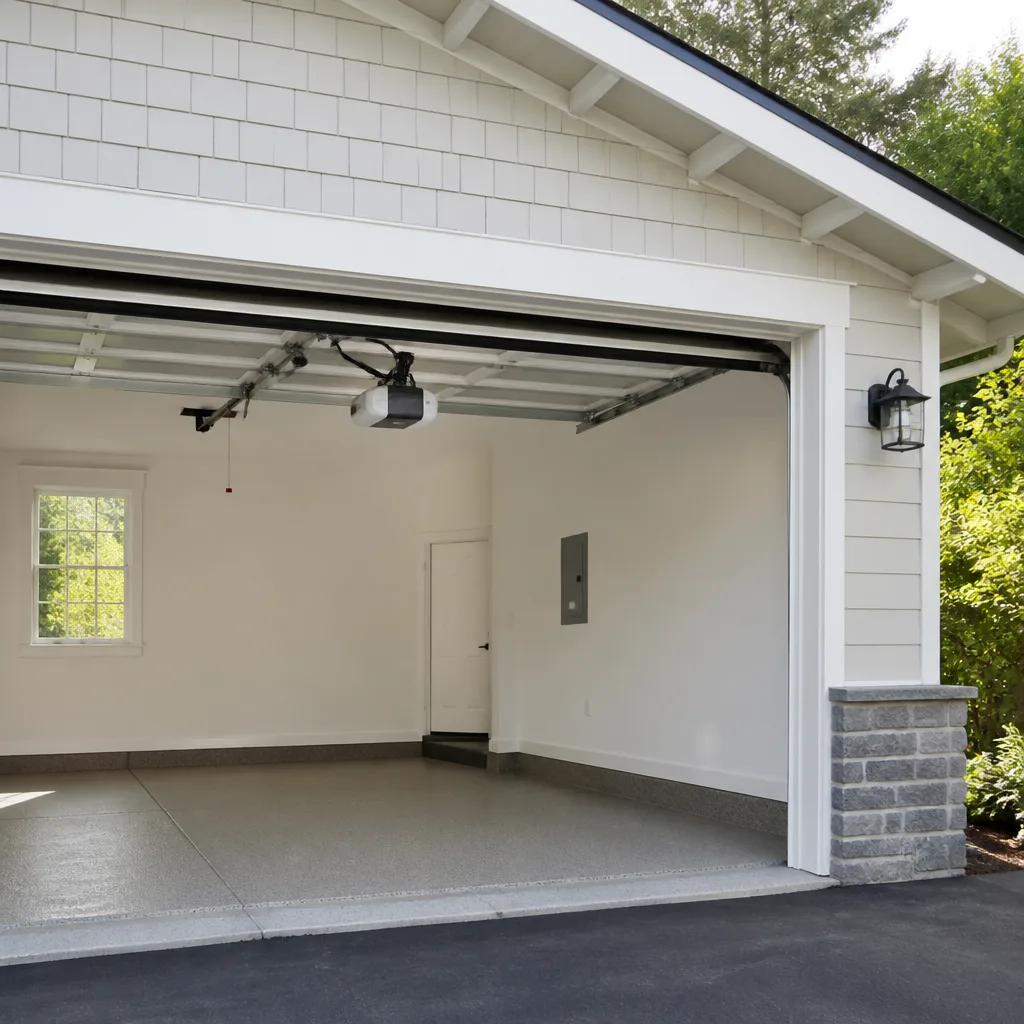 Chamberlain openers
Full 25-point door and opener safety check with every visit - springs, cables, rollers, tracks, and your LiftMaster or Chamberlain opener included
You get a price before we start. It does not change when the pro arrives.
Get your free estimateThe Complete Guide to Garage Doors in Central Park
Most Central Park homes went up within the last fifteen years, which puts a few thousand original garage doors on the same aging curve at the same time. That’s the part national garage door guides miss: the doors in this neighborhood aren’t the same spec as a 1990s suburban ranch, and the replacement decisions aren’t the same either. HOA design covenants narrow what you can put on the front of the house, the Front Range wind and temperature swings stress the mechanicals differently, and the torsion spring system behind the panel is sized for one specific door weight. This guide walks through every choice a Central Park homeowner or property manager actually faces, from a stuck door to a full replacement, and explains when each one makes financial sense. We work on doors here every week, and this is what we’ve learned about what fits.
Quick Answer
A garage door problem in Central Park comes down to three questions: is it cosmetic or mechanical, does the HOA covenant allow the replacement you want, and is the spring sized for the door you have? Springs, cables, and opener failures are safety-critical repairs that a trained technician should handle. Panel damage or a worn-out door from the last fifteen years is often a replacement decision, not a repair. Call (877) 419-7757 for a free written estimate and we’ll tell you which side of that line your door is on.
Styles & brands we work with
- Raised-panel steel
- Carriage house
- Modern flush
- Full-view glass
- LiftMaster openers
- Chamberlain openers
Table of Contents
- Why Central Park Garage Doors Age Differently
- How HOA Design Standards Narrow Your Replacement Choices
- Torsion Springs and Door Weight in Newer Construction
- Wind Load, Insulation, and the Front Range Climate
- Brand Availability and Parts Turnaround in the Denver Metro
- Cosmetic Upgrade vs. Full Mechanical Replacement
- Opener Systems and When to Repair vs. Replace
- What a Reasonable Maintenance Routine Looks Like
Why Central Park Garage Doors Age Differently
Central Park was built as a master-planned community, and that has a specific effect on garage doors. The homes were completed in a compressed window, which means the original doors, springs, and openers were installed within a few years of each other across the whole neighborhood. They’re aging as a cohort. When a door from 2010 starts to sag or its spring sags first, its neighbors are a season or two behind it, not a decade.
That matters because the failure patterns cluster. We see a run of similar opener issues across Central Park homes with the same model, because the openers all went in on the same install schedule. We see springs reach their cycle count around the same time. That’s not a coincidence; it’s an install-timing effect.
The second difference is the housing stock itself. Central Park includes row houses, detached homes, and townhomes with shared garage walls. That mix changes the service call:
- Row houses and townhomes often share a wall with the neighboring garage, so noise, vibration, and opener force settings matter more. A door that slams is more than an annoyance when the wall is shared.
- Detached homes usually have a deeper garage bay with a standard double door or two singles, which makes spring sizing more forgiving.
- Alley-load garages see more wind exposure and more debris in the tracks, which speeds up roller wear.
And then there’s the constant traffic. Central Park is a walkable community with an active town center and lots of short trips in and out. A garage door that sees six cycles a day instead of two will hit its spring’s design life in a fraction of the time. When a homeowner in Central Park asks why a door that isn’t old needs a spring repair, this is usually why.
How HOA Design Standards Narrow Your Replacement Choices
Before you shop for a replacement door in Central Park, check your HOA design guidelines against the door you want. The covenants that governed the original Stapleton and later Central Park construction set material, color, and style expectations for street-facing improvements, and a garage door faces the street on most of these homes. That means the choice you make at the showroom can hit a wall at the architectural review stage, and it’s much cheaper to find that out before you order.
What the guidelines typically touch:
- Material – steel is almost always safe, but wood-look and full wood options can require explicit approval depending on the sub-association.
- Color – the palettes were set to match the neighborhood’s architecture, so a bold custom color is the most common rejection.
- Panel style – raised-panel vs. carriage-house vs. flush, and window inserts, are commonly listed as approved or restricted.
- Hardware – decorative hinges, handles, and strap sets on carriage-style doors may need approval if they aren’t part of the original approved style.
The practical move is a two-step:
- Get the current design guidelines and the approved door styles from your HOA before you start comparing prices.
- Get a written measure and quote for a door that meets those guidelines, so the contractor and the board are working from the same spec.
We can’t overstate how often this goes wrong in Central Park: a homeowner picks a door they love, gets it installed, and then the HOA asks them to change it. That’s an expensive lesson. The right sequence is HOA first, measure second, install third. If your HOA needs the spec sheet and the door manufacturer’s documentation for the review, we can supply that with the quote.
Torsion Springs and Door Weight in Newer Construction
A torsion spring is matched to one door. Not to a “standard door,” not to whatever’s on the shelf, but to the exact weight and height of the panel it lifts. Newer Central Park homes tend to run specific door sizes and insulation values, and the springs behind them were calculated for that. If a spring fails and someone swaps in a spring with a different wire gauge or length without recalculating, the door will either drag and overload the opener or run with too much force.
That’s why spring repair is a specialty, not a handyman task. A torsion spring holds stored energy under serious tension, and the wrong replacement can fail catastrophically. We’ll say it plainly: this is one of the few garage door jobs a homeowner should never attempt. The parts, the tools, and the winding procedure are all designed for trained hands.
What a proper spring replacement involves:
- Measure the door’s actual weight and identify the spring’s wire size, inside diameter, and length.
- Match a replacement spring to that spec, or a matched pair if both are due.
- Wind the spring to the correct number of turns for the door height and counterbalance the weight.
- Test the door’s balance and the opener’s force and travel limits, then re-adjust.
One spring is priced per spring, but a matched pair is almost always replaced together because they’ve lived the same cycle count. Replacing one and leaving the other is asking to repeat the job in a few months. A full garage door repair on a spring that’s failed should always include the balance check, because the failure often pushes the door out of adjustment on the way down.
When a Spring Failure Isn’t Just a Spring
A broken spring can bend a cable, crack a drum, or damage the bottom bracket. In our experience, a spring that lets go on a door that’s been running out of balance will often take a second part with it. That’s why the diagnosis matters as much as the replacement. We check the cables, drums, and brackets before we quote the fix, so the estimate covers the whole repair and not just the first broken part.
Wind Load, Insulation, and the Front Range Climate
Front Range weather puts a specific kind of stress on a garage door. The wind runs high enough along the eastern edge of the metro that wind load ratings matter, and the temperature swings from a summer afternoon to a winter night cycle the steel panels through expansion and contraction daily. That’s a real durability question, not a sales pitch.
Two specs actually matter for a Central Park door:
- Wind load rating – the door’s design pressure rating reflects how much wind it’s built to resist. For homes exposed on the alley side or on a corner, this is worth checking against the original spec.
- Insulation (R-value) – an insulated door with a solid R-value keeps the garage from being a thermal weak point on the house. If the garage shares a wall with a living space, this matters for comfort and for the wall itself.
Here’s the mistake we see most often: a homeowner replaces a steel door with a thinner, cheaper door and doesn’t notice until the first cold snap that the garage is now 20 degrees colder than it used to be. The R-value of the original door wasn’t random; it was chosen for the house. When we quote a replacement in Central Park, we compare the new door’s rating against the old one so the upgrade is truly an upgrade.
Thermal cycling also wears out the moving parts faster than the door itself. Seals harden, rollers get noisy, and the opener has to work harder as the door’s balance drifts. A door that runs smoothly in July can bind in January. A periodic balance check catches that before it turns into an opener failure.
Brand Availability and Parts Turnaround in the Denver Metro
One thing Central Park homeowners learn quickly: not every door and opener brand is equally easy to get parts for in the Denver metro. Brand familiarity is half the battle, and parts availability is the other half. A technician who knows your brand still needs the right component to finish the job today.
The brands we service and stock parts for span the common doors and openers on these homes. For manufactured door panels, Clopay and Amarr are widely installed across the neighborhood and have dependable parts channels through the metro. For openers, Chamberlain and Genie are both common on newer Central Park homes, and their drive components and safety sensors are generally quick to source.
Turnaround differences you’ll notice:
- Common opener and hard-part components – usually fast, because the distribution is established in the metro.
- Specialty or discontinued components – can run longer, which is when a repair becomes a partial replacement.
- Custom-color or special-order door panels – lead times run weeks, not days, which is why we measure and order rather than guess.
This is why we treat parts as a core service rather than an afterthought. If we carry the part, the job doesn’t stall. If it’s a special order, we tell you the timeline up front and quote the written price on that basis. You won’t get a “we’ll be back once the part arrives” surprise after the technician is already on the ladder.
Cosmetic Upgrade vs. Full Mechanical Replacement
The most expensive decision is treating a mechanical replacement as a cosmetic upgrade, or vice versa. When a Central Park door hits the end of its service life in the next few years, the right call depends on what’s actually failing, not what the door looks like.
The split works like this:
- Cosmetic upgrade – the door’s mechanicals (springs, cables, opener, tracks) are healthy, but the panel is dented, faded, or dated. New panels, a color update, or window inserts solve the problem without touching the counterbalance system. Cost is lower and the job is faster.
- Full mechanical replacement – the panels are structurally sound but the springs, cables, drums, and opener are all at end of life. Replacing just the panels on a door that’s about to fail mechanically means paying twice. This is the point where a full new-door install is the better spend.
There’s a middle case worth naming. If the door was installed in the last fifteen years and the panel is fine but the spring is on its second failure, that’s usually a sign the door’s weight and the spring have drifted out of matching, and a re-spec is more sensible than another spring. A garage door installation doesn’t have to mean knocking out the whole opening; it can be a full door and hardware replacement on the existing frame.
We usually tell homeowners to answer three questions before they choose:
- How many cycles has the door run, roughly, based on household traffic?
- Has the spring failed before?
- Do the HOA guidelines let you re-spec the door now, or do you need a straight color match?
If the answers point in different directions, the written estimate becomes the tiebreaker. A good quote will separate the cosmetic work from the mechanical work so you can see exactly what you’re buying.
Opener Systems and When to Repair vs. Replace
An opener repair is usually cheaper than a replacement, but not always. A Chamberlain or Genie opener that’s lost a safety sensor or a gear can be repaired today. One that’s stripped its drive gear and is also tripping the wall control is at the end of its life, and a repair at that point is throwing money at a unit that will fail again.
What decides it:
- Safety sensors – the beam sensors at the bottom of the door. A misaligned or failed sensor is a repair, not a replacement, and it’s the most common opener complaint we get.
- Force and travel limits – if the door has started closing short or reversing on its own, the opener is either out of adjustment or the door’s balance has drifted. That’s diagnosis, not automatic replacement.
- Drive gear and motor – a stripped gear or a motor that runs hot and stops is a replacement decision. Ask what the repair will cost against the new unit before you commit.
Our garage door opener repair team works on both drive systems regularly, so they’ll tell you honestly whether your unit is worth repairing. There’s no reason to replace an opener that’s still healthy, and no reason to repair one that’s finished.
What a Reasonable Maintenance Routine Looks Like
You don’t need to be a mechanic to keep a Central Park door running. A few checks a couple of times a year cover most of what goes wrong before it becomes a repair. Nothing on this list requires you to touch a spring, a cable, or the opener’s internal components.
- Run the door by hand (disconnect the opener first) and check that it rises smoothly and stays roughly where you let go. If it drops or feels heavy, the balance is off and it’s time for a professional look.
- Look at the springs above the door. If you see a clean gap in the coil, the spring has broken. Don’t run the door; call for service.
- Wipe the tracks and check the rollers. A roller that’s cracked or flat needs replacing, not lubricant.
- Test the safety sensors by placing an object in the door’s path while it’s closing. It should reverse. If it doesn’t, stop using the opener until it’s fixed.
- Check the weather seal at the bottom of the door. A hardened seal lets in cold air and debris, which wears the mechanism faster.
In our experience, the doors that avoid expensive repairs are the ones that get a balance check after a spring replacement or a major adjustment. Skipping that step is what turns a single repair into an opener replacement a few months later. If you’d rather not handle these checks yourself, keeping an eye out for the warning signs on our Garage Door Repair Central Park page is a good place to start.
Common Mistakes to Avoid
- Ordering a replacement before checking HOA design standards. In Central Park, the architectural review can reject a door that doesn’t match the approved material, color, or style, and an installed door is expensive to undo. Get the guidelines first, then the quote.
- Swapping a spring without calculating the door’s weight. A spring that isn’t matched to the door will overload the opener or leave the door out of balance, and it can fail dangerously. This is the repair to leave to a trained technician.
- Replacing one spring of a matched pair. Both springs have lived the same cycle count, so a single replacement typically means a second repair within months. Plan on the pair.
- Treating a mechanical failure as a cosmetic problem. New panels on a door that’s about to need springs, cables, and an opener is paying twice for the same opening.
- Skipping the balance check after a repair. A door that runs smooth after a spring change can drift out of balance weeks later, and the opener absorbs that strain.
- Assuming a cheaper door is an equal door. A thinner panel with a lower insulation rating will leave the garage noticeably colder in winter, and the original spec was probably chosen for a reason.
- Running a door with a broken spring to “just get it closed.” A door with no counterbalance is far heavier than the opener can safely lift, and the strain can damage the opener, the cables, and the door itself.
See the difference
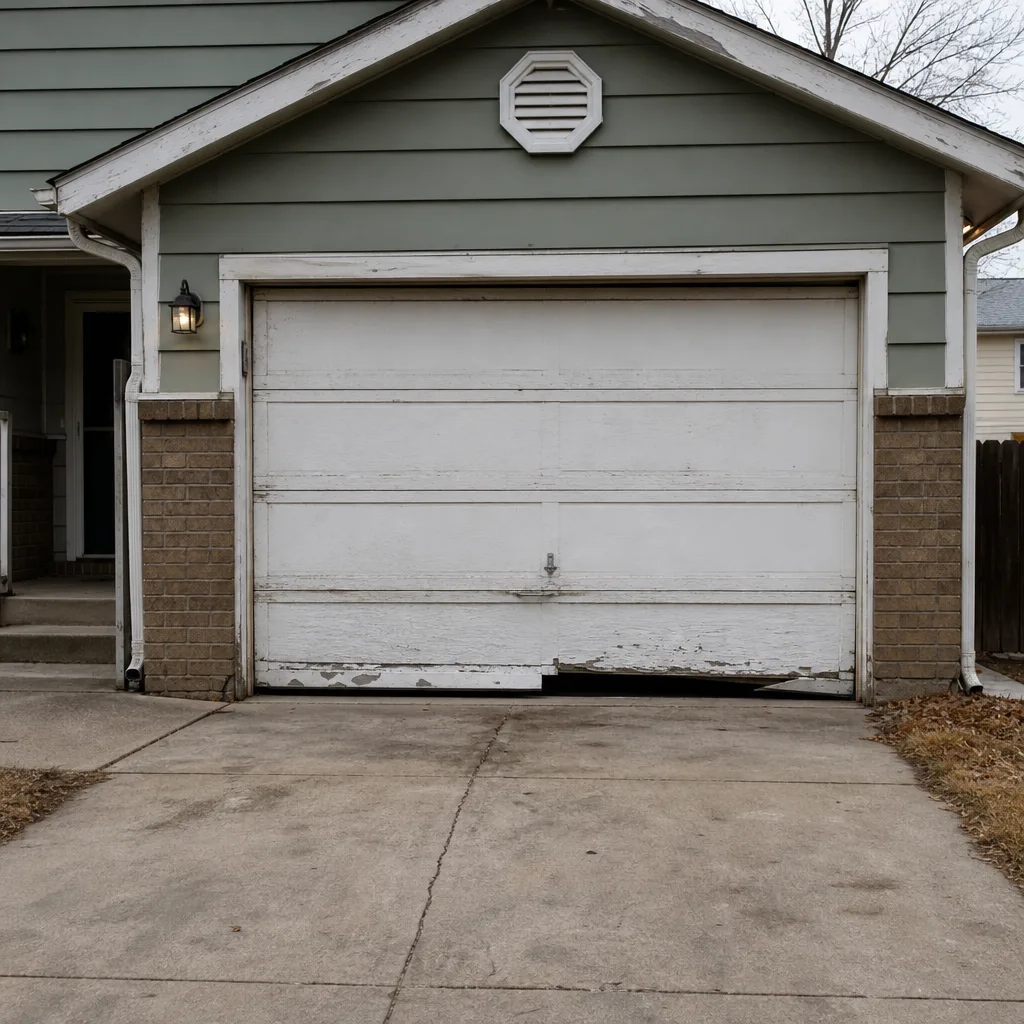 Before
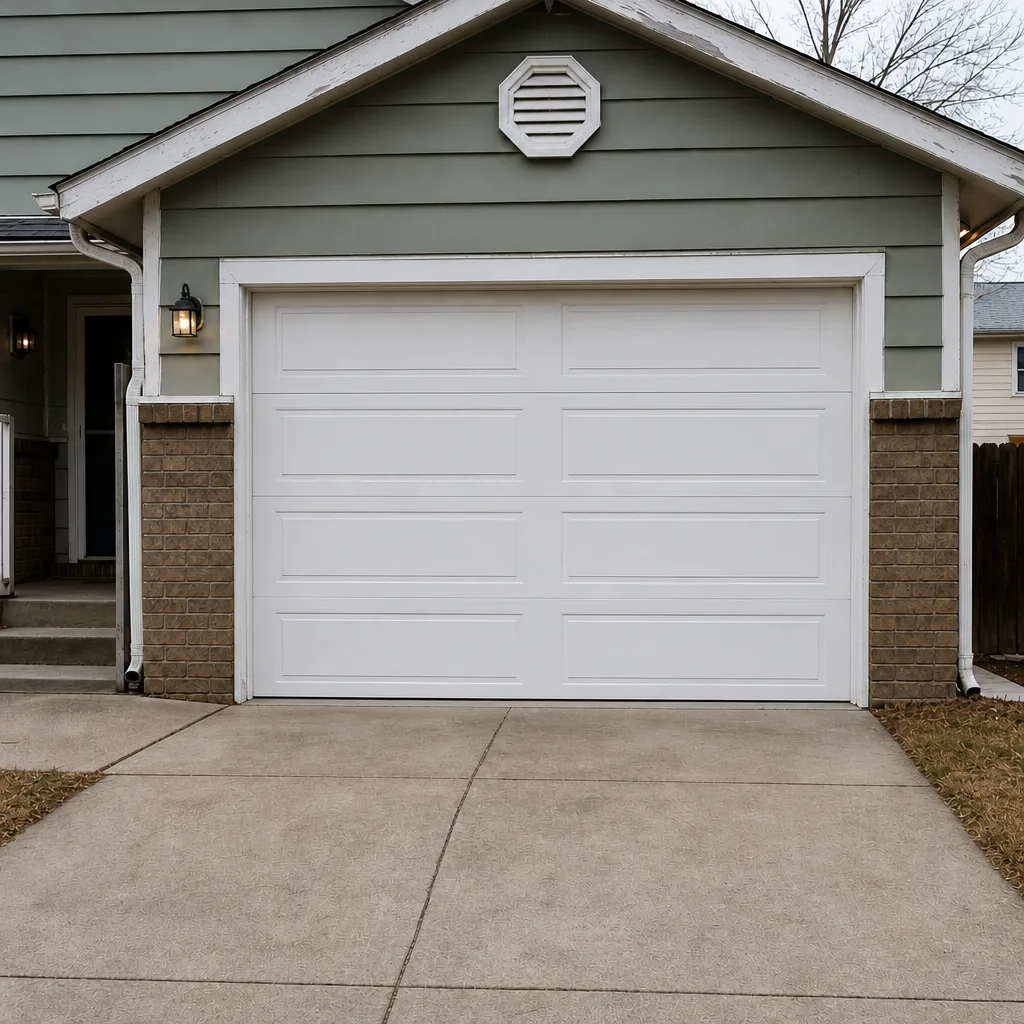 After
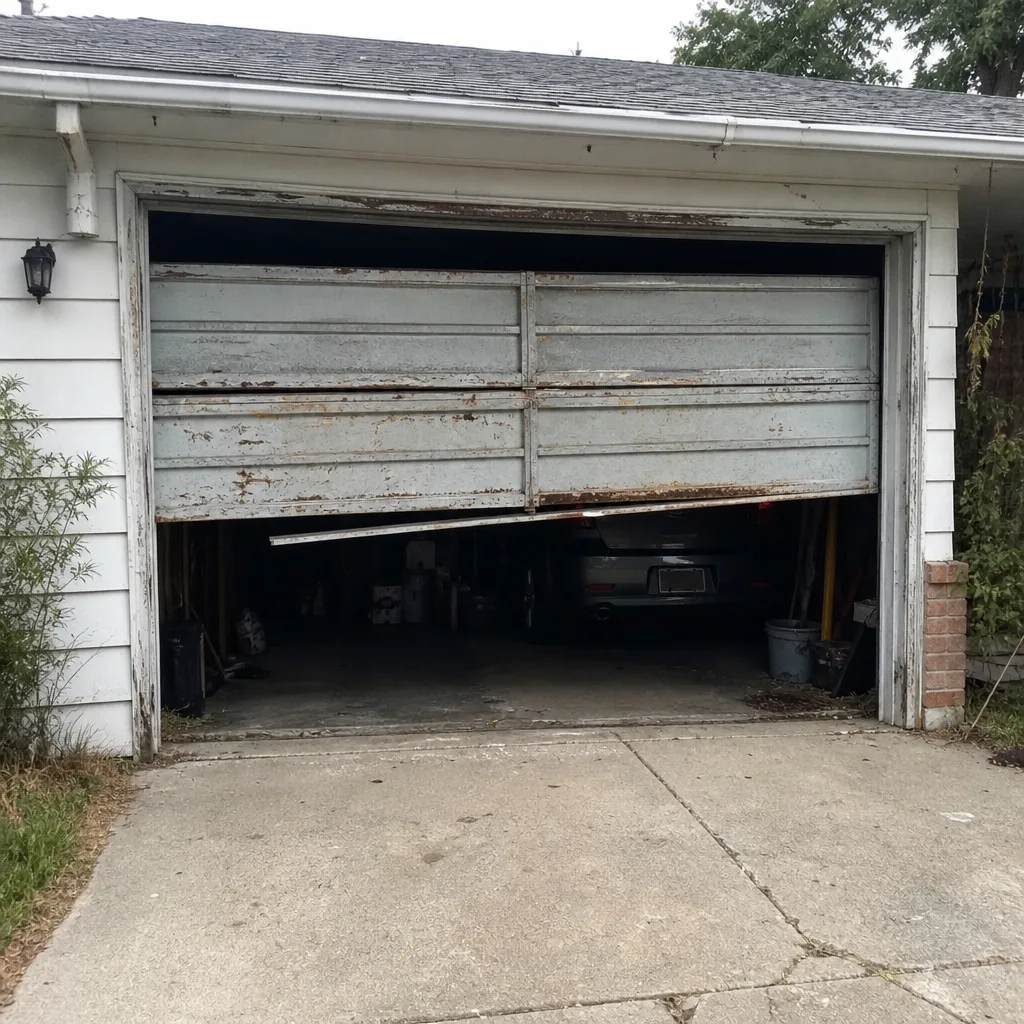 Before
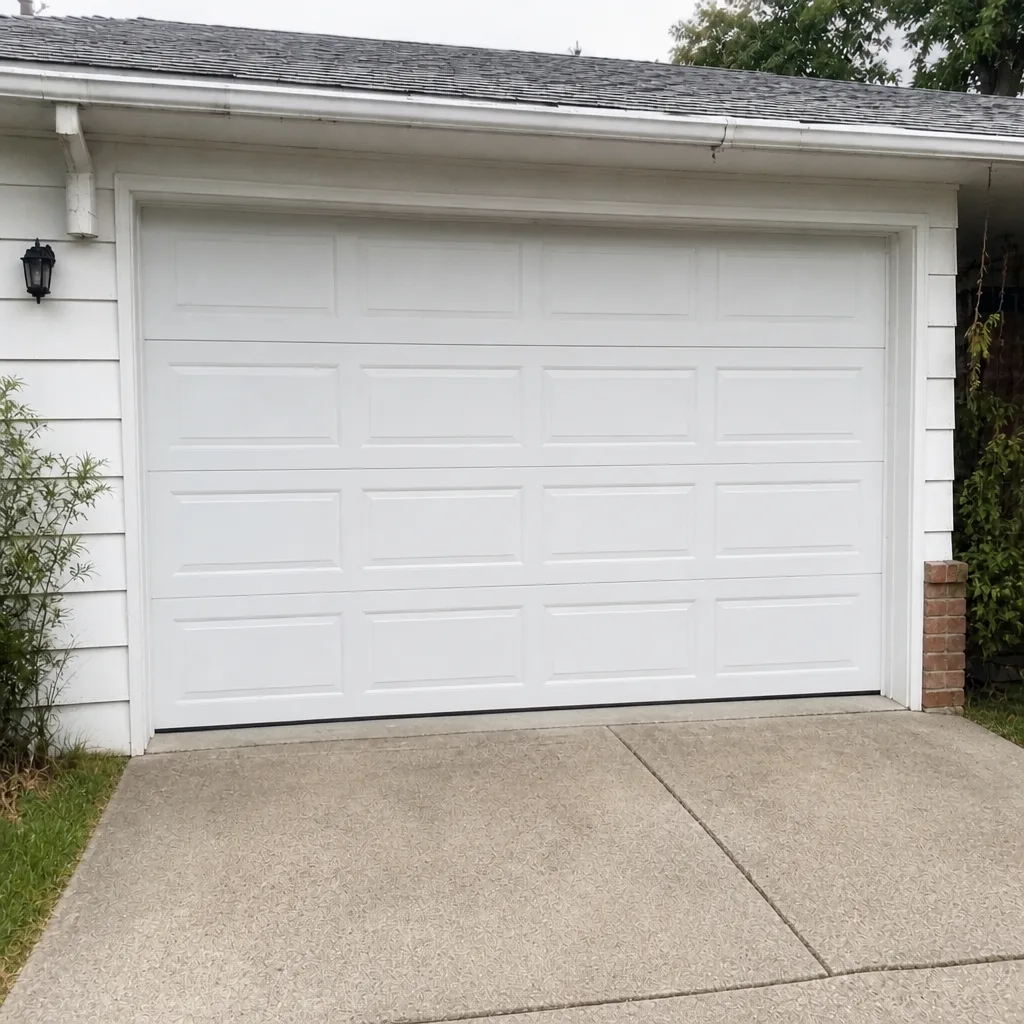 After
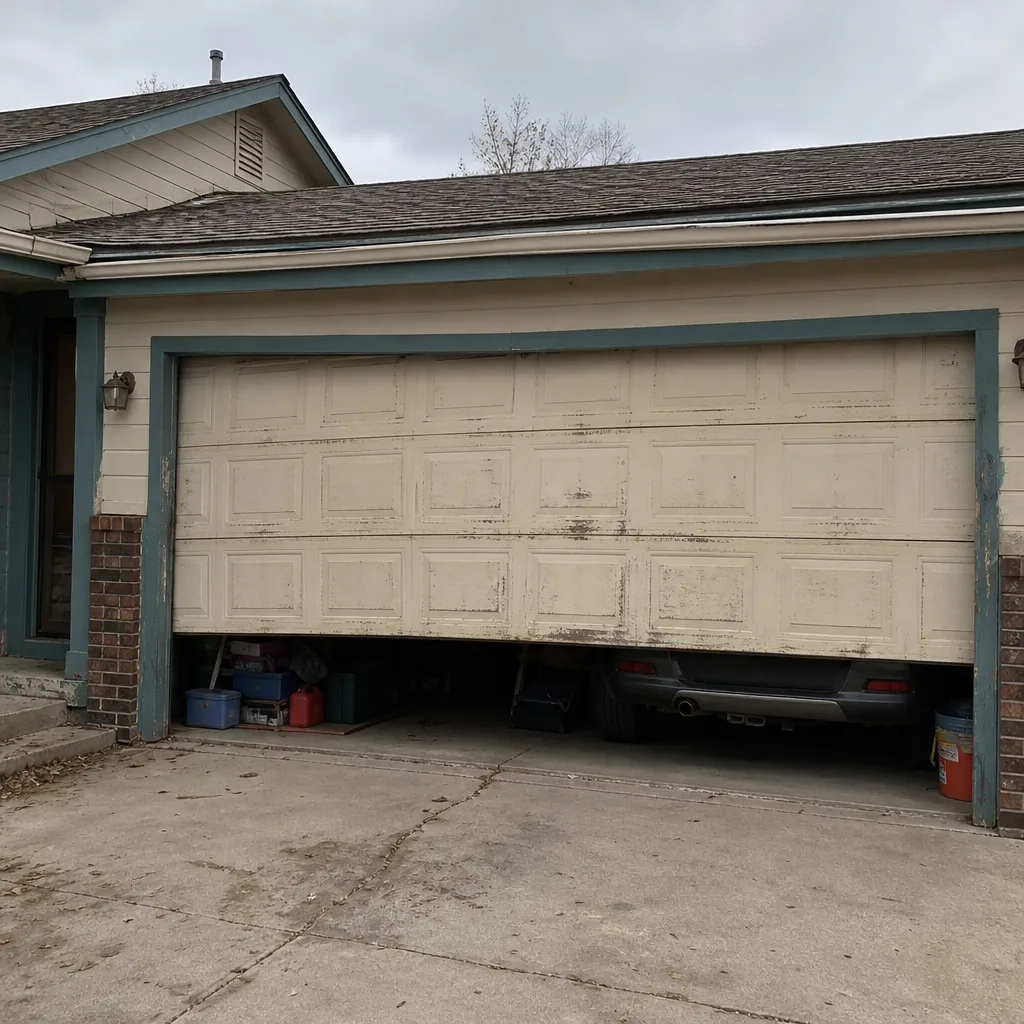 Before
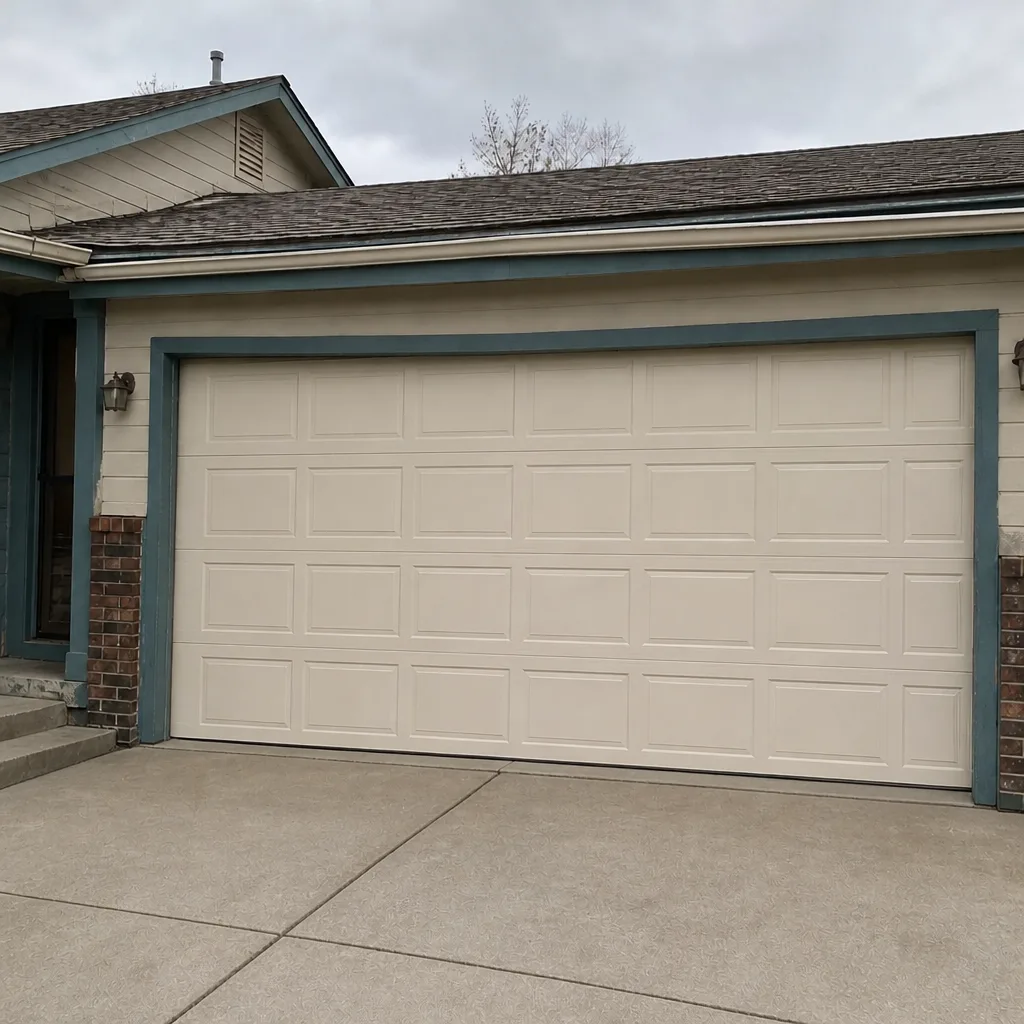 After
When to Call a Professional
Call a professional for anything involving the springs, cables, drums, or the opener’s internal components. Those are the parts that hold serious tension or carry electrical current, and a mistake there can cause injury or property damage. Call us if the door won’t open or close, if you see a gap in a spring, if the door reverses on its own, if the opener runs but the door doesn’t move, or if the door has become noticeably heavier to lift. Call us if a panel is dented or damaged after a hit, since the tracks may be bent even when the panel looks fine. And call before you order a replacement door, so the measure and the written price happen before any money changes hands.
Garage Door Repair Central Park offers free estimates in Central Park – call (877) 419-7757. We answer 24/7. Fast dispatch from 7am to 7pm, Sunday through Friday. The price is quoted and agreed before any work starts, and the written estimate sets the final price.
Frequently Asked Questions
Spring repair is priced per spring and depends on the door’s weight, spring type, and whether a matched pair needs replacing. We don’t quote a number here because a written estimate is the only price that matters on your actual door. Call (877) 419-7757 for a free estimate – we’ll tell you what the door needs and what it costs before anything is done.
We answer 24/7, and same-day service is available for repair calls, with fast dispatch from 7am to 7pm, Sunday through Friday. If your door is stuck open, stuck closed, or a spring has broken, call and we’ll book the soonest opening. A call outside dispatch hours is booked into the next opening, Sunday through Friday, 7am to 7pm. Call (877) 419-7757.
No – the written estimate you agree to is the price. We diagnose the full problem before quoting, including the cables and drums around a broken spring, so the estimate covers the whole repair rather than just the first failed part. If we find additional damage when we get into the job, we’ll tell you and get your agreement before doing the extra work. Call (877) 419-7757 for a free estimate.
The local pro we connect you with is licensed and insured as their state requires, and our technicians have up to 12 years of experience on the brands we service. We work on Chamberlain, Genie, Clopay, Amarr, and the other major door and opener brands rather than a single manufacturer. Call (877) 419-7757 to talk through your door.
In most cases, yes. The design standards for Central Park and the original Stapleton covenants set expectations for material, color, and style on street-facing improvements, and a garage door faces the street on most homes here. Pull your association’s current guidelines before you shop, and ask the door supplier for the manufacturer’s spec sheet to submit with the review. Call (877) 419-7757 if you want the measure and the written quote to include that documentation.
It depends on whether the failure is cosmetic or mechanical. If the panels are the only issue and the springs, cables, and opener are healthy, a repair or panel update makes sense. If the spring has already failed once and the opener is showing its age, a full replacement is usually the better spend because repairing one part at a time ends up costing more than a new door over the next few years. A free estimate will lay out both paths so you can compare them directly. Call (877) 419-7757.
The Bottom Line
Central Park’s housing stock puts a particular set of decisions in front of homeowners: doors from the build-out years are aging together, HOA design standards narrow the replacement choices, and the Front Range climate makes wind load and insulation ratings worth checking rather than ignoring. Springs have to be matched to the door’s actual weight, and a matched pair should usually be replaced together. Parts availability separates a repair that finishes today from one that stalls on a shipment, which is why we treat it as a core service. And the cosmetic vs. mechanical question is the one that saves the most money when you answer it honestly before you order. Call (877) 419-7757. We answer 24/7, with fast dispatch from 7am to 7pm, Sunday through Friday, and a free estimate before any work starts.
Written by the team at Garage Door Repair Central Park.