
Last updated November 22, 2026
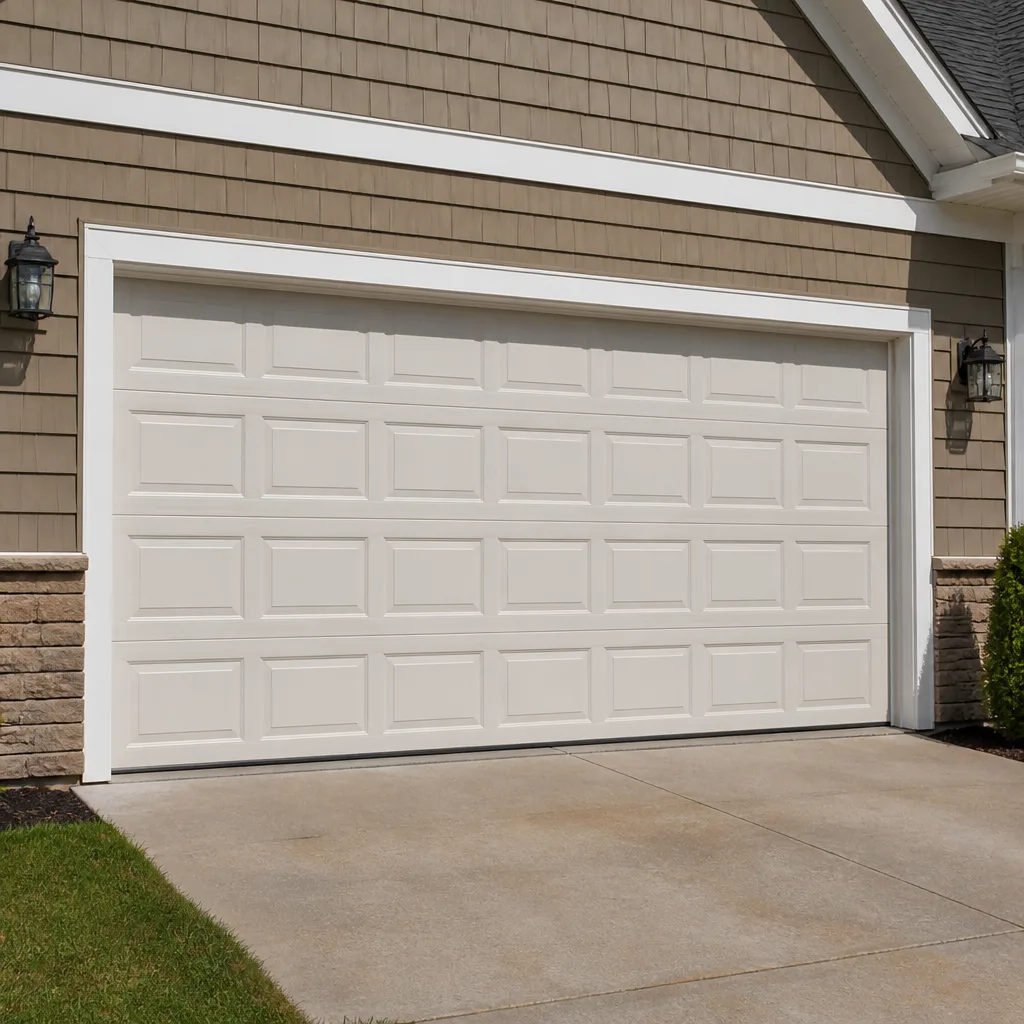 Raised-panel steel
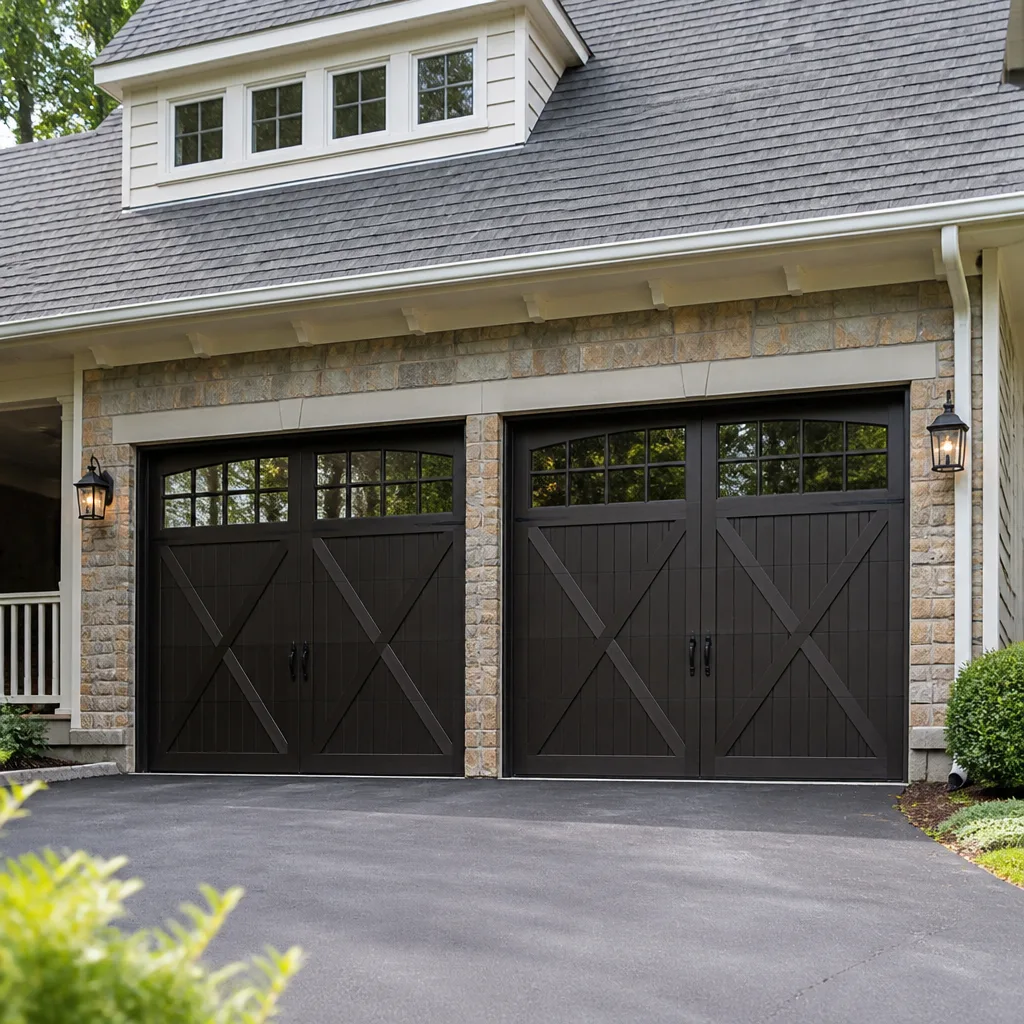 Carriage house
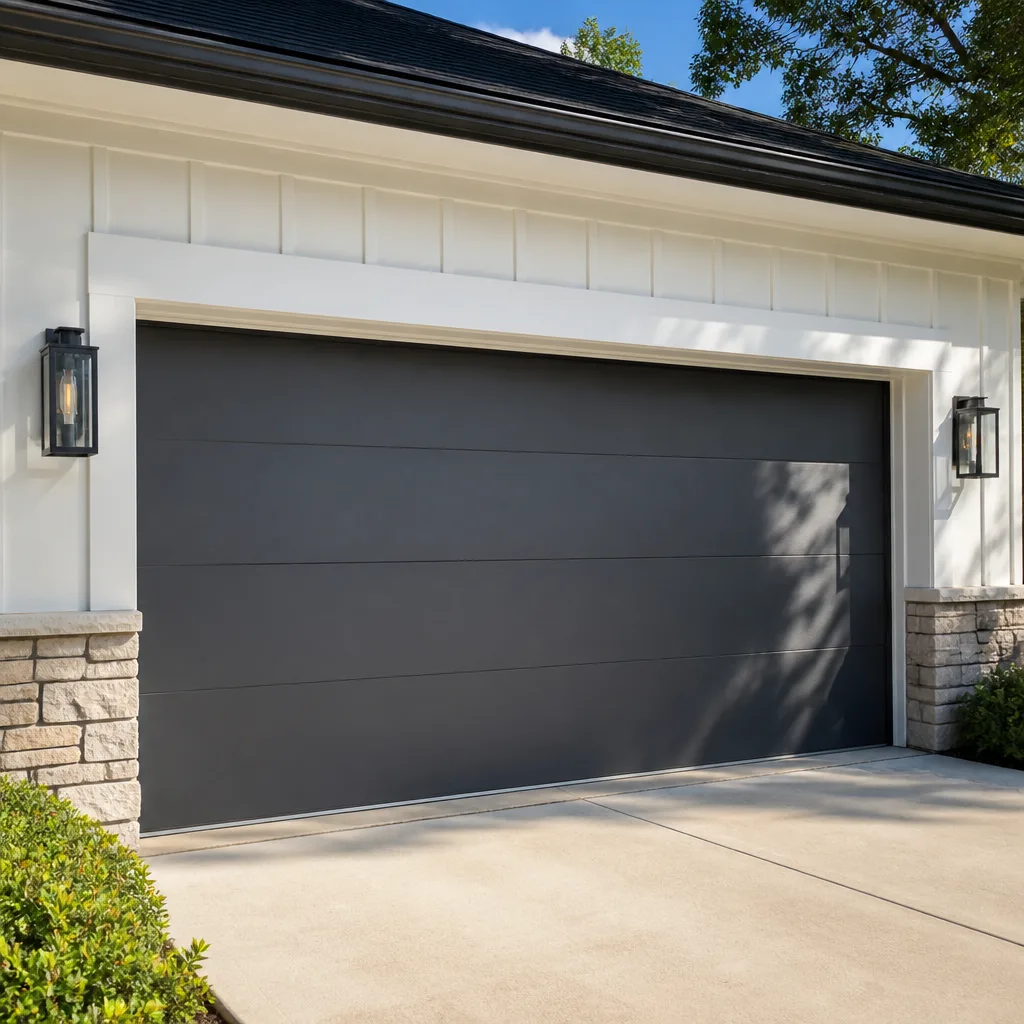 Modern flush
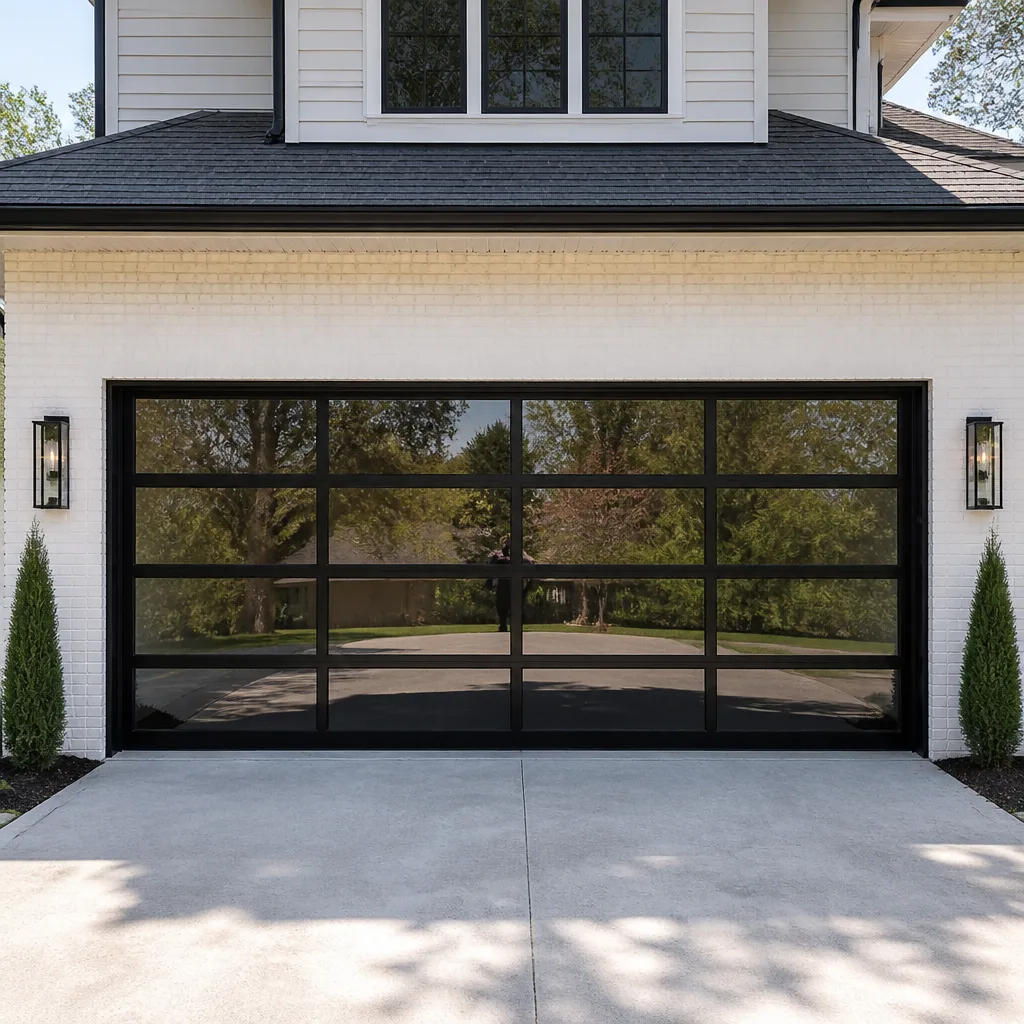 Full-view glass
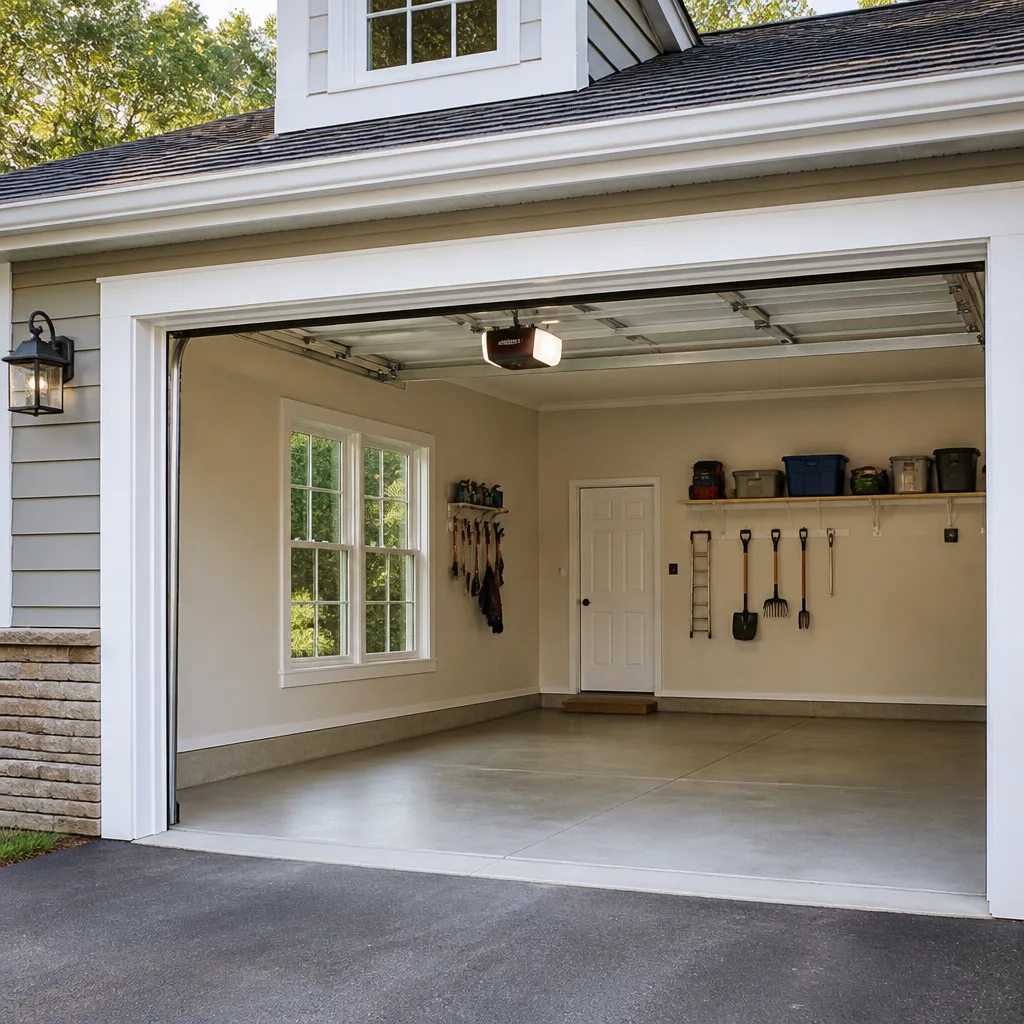 LiftMaster openers
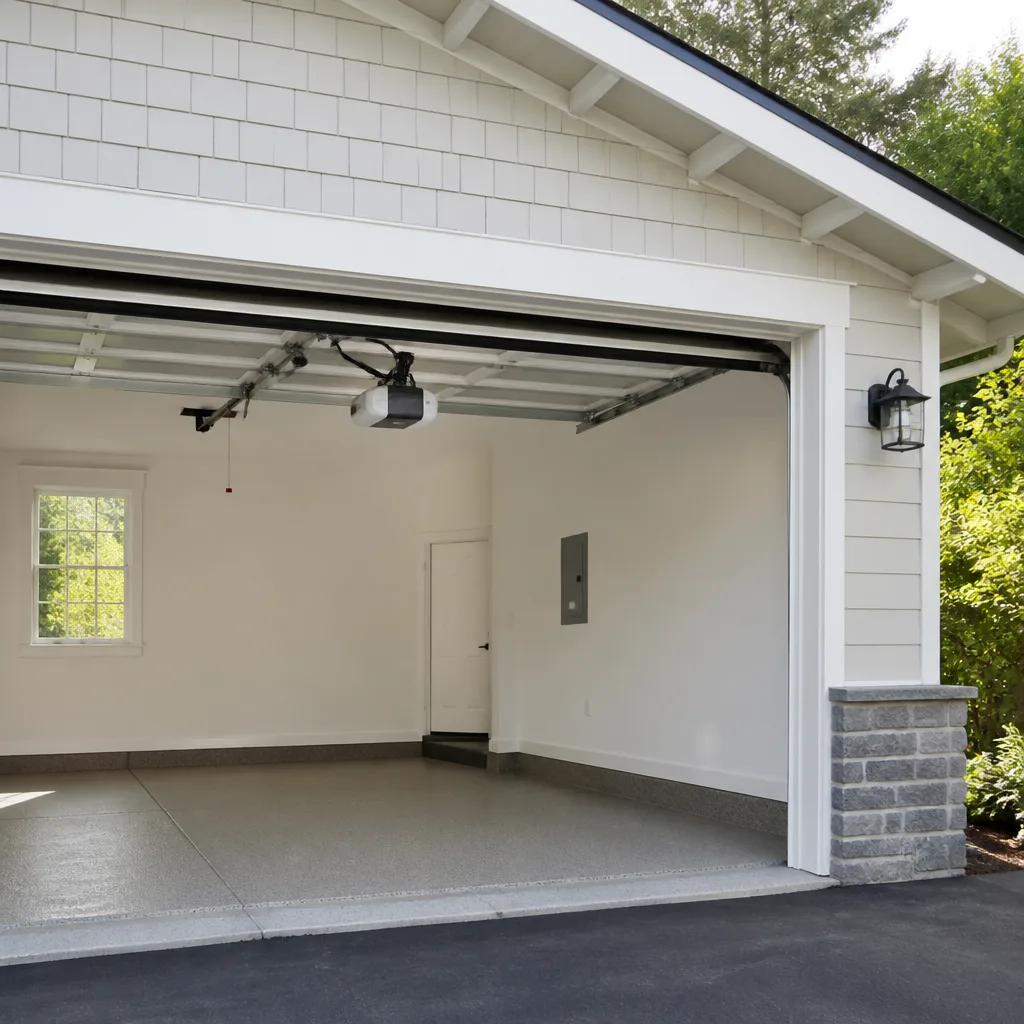 Chamberlain openers
Full 25-point door and opener safety check with every visit - springs, cables, rollers, tracks, and your LiftMaster or Chamberlain opener included
You get a price before we start. It does not change when the pro arrives.
Get your free estimateDIY vs Professional Garage Door: The Central Park Homeowner’s Decision Guide
Most garage door advice treats the DIY question as a single decision: either you fix it yourself or you call someone. That framing is wrong, and it costs Central Park homeowners either money or a trip to urgent care. A torsion spring stores enough energy to cause permanent injury if it releases while you’re near it. That’s not a legal disclaimer – it’s a physics statement. It also draws a clean line across the system: some tasks are genuinely safe for a careful homeowner, and some are not safe at any skill level without the right tools and training. This guide walks that line task by task, so you know exactly where your garage door stops being a weekend project in Central Park.
Styles & brands we work with
- Raised-panel steel
- Carriage house
- Modern flush
- Full-view glass
- LiftMaster openers
- Chamberlain openers
Quick Answer
Safe DIY garage door work includes lubrication, weather seal replacement, photo-eye sensor alignment, remote and keypad reprogramming, and roller replacement on extension-spring doors. Torsion spring replacement, cable replacement under tension, and track realignment on a door with broken hardware are professional-only jobs because the stored energy and tension in those parts can injure or kill. Anything still under manufacturer warranty should go to a pro to protect your coverage.
Table of Contents
- Why the Spring Is the Line You Don’t Cross
- The Safe DIY List: Tasks You Can Actually Do
- The Professional-Only List and the Mechanical Reason Why
- What DIY Does to Your Manufacturer Warranty
- The Honest Cost Comparison: Parts Markup vs Trade Pricing
- Central Park HOA and Permit Rules for Garage Door Work
- Why Brand Familiarity Changes the Repair
- Common Mistakes to Avoid
- When to Call a Professional
- Frequently Asked Questions
- The Bottom Line
Why the Spring Is the Line You Don’t Cross
A torsion spring is a coiled steel bar held under tension across the top of your door. Every time the door opens or closes, that spring releases and reabsorbs energy. On a standard residential door, the spring carries the full weight of the door plus the force of its own wind. When a spring is wound, you are working directly against that force. When a spring fails, a turn or two of a winding bar that slips can send metal across a garage in a fraction of a second.
Extension springs are a different design, mounted along the horizontal tracks, but the same principle applies: they’re under load, and a failed release is dangerous. Older extension-spring doors often had no safety containment, which is why modern replacement parts include a containment cable that runs through the spring so a break stays contained instead of flying. If your Central Park home has an older door without those cables, that’s a safety issue on its own worth addressing.
Here’s what that means for the DIY decision:
- Never wind, unwind or remove a torsion spring without proper winding bars and training. There is no safe shortcut with screwdrivers or vise grips.
- Never cut or loosen a cable under tension. The cable is what keeps the spring force from releasing all at once.
- Never try to lift a door with a broken spring manually to get your car out. A door with a failed spring can drop without warning.
- Leave any door held up only by a temporary prop alone. A prop on a door with compromised hardware can fail.
We say this plainly because spring repair is one of the most safety-critical jobs in the trade, and it’s also one of the most frequently mishandled. If your door jolts, hangs, feels suddenly heavy, or you hear a loud snap from the garage, stop using the door and treat it as a professional job. In Central Park, we see plenty of doors in active daily use where a spring is at the end of its life, and the failure can happen without much warning.
The Safe DIY List: Tasks You Can Actually Do
Plenty of garage door maintenance belongs in your own hands, and doing it yourself keeps the system quieter and safer without touching stored energy. These are the jobs we’d hand a capable homeowner without hesitation. Each is low-risk, needs only basic hand tools, and doesn’t involve springs, cables or tracks under tension.
- Lubrication. Use a garage-door-rated lubricant on the hinges, rollers and torsion spring (never grease on a spring – it collects grit). Work the door up and down a few times afterward so the lubricant spreads. Twice a year is plenty in Colorado’s dry climate.
- Weather seal replacement. The rubber or vinyl strip along the bottom of the door and the seals around the sides and top wear out and let in cold air, dust and pests. On most doors the bottom seal slides out of a channel and the replacement slides back in. This is a common Central Park job given how much the temperature swings between seasons.
- Photo-eye sensor alignment. If the door reverses for no reason or won’t close, the safety sensors near the floor are usually out of line or have a spider web or leaf in front of them. Wipe the lenses, check that both LED indicators are lit, and nudge each sensor until they line up. This is one of the most common “my door won’t close” calls, and it’s often a two-minute fix.
- Remote and keypad reprogramming. A remote that stops working after a battery change, or a keypad that needs a new code, can be reprogrammed from the opener’s learn button and manual. On a Genie or LiftMaster opener, the pairing procedure is a short button sequence.
- Roller replacement on extension-spring doors. With the door closed and the spring relaxed, worn steel or nylon rollers on a door with extension springs can be swapped with basic tools. On torsion-spring doors, don’t – the door needs to be properly supported first.
- Visual inspection. Look for frayed cables, bent hinges, cracked rollers, loose brackets and gaps between the door and the frame. Catching these early is what keeps small problems from becoming spring or track failures.
If a job on this list reveals something worse – a cable with broken strands, a hinge pulling loose from the door panel, or a track that’s visibly bent – stop and treat it as professional work rather than continuing.
The Professional-Only List and the Mechanical Reason Why
Some garage door repairs aren’t about difficulty. They’re about the mechanical reality that the part under load can hurt you the moment it releases. Here’s the short list of jobs that should always go to a trained technician, with the reason attached to each.
- Torsion spring replacement. The spring stores the door’s weight, and replacing it means winding and unwinding that stored energy with winding bars. The tools and technique matter more than the part. A technician carries the correct bars, sizes the spring to the door’s weight, and winds it to the right number of turns.
- Extension spring replacement. Less dangerous than torsion in the modern contained design, but still under tension and still a two-person job done right. Older uncontained springs are a higher risk.
- Cable replacement under tension. The cable transmits the spring force. Loosening one without releasing the tension first can snap it violently. On a door where a cable has already broken, the door is unsupported on one side and can drop.
- Track realignment on a door with broken hardware. A bent track plus a broken roller or hinge means the door is riding badly and can come off the track. Straightening track is only half the job – the underlying hardware has to be fixed or the door will bind again.
- Opener drive and gear failure. If your opener runs but the door doesn’t move, the problem can be the drive gear, belt, chain or the logic board. Diagnosis is the hard part, and it’s brand-specific.
Here’s the honest math: on a spring or cable job, the danger is real, and the tools alone – proper winding bars, correct spring sizing, a door-weight scale – cost more than the labor. If you’re facing a broken spring in Central Park, this is garage door repair territory, not a weekend project. We answer (877) 419-7757 around the clock, with fast dispatch from 7am to 7pm, Sunday through Friday.
What DIY Does to Your Manufacturer Warranty
Here’s a fact most DIY guides skip: working on a garage door still under manufacturer coverage can void parts and labor warranties, and the manufacturer’s language isn’t vague about it. Door manufacturers like Clopay, Amarr and Wayne Dalton write their warranty terms around proper professional installation and service. That means a homeowner who modifies or repairs a covered door can lose coverage on the parts they touch – and sometimes on related components.
Here’s how it usually plays out:
- Parts warranties on doors and openers typically cover defects, not field work. If a roller or hinge fails after you’ve swapped it yourself, the manufacturer can decline to cover the part.
- Labor warranties are even more sensitive. A labor warranty from a manufacturer or installer assumes trained service. Homeowner repairs usually end that coverage.
- Modification is the clearest void. Cutting a panel, drilling new mounting holes in a track, or changing the spring configuration on a covered door is the kind of change a warranty review will flag.
- Opener warranties follow the same pattern. A Genie or LiftMaster opener still under coverage should go to a technician for anything beyond a remote pairing or a code reset.
The practical rule for Central Park homeowners: if the door or opener is still within its manufacturer coverage window, have any repair beyond routine maintenance done by a professional who can document the work. It costs less than discovering a failed panel is out of warranty after you’ve already worked on it. And when the door genuinely needs replacement rather than repair, that’s a garage door installation decision made with a written estimate, not a DIY project.
The Honest Cost Comparison: Parts Markup vs Trade Pricing
The DIY cost argument is real for some jobs and a mirage for others. Where it works: a weather seal, a set of rollers, a remote, a can of garage-door lubricant. These are genuine savings, because the parts are cheap, the work is safe, and a pro’s labor on the same task is a bigger share of the bill than the part. Where it falls apart: springs, cables, and opener diagnosis. There, the DIY “savings” often get eaten by a wrong part, a second wrong part, and a door that sits broken for a week while you wait on a shipment.
The biggest hidden cost is the wrong-size part. Torsion springs are specified by wire gauge, inside diameter, and length, and all three have to match your door’s weight and height. Order the wrong one and it either won’t fit, won’t lift the door, or will wear out fast. A technician measures before ordering and carries the common sizes for the brands we service – Clopay, Amarr, Wayne Dalton and Raynor doors, and Genie, LiftMaster, Chamberlain and Craftsman openers – so the job doesn’t stall waiting on a shipment.
Here’s how the trade pricing compares, in general terms:
- Weather seal and lubricant: genuine savings, no downside.
- Roller replacement on an extension-spring door: a real saving if you’re comfortable with basic tools.
- Remote or keypad: a real saving, and often a five-minute job.
- Spring replacement: a technician’s price covers the correctly sized part, the winding, and the safety check. Doing it yourself risks the wrong part plus personal injury, and the risk dwarfs the savings.
- Cable replacement: similar story – the tension and the door weight make it a professional job, and the parts cost is a small share of the bill.
- Opener repair: the part is often cheap; the diagnosis is what you’re paying for, and a misdiagnosis buys you the wrong part.
If you’re comparing a DIY plan against a quote, price the job the way we do: the correct part, the right tools if you don’t own them, and the risk of a second attempt. For spring, cable or opener work in Central Park, the pro quote usually wins. For everything on the safe list, your own hands are fine.
Central Park HOA and Permit Rules for Garage Door Work
Central Park has its own design review culture, and garage door changes can fall under it. The practical version: replacing a door with a like-for-like model in the same color, material and style usually doesn’t require design approval, but a change in door style, color, window pattern or material can. Before you order a new door yourself, check with your HOA or the local design review authority about what documentation they want. It’s a phone call worth making before you pay a deposit.
On the permit side, most cities require a permit for structural changes to a garage opening – widening, heightening, or altering the header. A straight door swap on the same opening typically doesn’t need one, but rules vary, so ask your city’s building department what applies to your address. We don’t state the answer for a specific Central Park address because the rule depends on the work and the jurisdiction; the building department is the right call. What matters regardless of who does the work is documentation: keep the manufacturer spec sheet, the receipt, and any HOA approval with your home records.
The same applies to DIY repairs. If you replace a spring or a panel yourself, keep the part number, the source and the date. If you sell the home or make an insurance claim, that record is what a buyer or adjuster will ask for. A professional repair comes with a written record of what was done, which is one reason we recommend it on anything that touches the door’s structural hardware.
Why Brand Familiarity Changes the Repair
Garage doors and openers aren’t universal. A Clopay door’s track profile, a Wayne Dalton’s spring configuration and an Amarr’s panel attachment differ, and so do the openers: a Genie’s drive system doesn’t diagnose like a LiftMaster’s. That brand-specific knowledge is the difference between a technician who arrives knowing your system and one who’s learning on your door. In our experience, the second visit is where a wrong-brand guess shows up as a second charge.
Parts availability is the other half. A repair that stalls waiting on a shipment is a week of a broken door. We stock parts for the major brands we service – door components for Clopay, Amarr, Wayne Dalton and Raynor, and opener parts for LiftMaster, Chamberlain, Genie and Craftsman – so the job doesn’t wait on a delivery. If you already know your brand, tell us when you call. If you don’t, the opener’s label and the door’s sticker are usually enough to identify it, and we’ll figure it out from there.
For opener-specific problems – a door that opens but won’t close, a wall button that works while the remote doesn’t, a motor that hums without moving the door – that’s garage door opener repair, and the brand matters to the diagnosis more than it does to any other repair on the system.
Common Mistakes to Avoid
- Forcing a door with a broken spring. If the door feels heavy or won’t lift, do not pull it open manually. That door is unsupported and can drop on you or your car.
- Buying a torsion spring by eyeballing the old one. Wire gauge, inside diameter and length all have to match, and a wrong size either won’t lift the door or fails early. Measure against the door’s weight, not the old spring’s appearance.
- Disconnecting the opener to “test” the door and walking away. A door on manual release with a failing spring can fall while the opener is disconnected. Reconnect it properly before leaving it.
- Oiling the tracks. Lubricant on the tracks attracts grit and makes rollers slip. Lubricate hinges and rollers; wipe the tracks clean and dry instead.
- Ignoring a bent track after a bumper bump. A slightly bent track wears rollers until the door jumps the track entirely. Straightening it early is cheaper than replacing the door’s hardware later.
- Replacing a door without checking HOA and city requirements first. A style or color change can need design approval, and a structural change can need a permit. Check before you order in Central Park.
- DIY on a door still under manufacturer warranty. Working on a covered door can void parts and labor coverage, which is a bigger cost than the repair itself.
When to Call a Professional
Call a professional when the problem involves a spring, a cable under tension, a bent track, or a door that won’t stay up. Call when your opener runs but the door doesn’t move, or when the door reverses for no reason you can see. Call when the door is still under manufacturer warranty, or when your HOA or city requires documentation for the work. And call when you’ve started a job and found something worse than you expected – a frayed cable, a pulling hinge, a cracked panel.
Garage Door Repair Central Park offers free estimates in Central Park and quotes the price before any work starts, so you know the number before the wrench comes out. Call (877) 419-7757. We answer 24/7, with fast dispatch from 7am to 7pm, Sunday through Friday. For repair and spring work, same-day service is often possible; for a new door, we’ll measure and give you a written price instead of promising a timeline that depends on the part.
Frequently Asked Questions
No – torsion and extension springs are under enough load to cause serious injury if they release, so spring replacement should always be done by a trained technician with proper winding bars and correct spring sizing. There’s no safe shortcut, and a wrong-size spring either won’t lift the door or fails early. Call (877) 419-7757 for spring repair in Central Park – estimates are free.
Lubrication, weather seal replacement, photo-eye sensor alignment, remote and keypad reprogramming, roller replacement on extension-spring doors, and visual inspections are all safe for a careful homeowner. Each is low-risk, needs basic hand tools, and doesn’t involve springs, cables or tracks under tension. Anything that touches the spring, cable or a bent track is professional work.
It can – door manufacturers like Clopay, Amarr and Wayne Dalton write their parts and labor warranties around proper professional service, so homeowner repairs or modifications on a covered door can end coverage on the parts you touch. If your door or opener is still within its manufacturer warranty, have any repair beyond routine maintenance done by a professional. Call (877) 419-7757 for a free estimate.
Spring pricing depends on the door’s size and weight, the spring type and the brand, and the price is set per job by a written estimate before any work starts. We quote the range after measuring, so you’re never surprised by the invoice. Call (877) 419-7757 for an exact quote – estimates are free.
Often yes – a door stuck open or a spring failure is a repair emergency, and same-day service is frequently possible in Central Park with fast dispatch from 7am to 7pm, Sunday through Friday. We answer 24/7; a call outside dispatch hours is booked into the next opening. Call (877) 419-7757 and we’ll give you a window.
A like-for-like door swap usually doesn’t require design approval, but a change in style, color, window pattern or material can, and structural changes to the opening often need a city permit. Check with your HOA and the city’s building department before you order, and keep the approval with your home records regardless of who does the work. Call (877) 419-7757 if you’d like to talk through the scope first.
The Bottom Line
The DIY line on a garage door sits at stored energy. Lubrication, seals, sensors, remotes, rollers on an extension-spring door and visual checks are yours to handle, and they’re worth doing twice a year. Springs, cables under tension, bent tracks and opener diagnosis belong to a trained technician, because the part that can hurt you is the part under load, and the wrong part costs more than the labor. If the door is still under manufacturer warranty, the pro call protects your coverage. For anything on the professional side of the line in Central Park, we’ll measure, quote the job in writing before work starts, and get it fixed. Garage Door Repair Central Park handles repair, spring work, opener repair, parts and new doors from one specialist, with technicians who have up to 12 years of experience and parts on hand for the major brands.
Call (877) 419-7757 for a free estimate. We answer 24/7, with fast dispatch from 7am to 7pm, Sunday through Friday.
Written by the team at Garage Door Repair Central Park.
See the difference
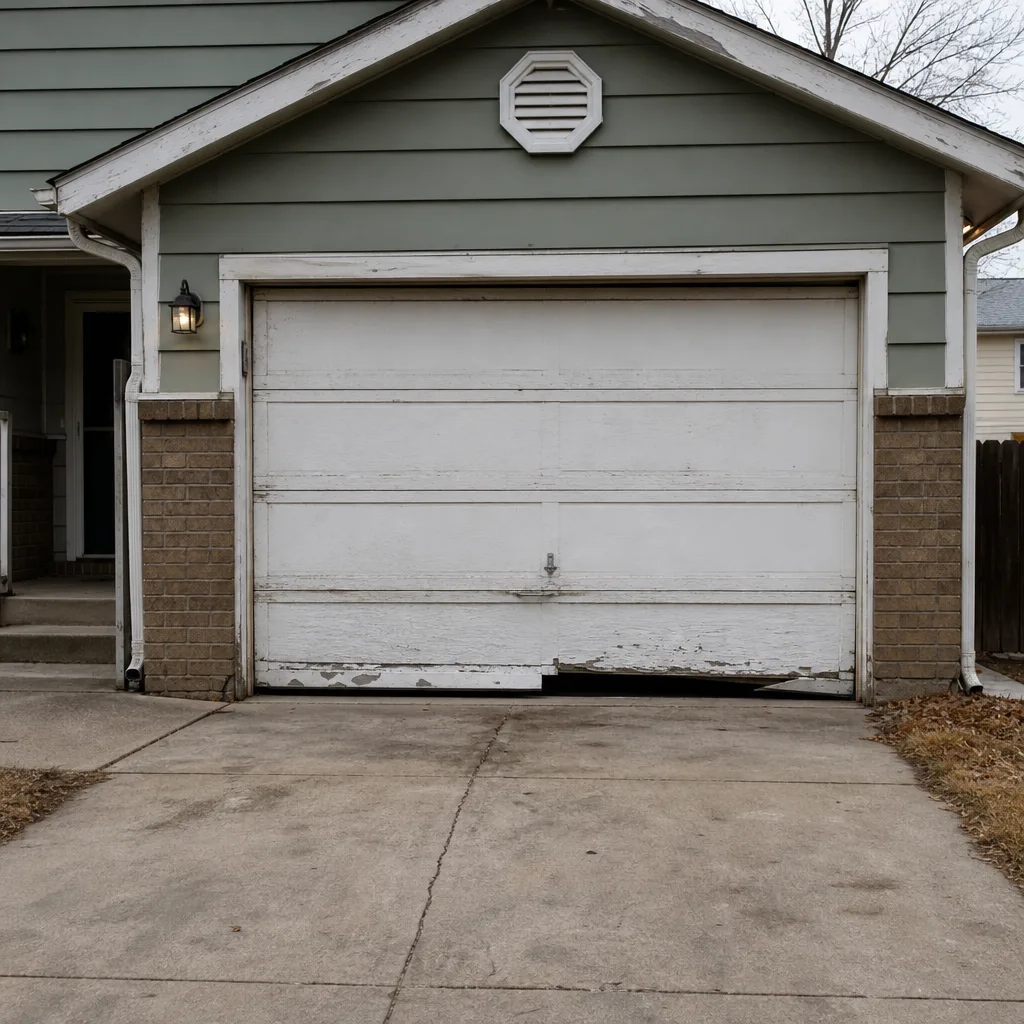 Before
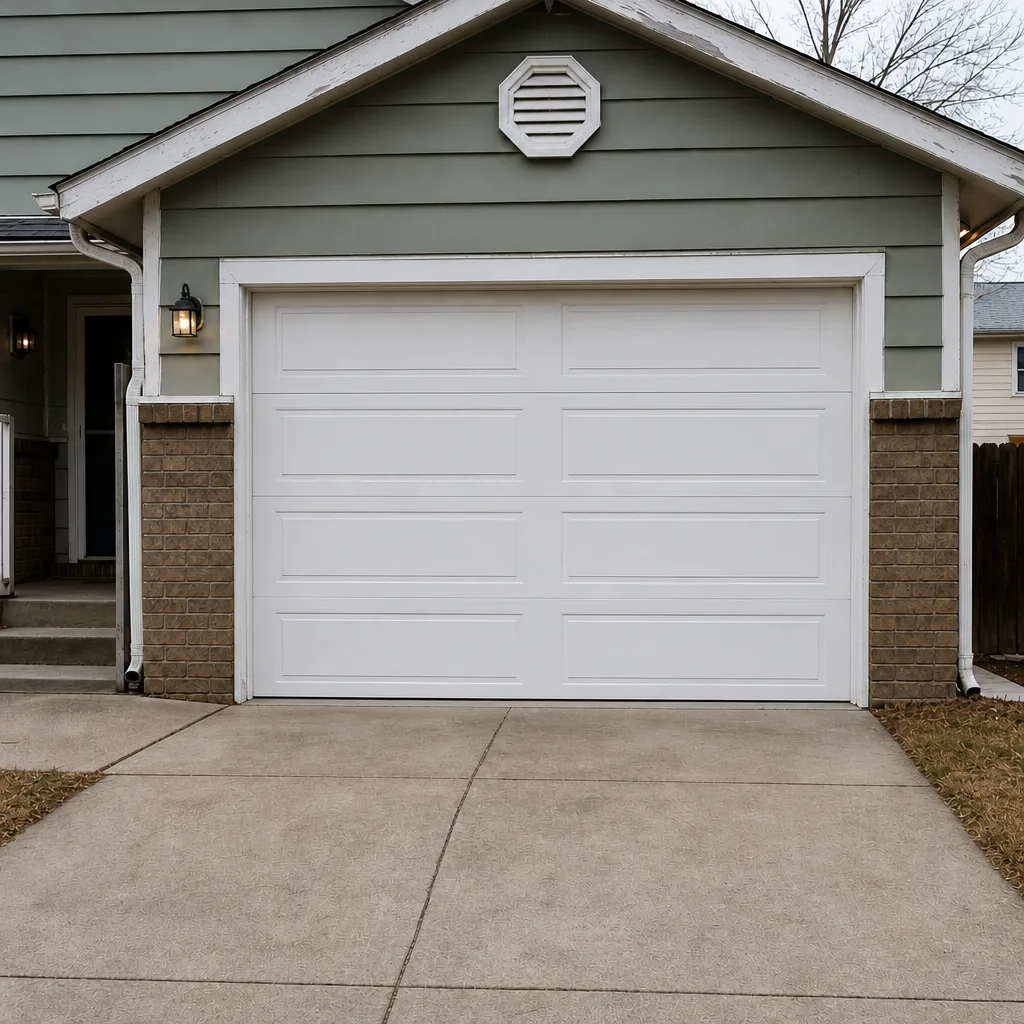 After
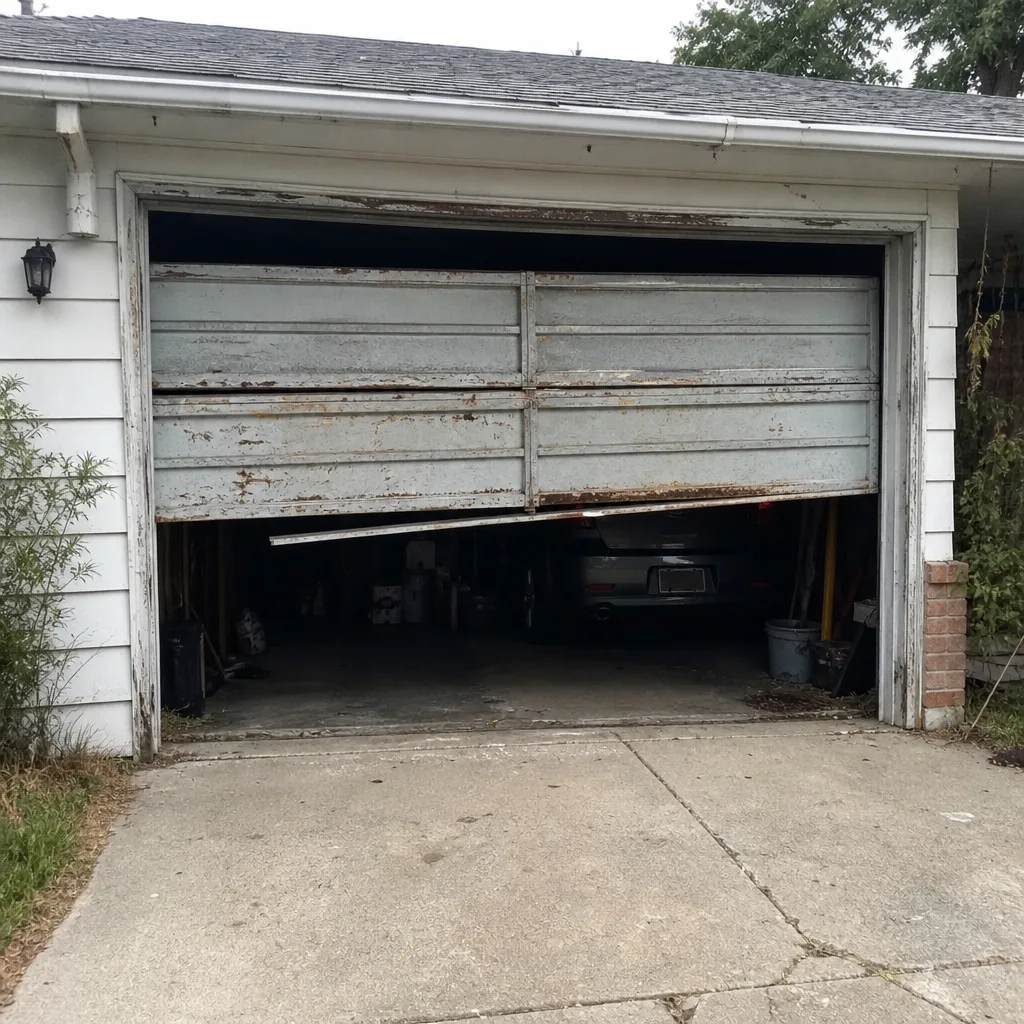 Before
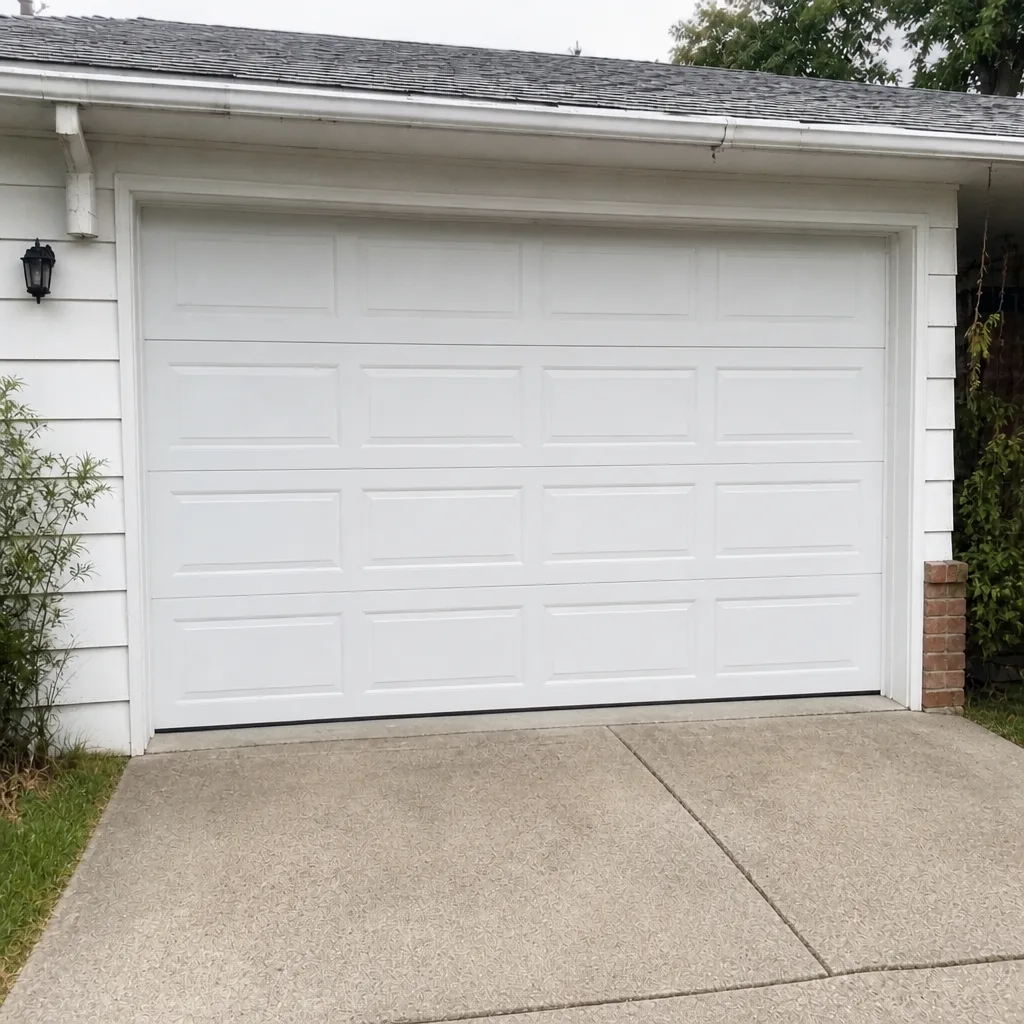 After
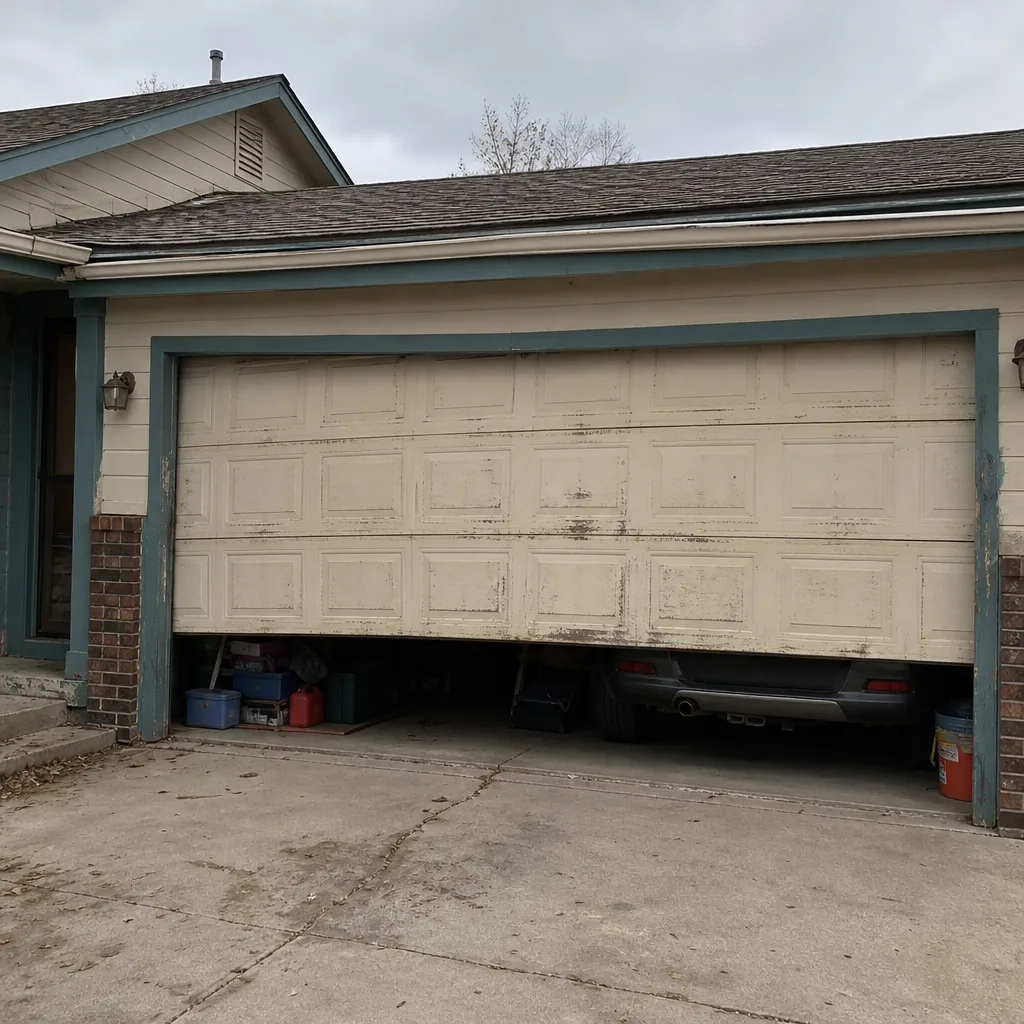 Before
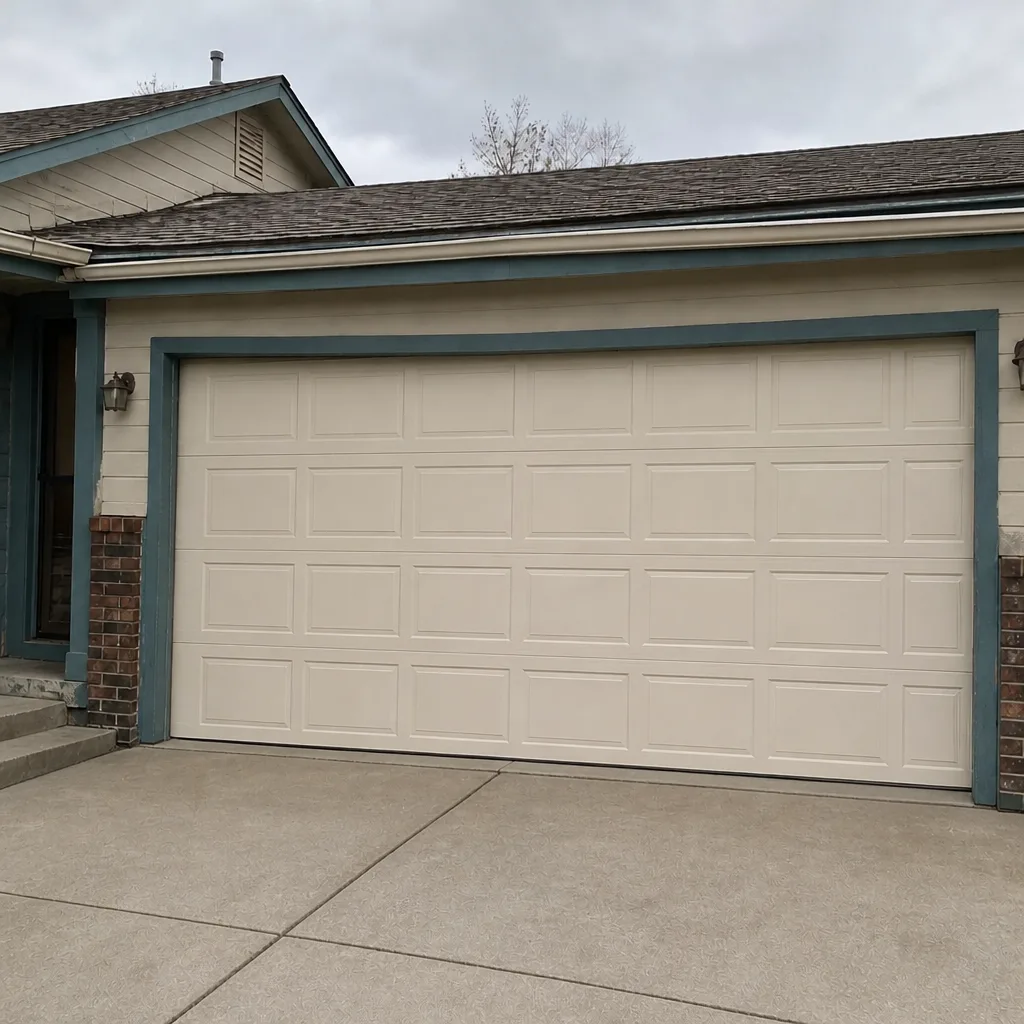 After