
Last updated November 22, 2026
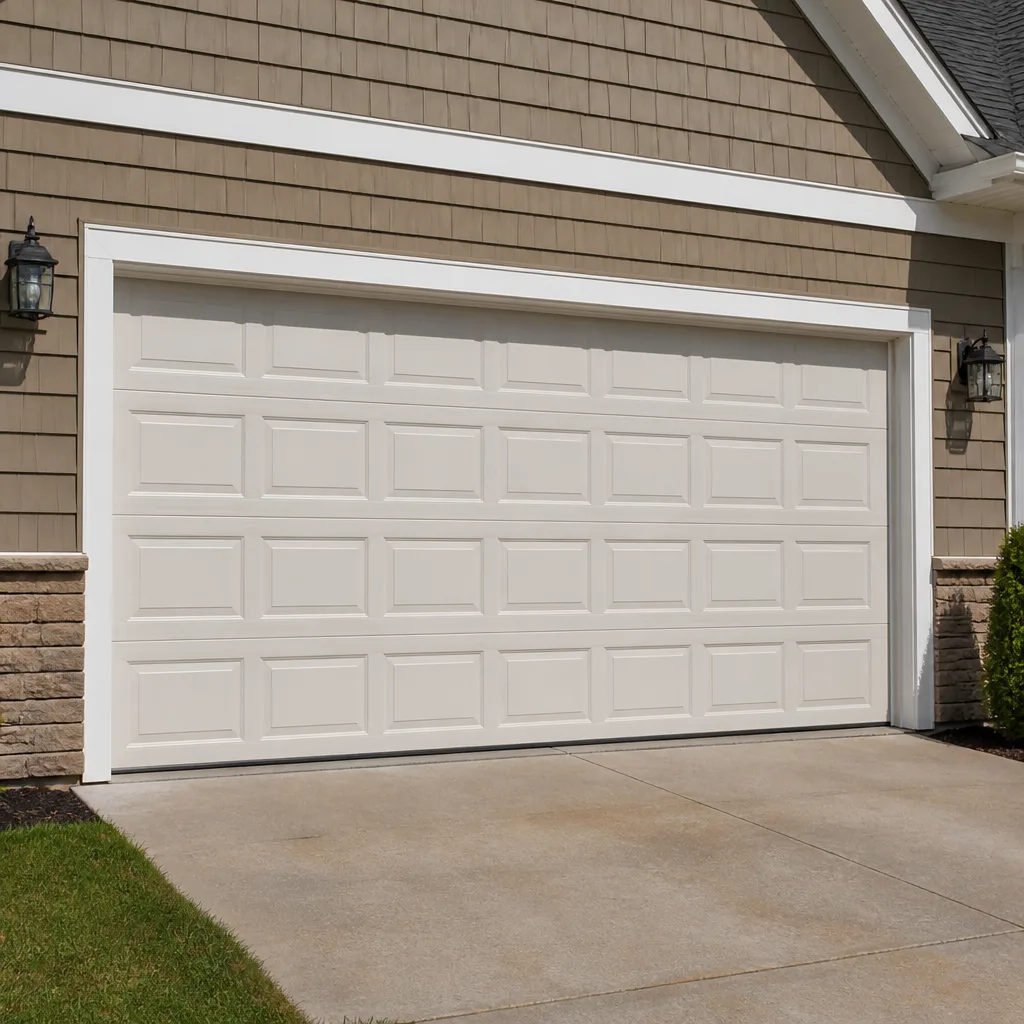 Raised-panel steel
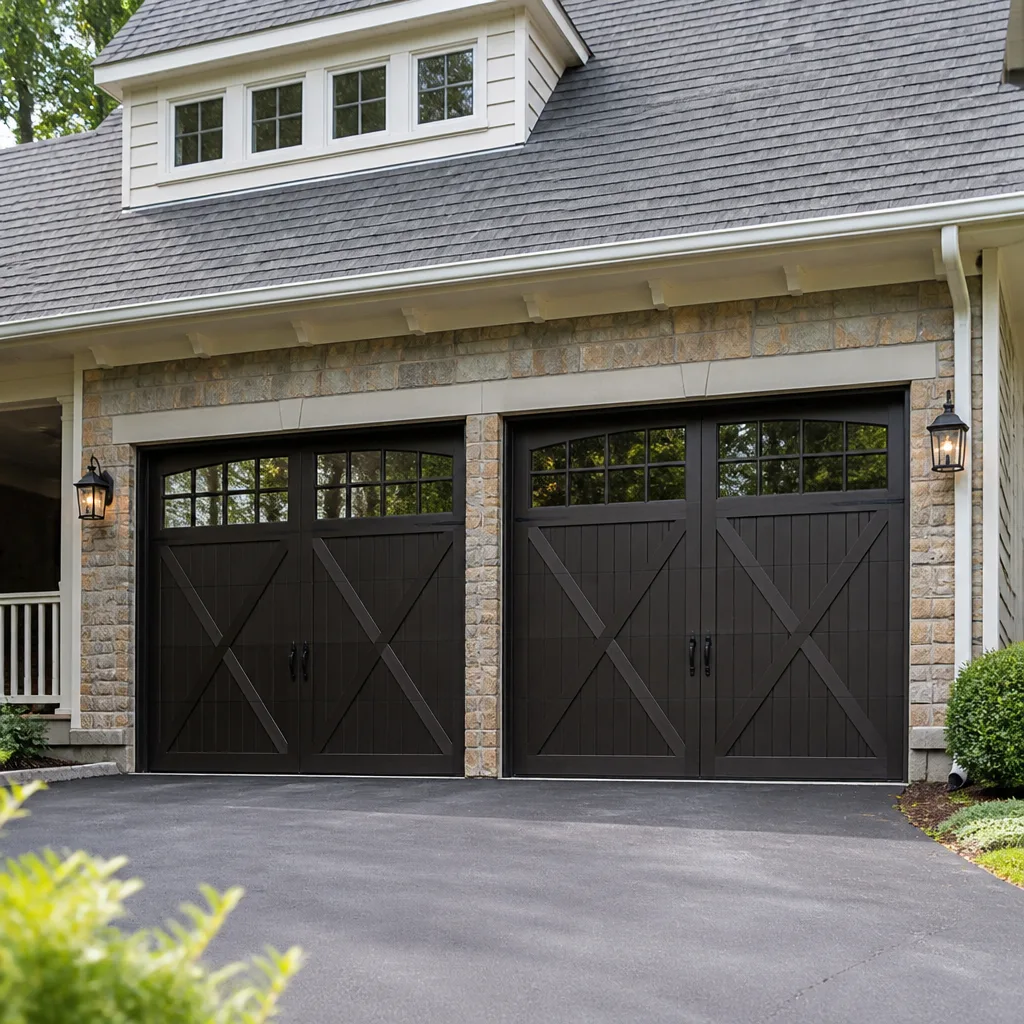 Carriage house
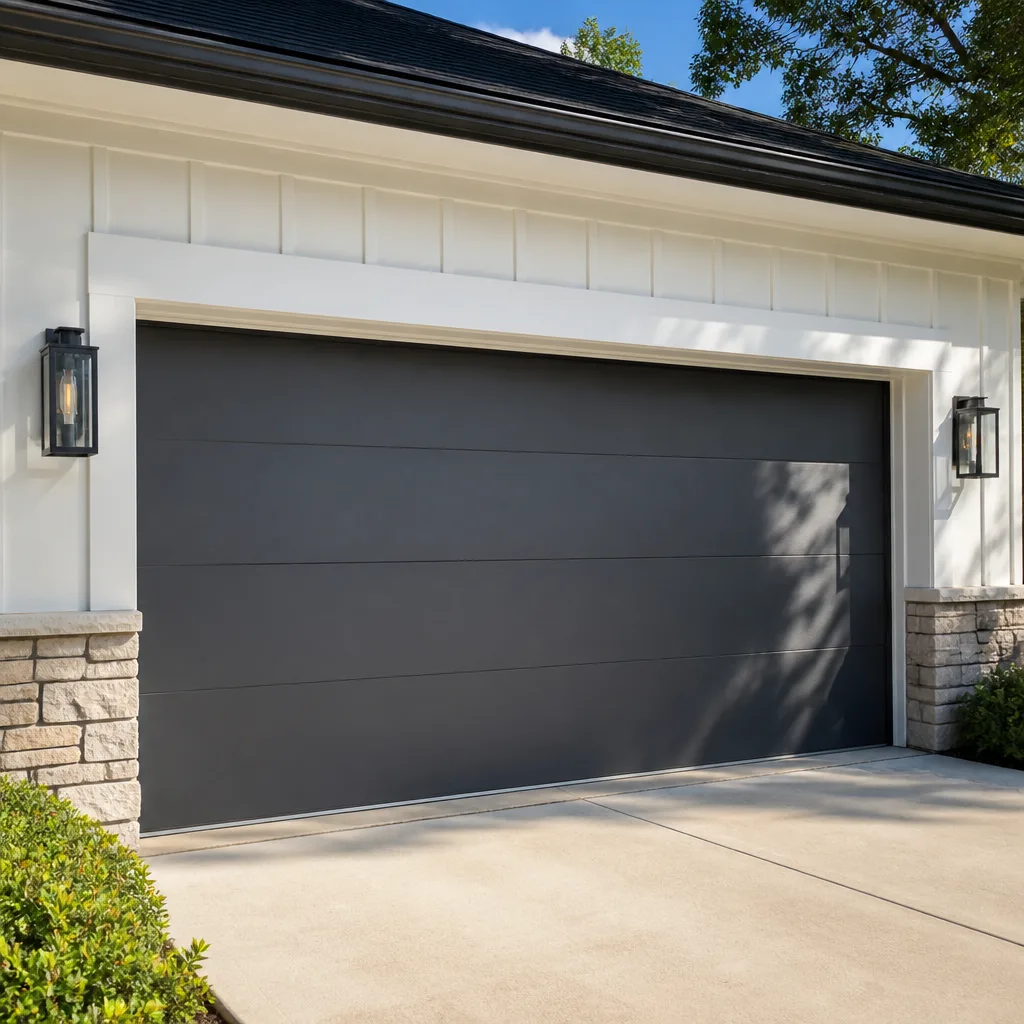 Modern flush
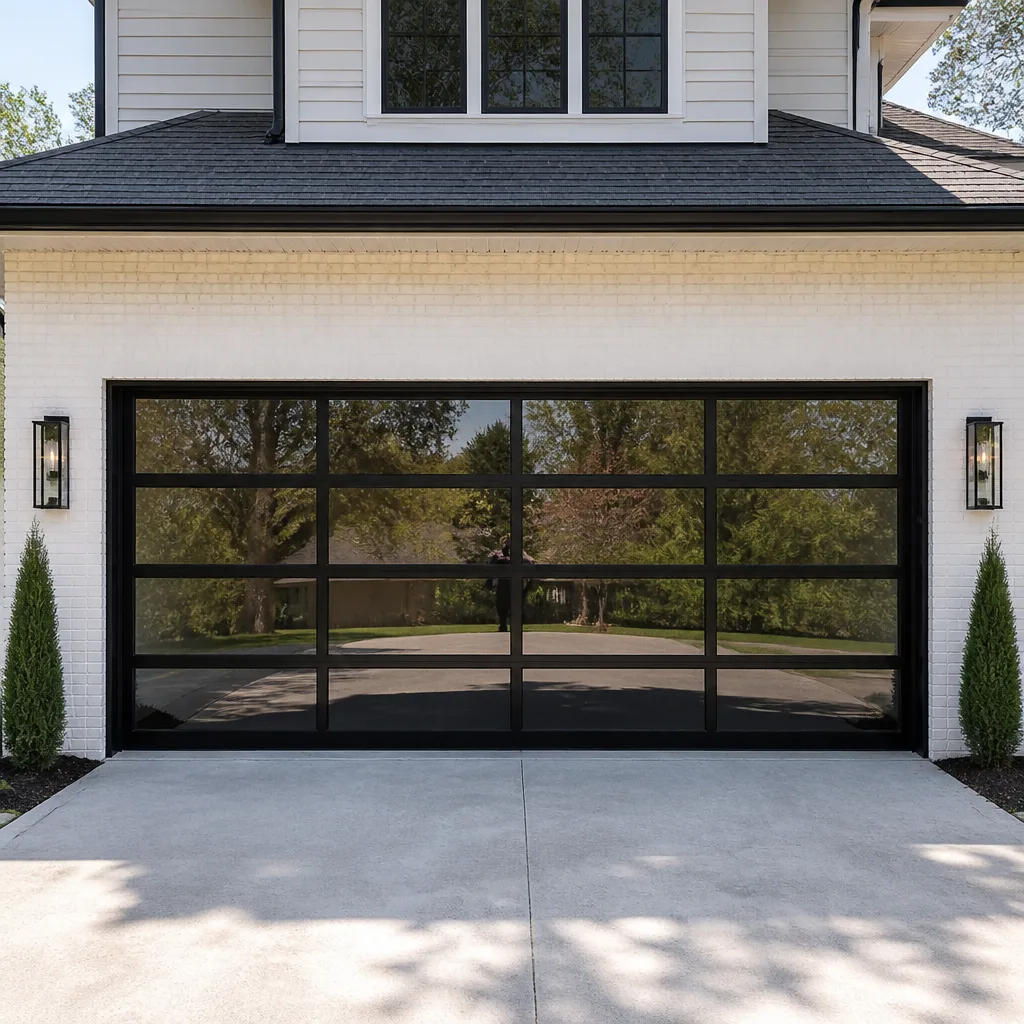 Full-view glass
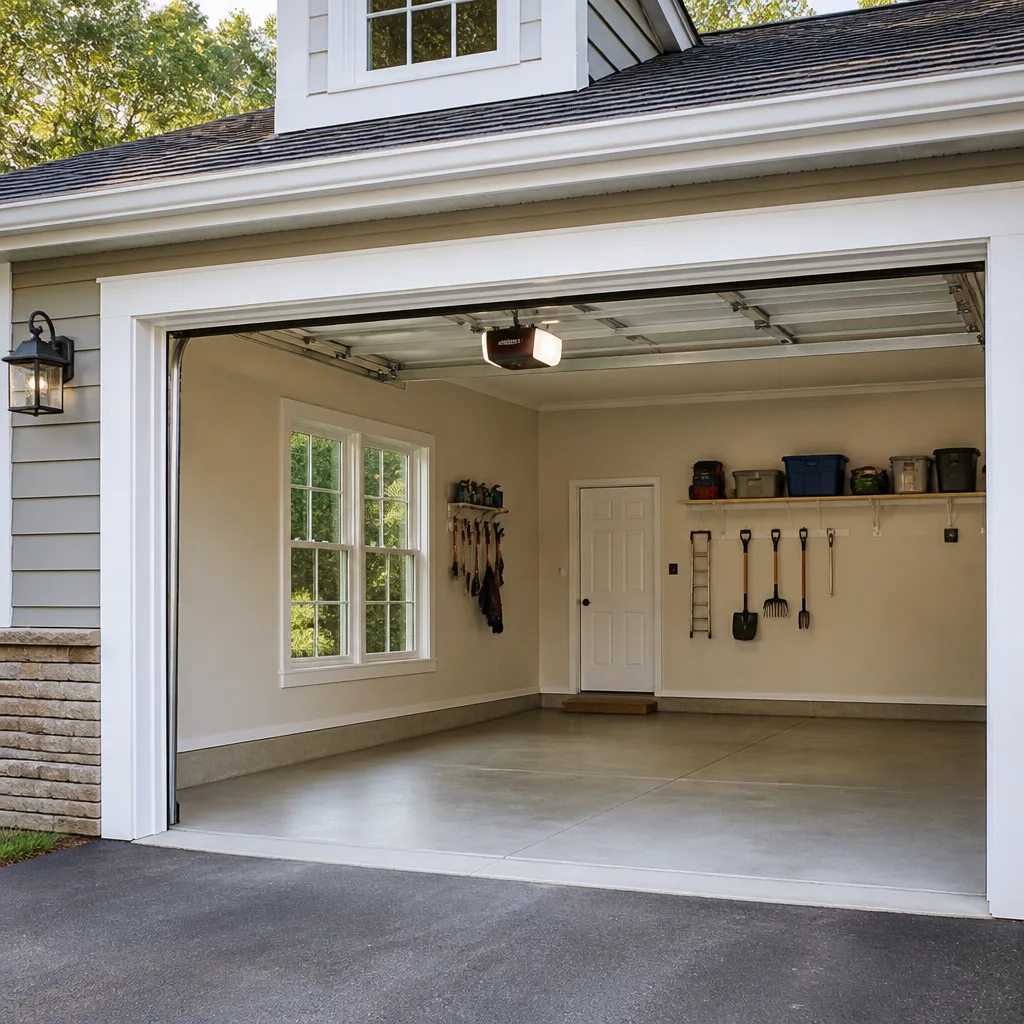 LiftMaster openers
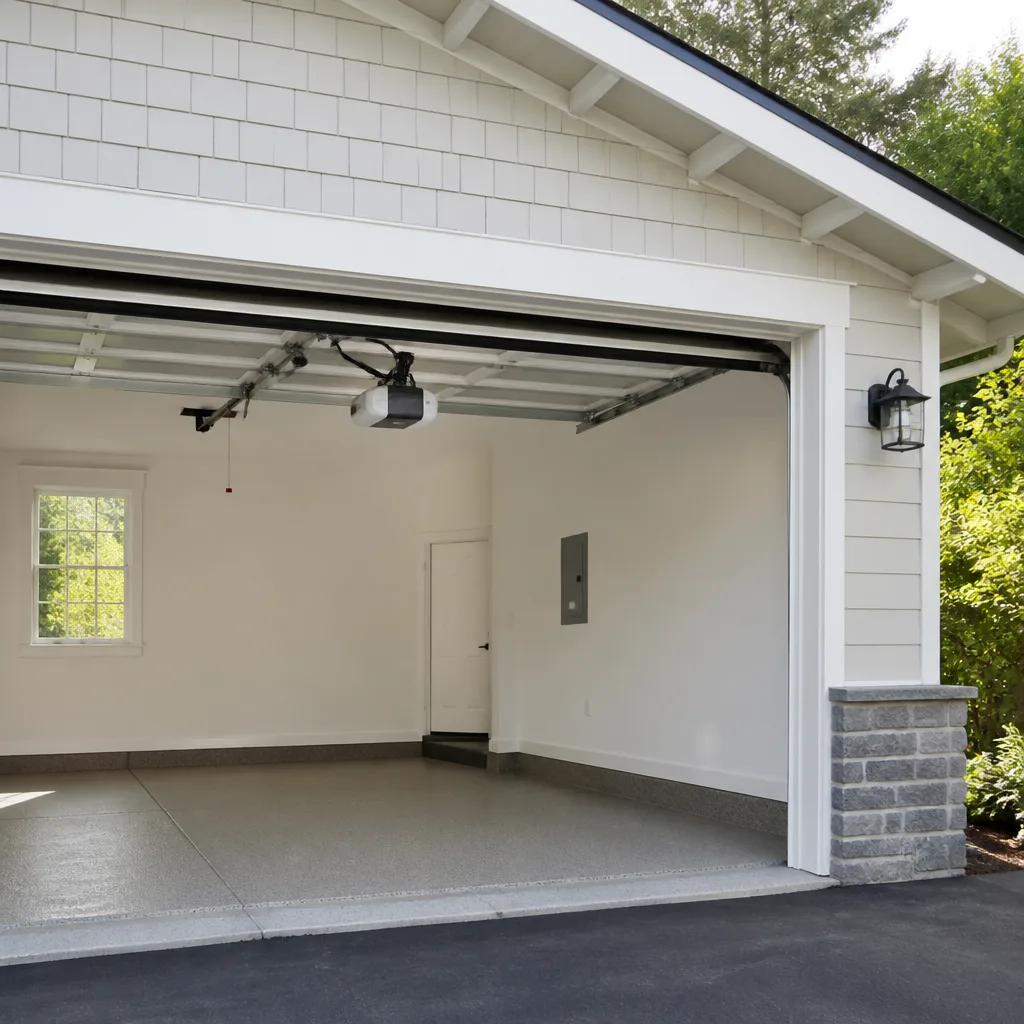 Chamberlain openers
Full 25-point door and opener safety check with every visit - springs, cables, rollers, tracks, and your LiftMaster or Chamberlain opener included
You get a price before we start. It does not change when the pro arrives.
Get your free estimateChoosing the Right Garage Door Brand: A Buyer’s Guide for Central Park
Most buyers pick a garage door brand the way they pick a kitchen appliance: a quick scan of a national “best of” list, a nod at the price, and a decision. That approach falls apart the moment something breaks. A brand is only as good as the local dealer and parts network standing behind it. Choose a door nobody in the Denver metro can service and you inherit a warranty that reads well on paper but stalls in practice. This guide breaks down how to weigh Clopay, Amarr, Wayne Dalton, and the other major names against the criteria that actually matter for a Central Park home: insulation performance at altitude, HOA design review, wind load, finish durability under intense UV, and the parts reality behind each brand.
Quick Answer
The best garage door brand for a Central Park home is the one with a certified local dealer, stocked parts in the Denver metro, an insulation R-value suited to Colorado temperature swings, and a product line that already passes the community’s design review. For most Central Park homeowners that points to a Clopay, Amarr, or Wayne Dalton steel or carriage-house line paired with a LiftMaster or Chamberlain opener. Brand reputation matters, but local serviceability matters more.
Styles & brands we work with
- Raised-panel steel
- Carriage house
- Modern flush
- Full-view glass
- LiftMaster openers
- Chamberlain openers
Table of Contents
- Why Brand Choice Matters More in Central Park Than You’d Think
- The Five Criteria That Actually Matter in Colorado
- Head-to-Head: Clopay, Amarr, Wayne Dalton, CHI, and Doorlink
- HOA Compliance: Which Lines Pass Central Park Design Review
- Parts and Dealer Network Reality in the Denver Metro
- Pairing Your Door Brand With the Right Opener
- Warranty Terms Decoded: Panels vs. Finish
- Choosing an Installer, Not Just a Brand
Why Brand Choice Matters More in Central Park Than You’d Think
Central Park sits at roughly 5,280 feet in the Denver metro, and that altitude changes how a garage door lives. The sun here is intense, the temperature swings between winter cold snaps and summer afternoons are wide, and hail is a seasonal reality. A door that performs fine in a mild coastal market can fade, warp, or lose seal integrity faster here. Brand matters because the engineering behind the panel finish, the insulation core, and the hardware quality is what determines how a door handles those conditions over ten or fifteen years.
There’s a second reason brand choice carries extra weight in Central Park specifically. The community has a design review process with architectural standards, and the neighborhoods within it – from the townhomes near the recreation center to the single-family homes along the greenways – tend toward a cohesive look. Picking a brand and product line that already clears that review saves you a variance request and weeks of waiting. Picking one that doesn’t can mean a rejected submittal and a door you can’t install.
And then there’s the practical reality of service. A garage door is a mechanical system with springs, cables, rollers, hinges, and a track. Components wear out. When they do, you want a brand whose parts are a phone call away in the Denver metro, not a factory order that leaves your car stranded in the driveway for a week.
What you’ll learn in this guide
- How to compare brands on insulation R-value, wind load, and finish durability for the Colorado climate.
- Which product lines most often pass Central Park design review without a variance.
- How the dealer and parts network in the Denver metro affects repair timelines.
- Why matching your door brand to your opener brand matters for safety and smart integration.
- What “lifetime warranty” actually covers, and what it doesn’t.
When you’re ready to talk specifics about your home, our team at Garage Door Repair Central Park can walk you through what fits.
The Five Criteria That Actually Matter in Colorado
National brand rankings usually weigh aesthetics, price, and a generic “reliability” score. Those matter, but they miss the factors that determine whether a door holds up in Central Park’s climate and community standards. Here are the five criteria that should drive your decision.
1. Insulation R-value
Insulation is the difference between an attached garage that stays temperate and one that turns into a heat sink in summer and a cold box in winter. In Central Park, where garages often share walls with living space or sit under bedrooms, insulation affects your energy bill and comfort. Insulated doors carry an R-value rating. Ask the dealer what the R-value is for the specific model, not the brand’s flagship. Entry-level steel doors may be uninsulated or lightly insulated; premium lines use polyurethane or polystyrene cores with higher ratings. For a conditioned or semi-conditioned garage, higher R-value is worth the upgrade.
2. Wind load rating
Colorado’s Front Range produces strong wind events, and garage doors are among the largest openings in a home’s envelope. Wind load ratings indicate how much pressure a door can withstand. This isn’t just a structural concern for the door itself; it’s about the reinforcement struts, hinges, and track anchoring. Ask whether the door model you’re considering is available with a wind-load reinforcement package, and whether the installer will spec heavier-gauge track and struts for a high-wind location.
3. Finish durability under UV and altitude
The sun at altitude is unforgiving. Non-insulated steel doors with thin factory paint can fade, chalk, or develop surface rust where the finish is compromised. Brands differ in how they prep and coat steel: some use a multi-layer paint system with a baked-on finish, others rely on a single coat. Wood and wood-composite doors need more maintenance under Colorado sun. If you want low maintenance, look at steel or aluminum with a premium factory finish.
4. HOA and design review compliance
Central Park’s architectural standards favor certain looks: carriage-house styling, raised-panel designs, muted color palettes. Some brands and product lines are already approved or commonly accepted; others require a variance. This is a local-knowledge question more than a brand question, so ask an installer who works in the community regularly.
5. Parts availability and dealer network
This is the criterion most buyers ignore and most regret later. A brand with strong distribution in the Denver metro means replacement springs, rollers, hinges, and opener parts are close at hand. A brand with thin local coverage means factory orders and longer repair timelines. When you’re comparing brands, ask the installer where parts come from and how long a typical repair part takes to arrive.
Head-to-Head: Clopay, Amarr, Wayne Dalton, CHI, and Doorlink
These five names come up most often in Central Park garage door conversations. Each has strengths, and none is universally best. Here’s how they compare on the criteria that matter.
Clopay
Clopay is one of the largest residential door manufacturers, and its lineup spans from entry-level steel to insulated carriage-house designs. Across the Front Range, Clopay has wide distribution, which means parts and warranty service are generally accessible. Their insulated steel lines are a strong fit for Central Park’s climate. If you want a broad range of styles with proven local serviceability, Clopay is a safe anchor brand.
Amarr
Amarr builds a solid lineup of steel and composite doors, with particular strength in carriage-house and traditional raised-panel styles that fit Central Park’s architectural character. Insulation options are competitive. Amarr’s dealer network in Colorado is healthy, and parts availability is generally reliable. If design-review compliance is your priority, Amarr’s style catalog is worth a close look.
Wayne Dalton
Wayne Dalton has a long history in residential doors and offers insulated steel and carriage-house lines. Distribution in the Denver metro is solid, and their hardware is widely supported. Where Wayne Dalton stands out is consistency: the doors are straightforward to service, and replacement parts are common. That serviceability is an underrated advantage when a spring or roller needs replacement.
CHI
CHI is a smaller manufacturer with a reputation for value and customization. Their doors can be a fit for homeowners who want specific sizing or styling without paying premium-brand prices. The tradeoff is distribution: CHI coverage is thinner in some markets, so parts availability can be slower. Confirm with your installer how CHI parts are sourced locally before committing.
Doorlink
Doorlink is a value-oriented brand popular in the Front Range. Their steel doors offer competitive pricing and decent insulation options. Like CHI, Doorlink’s distribution is less universal than the major names, so serviceability depends on your installer’s supplier relationships. For a straightforward insulated steel door, Doorlink is worth pricing.
Comparison summary
- Broadest distribution and parts availability: Clopay, Amarr, Wayne Dalton
- Strongest style match for Central Park design review: Amarr, Clopay carriage-house lines
- Best value pricing: CHI, Doorlink
- Most consistent serviceability: Clopay, Wayne Dalton
- Best-insulated options: Clopay premium lines, Amarr insulated steel
If you’re leaning toward a brand and want to know what installation actually involves, we cover the full process on our garage door installation page.
HOA Compliance: Which Lines Pass Central Park Design Review
Central Park’s architectural guidelines exist to keep the community’s look cohesive, and garage doors are among the visible features covered by those standards. The safest path is to choose a door style that’s already common in the neighborhood and let your installer confirm the submittal before ordering. Here’s how the major styles stack up.
Carriage-house doors
Carriage-house styles – the ones with decorative hardware and a swing-out appearance – are widely accepted in Central Park’s design review because they fit the community’s architectural character. Clopay and Amarr both offer strong carriage-house lines. If you’re replacing a door and want the easiest path through review, a carriage-house style in a muted color is a safe choice.
Traditional raised-panel steel doors
Raised-panel steel doors are the most common residential style overall and are generally accepted in Central Park. Style and color matter more than brand here; a standard raised-panel design in an approved color palette should clear review. Wayne Dalton and Clopay cover this category well.
Modern and flush-panel doors
Modern, flush-panel, or glass-enhanced doors can be a harder fit in Central Park depending on the specific sub-community and its architectural standards. If you’re drawn to a modern look, confirm compliance before ordering. Some neighborhoods within Central Park lean more contemporary than others, so the answer isn’t uniform.
What to do before ordering
- Pull the design guidelines for your specific sub-community within Central Park.
- Ask your installer for the exact model numbers and color codes of the door you’ve chosen.
- Submit the design review request with manufacturer spec sheets, which most installers can provide.
- Wait for approval before placing the order.
- Keep the approved submittal on file for future reference.
The most common mistake we see is ordering a door and then submitting for review. If the review rejects the style, you’re stuck with a special-order door that doesn’t fit the guidelines. Review first, order second.
Parts and Dealer Network Reality in the Denver Metro
Here’s the part national “best brand” lists never mention: the brand on your door is only half the equation. The other half is who can service it when a spring snaps or an opener fails. In the Denver metro, parts availability varies dramatically by brand, and that variance directly drives how long you’re waiting for a repair.
Stocked local parts versus factory orders
The major brands – Clopay, Amarr, Wayne Dalton – have broad dealer networks in the Front Range, which means replacement springs, rollers, hinges, and opener components are generally close at hand. Smaller or value brands may require factory orders for certain parts, which can extend timelines significantly. Before you buy, ask a simple question: if a hinge or roller fails in two years, where does the replacement come from?
Why this matters for repair timelines
A garage door left inoperable is a practical problem. You can’t park inside, the security of the home is reduced, and if the door is stuck open or half-closed it becomes a safety concern. Most routine repairs – a roller, a hinge, a sensor – are quick when the part is on a shelf nearby. When the part has to ship, the timeline stretches. Brands with strong local distribution shorten that timeline.
Dealer certification and warranty service
Many manufacturers tie warranty service to certified dealers. If your door brand has no certified dealer nearby, warranty claims can become a paperwork exercise rather than a repair. Before committing to a brand, confirm that a certified dealer serves the Denver metro and can handle warranty work.
We carry and sell garage door parts directly, so a routine repair doesn’t stall waiting on a shipment. Our technicians work on LiftMaster, Chamberlain, Genie, Clopay, Amarr, Wayne Dalton, Craftsman, and Raynor systems, and they arrive already familiar with the system in your garage. For brands and services we cover, see our garage door repair page.
Pairing Your Door Brand With the Right Opener
The door and the opener are two halves of one system, and they need to work together. A heavy insulated door paired with an undersized opener strains the motor and shortens its life. A smart-home integration that doesn’t match the opener brand creates headaches. Here’s how to think about pairing.
Match opener capacity to door weight
Insulated doors weigh more than uninsulated ones, and a heavier door needs an opener rated for the load. A belt-drive or chain-drive opener with sufficient horsepower rating is essential. If you’re upgrading to a well-insulated Clopay or Amarr door, confirm with your installer that the existing opener is rated for the new weight – or plan to replace it.
Smart-home integration
If you want app control, voice integration, or scheduled opening, the opener brand matters. LiftMaster and Chamberlain have strong smart ecosystems with app control and integration capabilities. Genie offers its own app and integration options. Matching your opener to a smart ecosystem you actually use is more valuable than matching brand names for their own sake.
Safety sensor compatibility
Safety sensors are the non-negotiable part of any opener installation. They detect obstructions in the door’s path and reverse the door to prevent injury. Sensor systems vary by brand, and mismatched components can cause false triggers or, worse, failure to detect. When pairing a door brand with an opener brand, confirm that the sensors are compatible and correctly aligned. This is a safety matter, not a convenience one.
If your opener is the failing component, our garage door opener repair service covers LiftMaster, Chamberlain, Genie, and Craftsman systems.
Pairing quick guide
- Clopay door + LiftMaster opener: strong pairing, parts widely available, smart integration solid
- Amarr door + Chamberlain opener: reliable pairing, good smart app support
- Wayne Dalton door + Genie opener: serviceable, sensor compatibility straightforward
- Any insulated door + undersized opener: avoid; strains motor and shortens life
Warranty Terms Decoded: Panels vs. Finish
“Lifetime warranty” sounds comprehensive, but the coverage behind that phrase varies widely by brand and by component. The two terms you’ll see most often are lifetime panel warranty and lifetime finish warranty. They are not the same, and understanding the difference saves you from surprise costs years down the road.
What a lifetime panel warranty covers
A panel warranty generally covers structural failure of the door panel itself: cracking, splitting, or delamination of the panel material. It does not cover cosmetic wear, dents, or damage from impact. In a hail-prone market like the Denver metro, impact damage is excluded from nearly every panel warranty, so read the fine print. Panel warranties are valuable for manufacturing defects, less so for the wear and tear a door experiences over time.
What a lifetime finish warranty covers
A finish warranty covers the factory-applied paint or coating: fading, peeling, or chalking. Under Colorado’s intense UV, finish warranties have real value. But they typically require that the door be maintained per manufacturer instructions and exclude damage from chemicals, salt, or impact. Some brands are more generous than others about fade coverage; ask for the actual warranty document, not the summary.
What’s usually excluded
- Labor (most warranties cover parts, not installation labor)
- Dents, impact damage, and hail damage
- Damage from improper installation or maintenance
- Springs, rollers, hinges, and other wear components (these typically carry their own shorter warranties)
- Cosmetic issues not covered by a specific finish provision
The practical takeaway: read the warranty document for the specific model you’re buying, not the brand generally. Warranties differ by product line within the same brand. And confirm that a certified local dealer can perform warranty service, or the warranty becomes theoretical.
Choosing an Installer, Not Just a Brand
A great brand installed poorly performs worse than a mid-tier brand installed well. This is the point the national rankings skip entirely. Installation determines whether the door seals, tracks smoothly, and lasts. Here’s how to evaluate installers.
What to ask an installer
- Which brands do you service and carry parts for?
- How do you confirm HOA and design review compliance?
- Where do replacement parts come from, and how long do they typically take to arrive?
- Do you perform spring repair and opener repair in-house, or do you subcontract?
- How do you handle warranty service if a covered part fails?
A specialist who works on your brand and has parts on hand is worth more than a generalist who “also does doors.” Brand familiarity means the technician isn’t learning on the job, and parts availability means the job doesn’t stall waiting on a shipment.
Springs are not a DIY job
Torsion springs are under extreme tension and can cause serious injury if handled incorrectly. This is one repair where the specialist matters most. Spring repair done safely requires proper tools and training. Do not attempt to replace a torsion spring yourself. If your door has a broken spring, call a trained professional. We treat spring repair as a dedicated specialty for exactly this reason.
One call covers it
Repair, opener repair, spring repair, parts, and new installation from a single provider means no handoffs to a second company and no confusion about who’s responsible when something goes wrong. Our technicians have up to 12 years of experience, and they arrive familiar with the brand and system in your garage.
Common Mistakes to Avoid
- Choosing a brand with no local certified dealer. Warranty service falls apart when no one nearby can perform it. Confirm local dealer coverage before you commit. In a market like Denver, some brands have strong coverage and others don’t, and the difference shows up when something breaks.
- Ordering the door before design review approval. Central Park’s architectural standards are specific, and a style that’s fine in one sub-community may not clear another. Submit first and order after approval. Reversing a rejected special-order door is expensive and slow.
- Ignoring the R-value on an insulated door. In a climate with wide temperature swings, insulation is not a luxury. A well-insulated door keeps the garage temperate and reduces energy loss to the living space. Ask for the R-value on the specific model, not the brand’s flagship.
- Pairing a heavy door with an undersized opener. Insulated doors are heavier, and an opener rated for a lighter door will strain and fail early. Check the capacity rating before installation.
- Mismatching safety sensors. Sensor systems vary by brand, and a mismatched setup can fail to detect obstructions. Safety is not a place to save a few dollars on components.
- Reading only the warranty summary. The summary sounds comprehensive; the actual document defines the exclusions. Read the full document for the specific model before you buy, and confirm what labor is covered.
- Assuming the cheapest door is the best value. A low-priced door that fades, warps, or needs frequent repairs costs more over time than a mid-tier door that holds up. In Central Park’s sun and hail, durability is part of the price.
See the difference
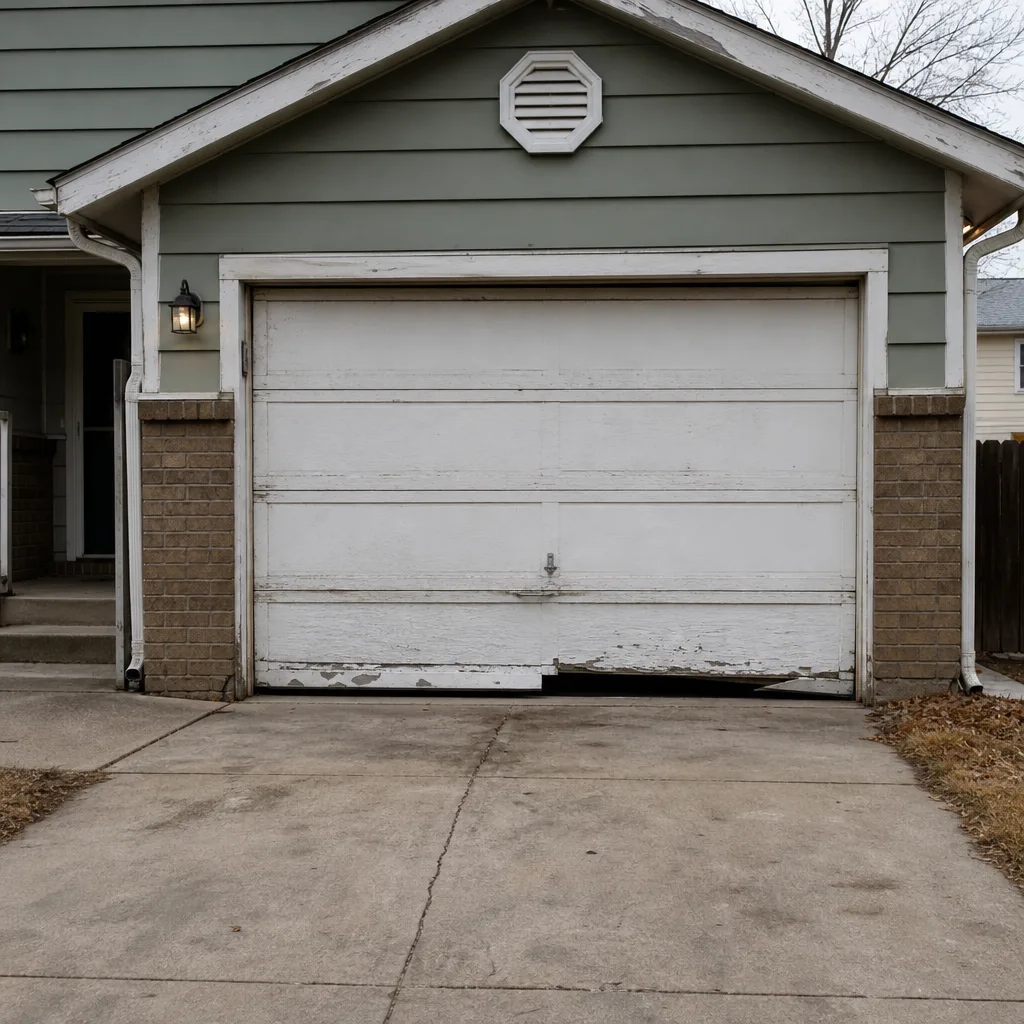 Before
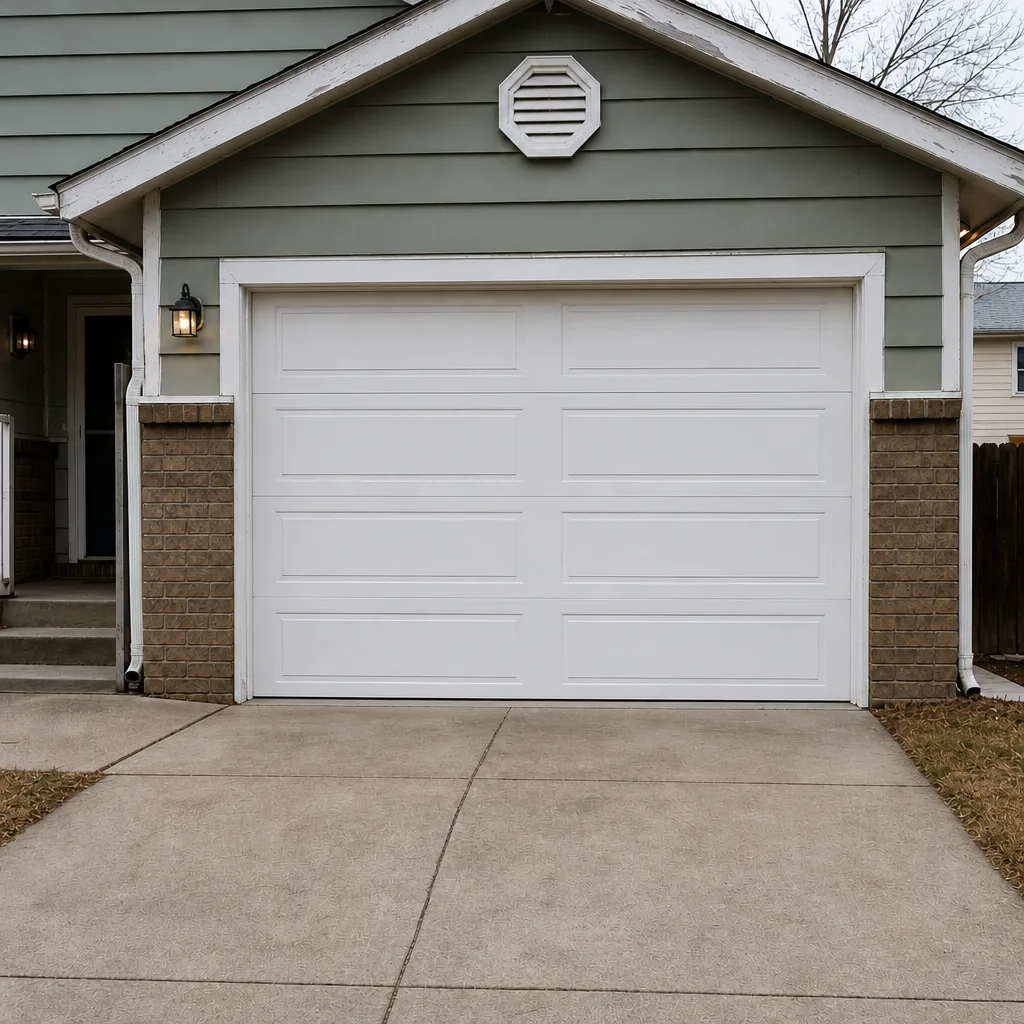 After
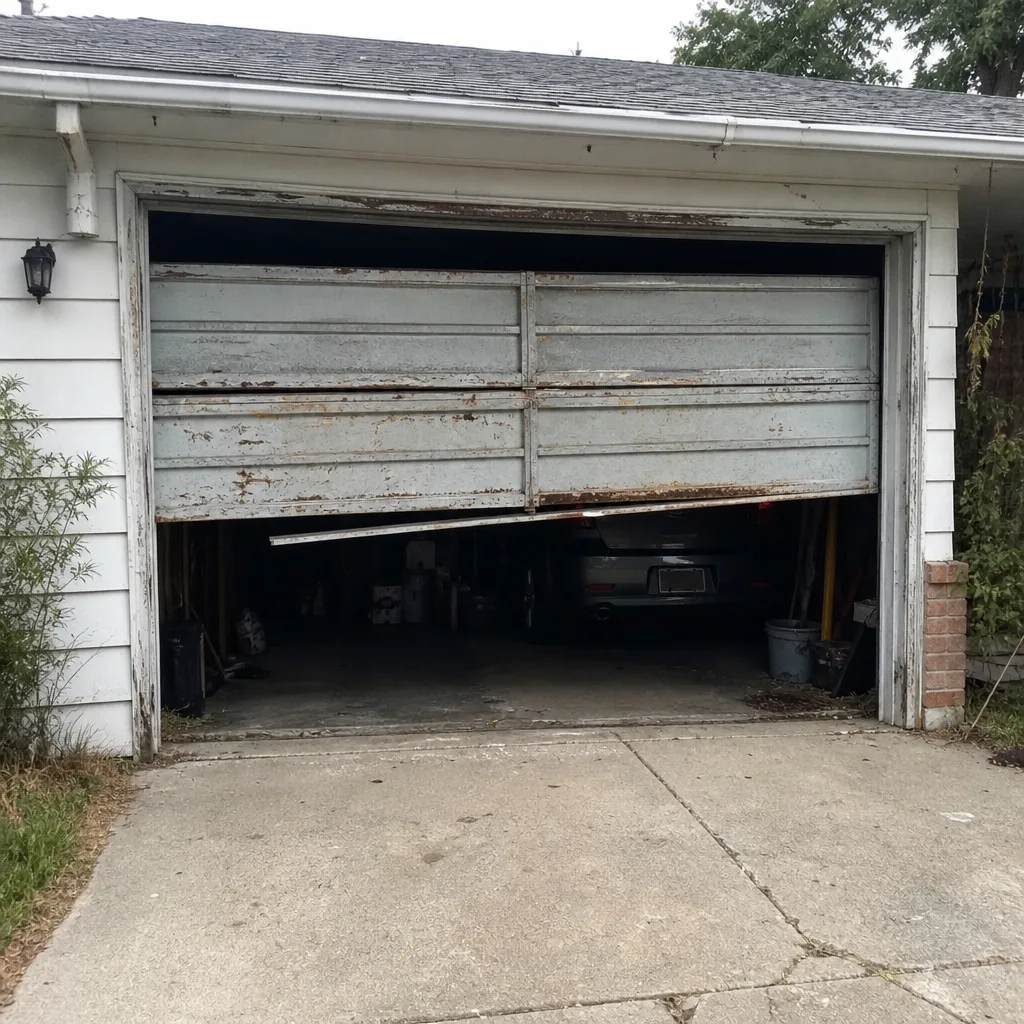 Before
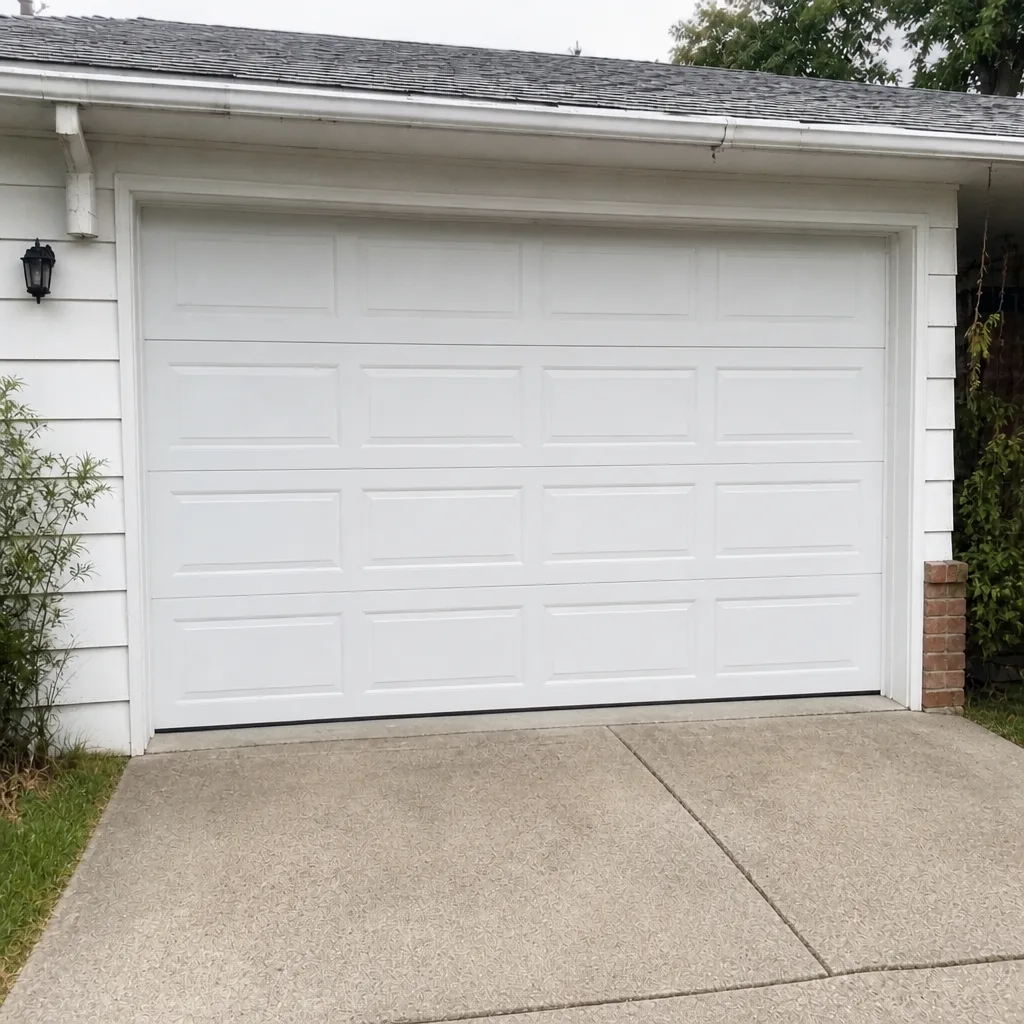 After
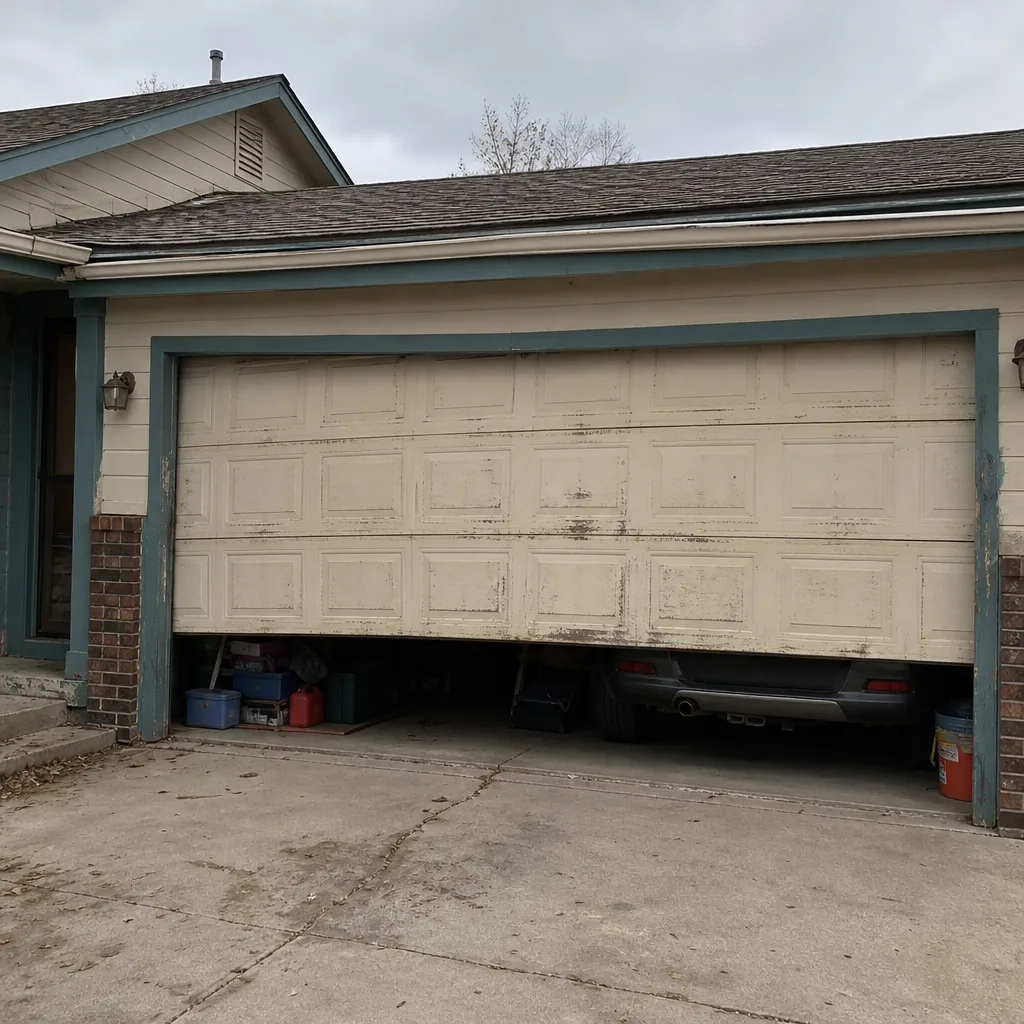 Before
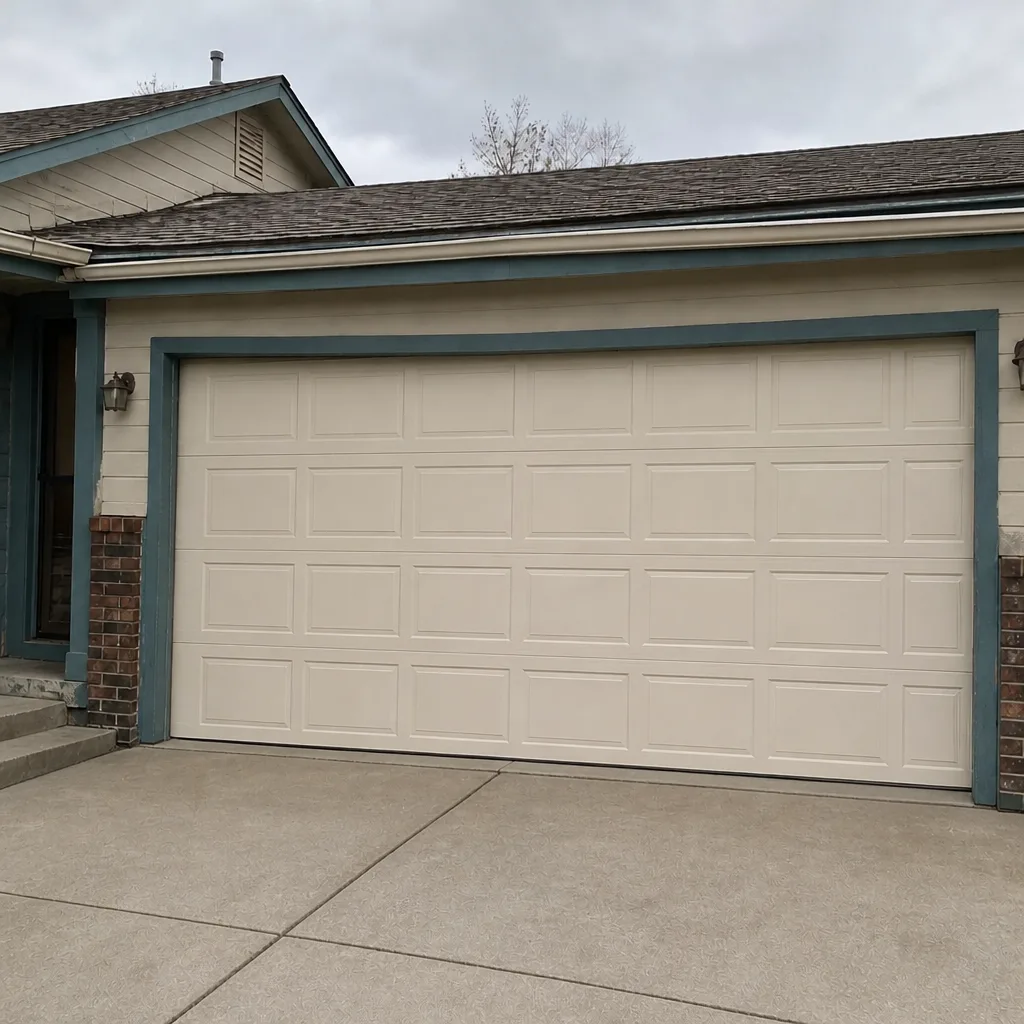 After
When to Call a Professional
Some garage door tasks are safe to handle yourself: replacing a remote battery, cleaning the tracks, or testing the safety sensors by placing an object in the door’s path. Everything involving springs, cables, and the opener’s internal mechanics belongs in professional hands. Call a specialist when a torsion spring has broken (a loud snap and a door that won’t lift are the clues), when the door is crooked or off its track, when the opener runs but the door doesn’t move, when the safety sensors won’t stay aligned, or when you’re planning a new door installation and need a brand recommendation that fits Central Park’s climate and design review. Garage Door Repair Central Park offers free estimates in Central Park – call (877) 419-7757 for a written price quoted and agreed before any work starts.
Frequently Asked Questions
For most Central Park homes, the best brand is one with a certified local dealer, stocked parts in the Denver metro, and a product line that passes design review. Clopay, Amarr, and Wayne Dalton are the safest anchors because of their distribution and serviceability here. The right choice depends on your insulation needs, style preference, and budget. Call (877) 419-7757 for a free estimate – we’ll walk through the options that fit your home.
Installation pricing depends on the door size, insulation level, style, and brand, and the written estimate you receive is the final price. Because doors are measured, ordered, and scheduled rather than installed same-day, the best next step is a free measure and a written price. Call (877) 419-7757 to schedule yours.
We work on LiftMaster, Chamberlain, Genie, Clopay, Amarr, Wayne Dalton, Craftsman, and Raynor systems. We also carry and sell garage door parts directly, so routine repairs don’t stall waiting on a shipment. For a repair, call (877) 419-7757 to schedule a visit – our technicians arrive familiar with your brand.
Yes, in most cases. Central Park’s architectural standards cover garage door style and color, and the safest path is to confirm your model and color against your sub-community’s design guidelines before ordering. Most installers can provide the manufacturer spec sheets you’ll need for the submittal. We can point you in the right direction on approval – call (877) 419-7757.
Finish warranties typically cover fading, peeling, and chalking of the factory finish, but the terms vary by brand and product line and often require documented maintenance. Panel warranties cover structural failure, not cosmetic wear or hail damage. Read the full warranty document for your specific model, and confirm that a local certified dealer can perform warranty service. Call (877) 419-7757 with questions.
Spring repair is one of the most urgent garage door calls, and same-day service is often possible. We answer 24/7. Fast dispatch from 7am to 7pm. A call outside dispatch hours is booked into the next opening, Sunday through Friday, 7am to 7pm. Springs are under extreme tension and should never be handled without training – call (877) 419-7757 and we’ll get a technician out to repair it safely.
The Bottom Line
Choosing a garage door brand for a Central Park home comes down to more than a national ranking. The right brand is the one with a certified local dealer, stocked parts in the Denver metro, insulation suited to Colorado’s temperature swings, a finish that survives intense UV, and a product line that clears the community’s design review. Clopay, Amarr, and Wayne Dalton are the safest anchors for most homes, with CHI and Doorlink worth pricing for value-focused buyers. Match your opener to the door’s weight and your smart-home ecosystem, read the full warranty document rather than the summary, and choose a specialist installer who works on your brand and has parts on hand. Our technicians have up to 12 years of experience, and we handle repair, opener repair, spring repair, parts, and new installation from a single provider.
Ready to choose a door? Call (877) 419-7757 for a free estimate. We answer 24/7. Fast dispatch from 7am to 7pm, Sunday through Friday. The price is quoted and agreed before any work starts.
Written by the team at Garage Door Repair Central Park.