
Last updated November 22, 2026
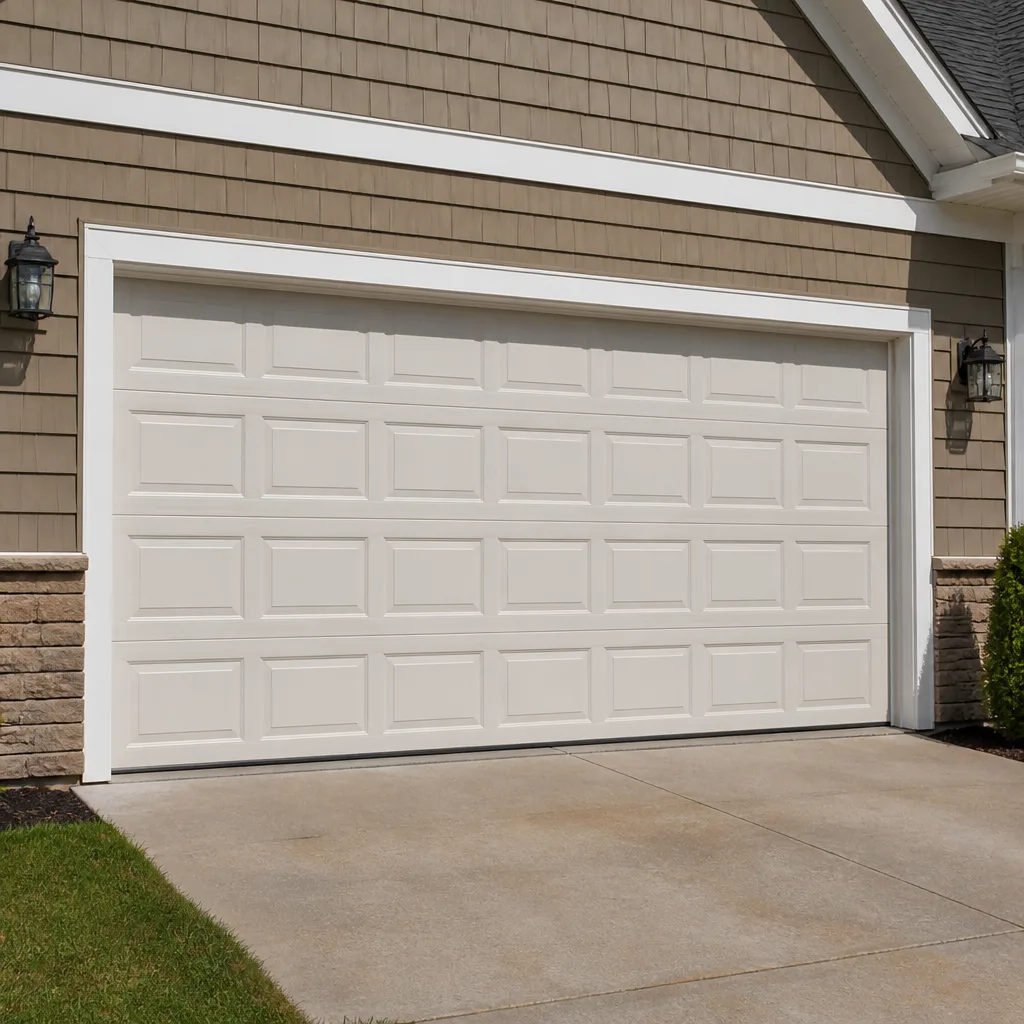 Raised-panel steel
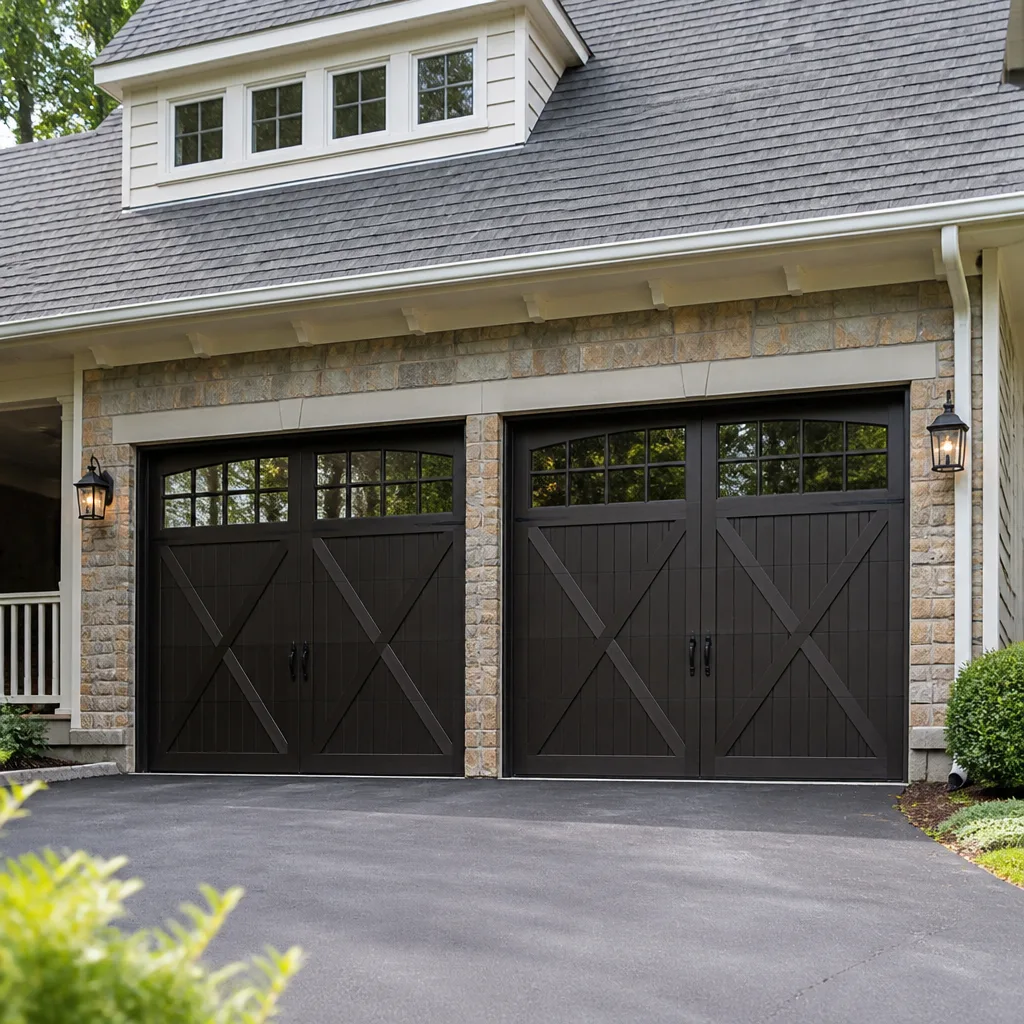 Carriage house
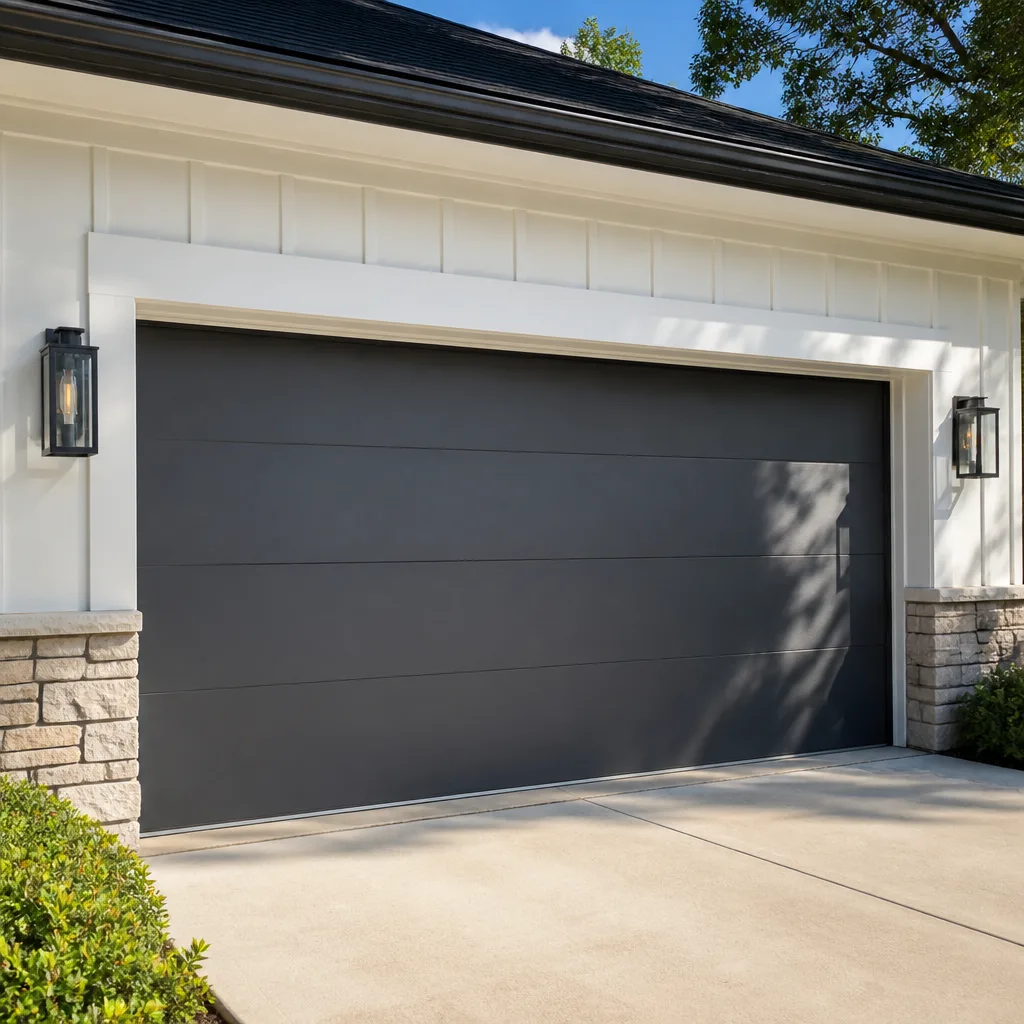 Modern flush
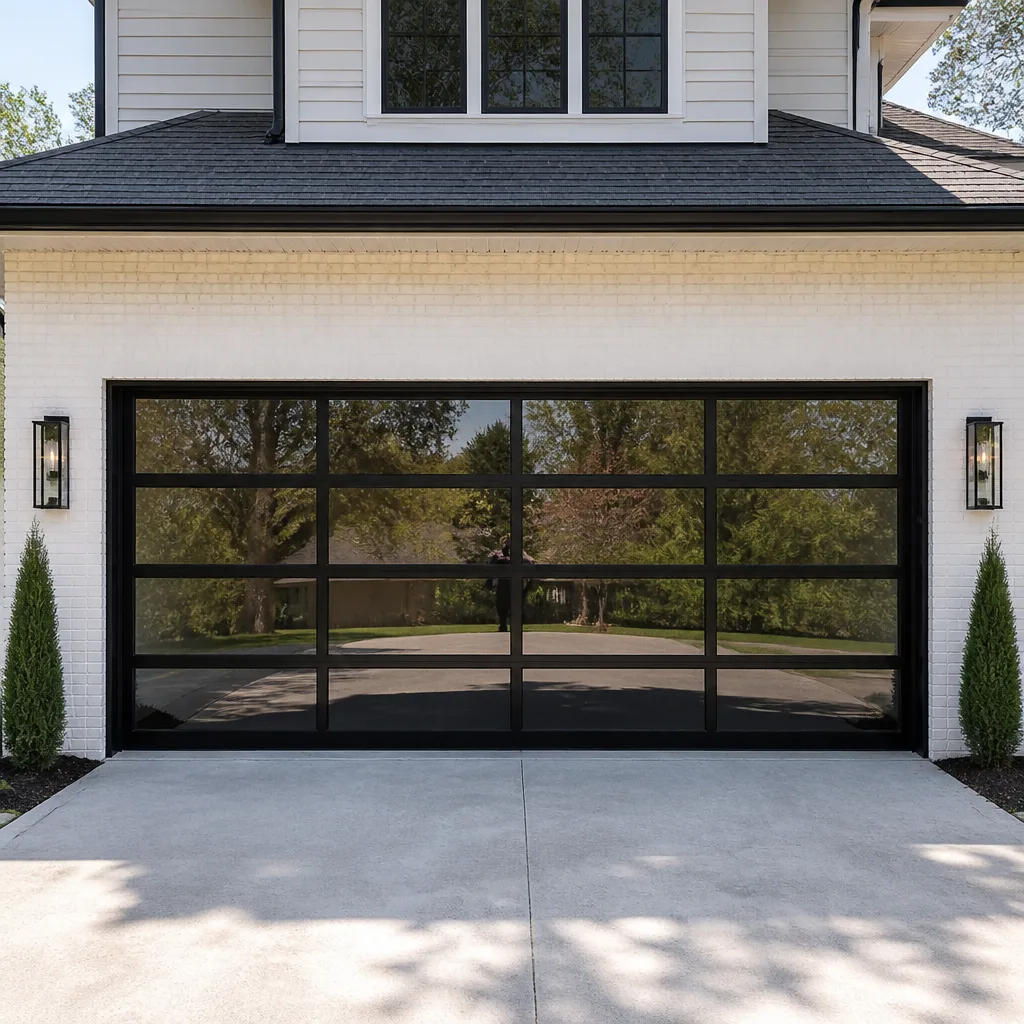 Full-view glass
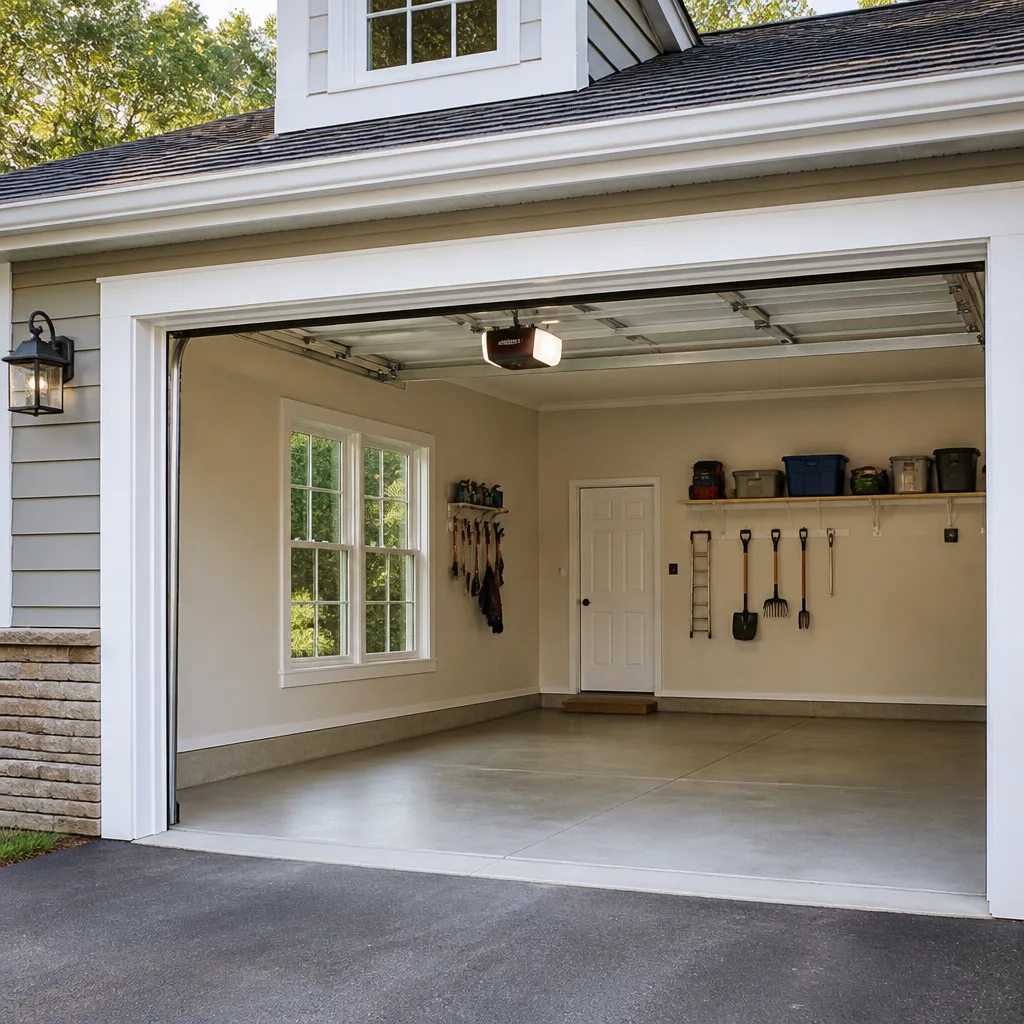 LiftMaster openers
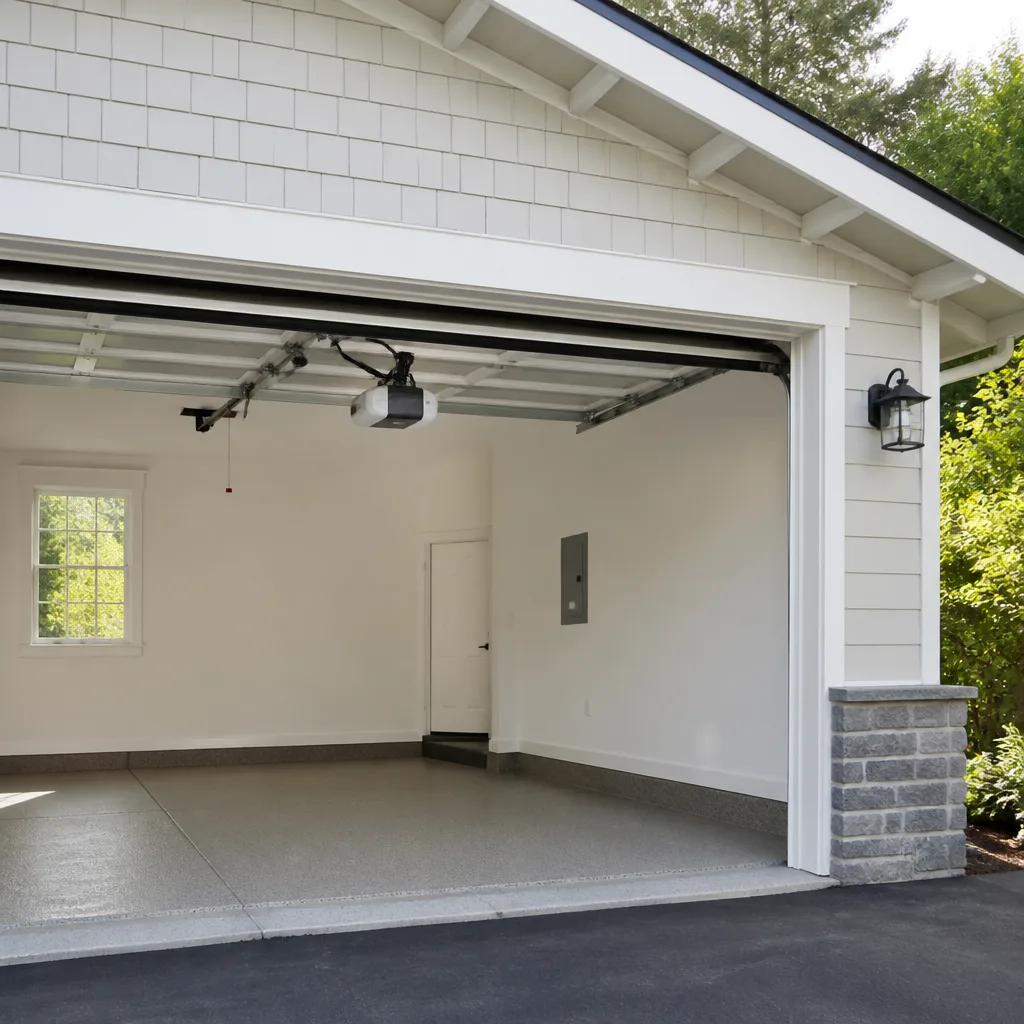 Chamberlain openers
Full 25-point door and opener safety check with every visit - springs, cables, rollers, tracks, and your LiftMaster or Chamberlain opener included
You get a price before we start. It does not change when the pro arrives.
Get your free estimateGarage Door Repair Maintenance Checklist for Central Park Homeowners
Most homeowners think a squeaky door means “add oil.” The sound is usually the last symptom of something that started moving months earlier. The single most skipped maintenance task on Colorado Front Range garage doors isn’t lubrication at all. It’s checking cable tension after the first hard freeze, when metal contraction quietly shifts the balance of the entire spring system and leaves one cable doing more work than it was set up to carry. A door that ran fine in October can be running on borrowed time by December. This checklist is built around what actually fails on Central Park doors, matched to the seasons that cause the failure, so you can catch problems on your schedule instead of on a cold morning when the door won’t lift.
Styles & brands we work with
- Raised-panel steel
- Carriage house
- Modern flush
- Full-view glass
- LiftMaster openers
- Chamberlain openers
Quick Answer
A year-round maintenance routine for a Central Park garage door means four seasonal passes: a fall pre-winter check of cables, springs, and weather seals; a post-freeze hardware and balance check; a spring dust-seal and lubrication service; and an annual opener force-limit and safety-reverse test. Lubricate rollers and hinges with a lithium-based grease, keep tracks clean and dry, and re-inspect seals after every hard temperature swing. If you find a frayed cable, a stretched spring, or a door that lifts unevenly, stop operating it and call a specialist.
Table of Contents
- Your Central Park Seasonal Maintenance Calendar
- Pre-Winter Cable and Spring Inspection
- The Post-Freeze Hardware Check
- Lubrication by Component: What Goes Where
- Weather Seal Inspection and the Temperature Delta
- Opener Force-Limit Testing
- What to Log and Photograph Each Year
- Common Mistakes to Avoid
- When to Call a Professional
- Frequently Asked Questions
Your Central Park Seasonal Maintenance Calendar
A maintenance checklist written for a mild climate doesn’t help you much in Central Park. Doors here live through dusty, dry summers, sudden shoulder-season temperature drops, and winters where freeze-thaw cycles repeat week after week. Each of those stresses a different part of the system. Build your calendar around the weather that actually reaches your garage, and the tasks line up naturally.
Here’s the seasonal map we use, and the one that fits the Front Range best:
- Early fall (before the first hard freeze): Inspect cables for fraying and slack, check spring condition and balance, clean and lubricate hinges and rollers, and confirm weather seals are still flexible.
- First hard freeze and shortly after: Run a full balance test, listen for new noises, and check that the door opens and closes smoothly. This is when cable tension changes and when problems surface.
- Late winter / early spring: Look for rust on hinges and track, check that the bottom seal hasn’t cracked from freeze cycles, and clean out grit and debris that collected along the tracks.
- Late spring (dust season): Inspect the spring dust seals, clean and re-lubricate moving parts after dry, windy weeks, and check that the opener’s safety reverse still trips correctly.
- Summer: Watch for heat-related expansion and contraction, listen for a door that binds in the heat of the day, and confirm seals aren’t shrinking away from the frame.
Central Park’s temperature range means your door goes through swings that push metal parts to expand and contract several times more per year than a door in a stable climate. That’s not a flaw in your door. It’s the reality of the region, and the checklist just has to respect it. For anything that fails a check, our garage door repair team picks up from there.
Pre-Winter Cable and Spring Inspection
The pre-winter cable and spring check is the highest-value task on this entire list. Every other maintenance item is about performance or comfort. This one is about safety and preventing a mid-winter failure. Cold contracts steel. Contracted steel changes how a spring holds tension and how a cable carries the load. On a door that was balanced in warm weather, the system rebalances itself in the cold, and a tired cable or a spring close to its limit can go from “working” to “failed” without much warning.
Here’s what to check in early fall, before the first hard freeze:
- Cables: Look at each cable where it runs along the side of the door and up to the drum. You want a clean, continuous strand with no kinks, no fraying, and no rust-colored staining. Any visible wear is a stop-and-call signal.
- Springs: Check the coil for a visible gap or split. A broken torsion spring often shows a clean break in the middle. A stretched extension spring looks longer than its mate and loses lift power.
- Balance: Disconnect the opener (pull the release handle) and lift the door by hand to roughly waist height. A properly balanced door stays put. One that creeps down is out of balance.
- Rollers and hinges: Look for flat spots on steel rollers, wobble on the roller stems, and loose hinge screws. These are cheap to address now and annoying to fix after they’ve worn the track.
One important safety note: do not attempt to adjust, tighten, or replace a spring or cable yourself. Both are under extreme tension. A torsion spring stores enough energy to cause serious injury if it releases unexpectedly, and it has. Leave those repairs to a trained technician. Your job during the inspection is to observe and report, not to reach for a wrench.
The Post-Freeze Hardware Check
The first hard freeze of the season is the deadline that matters most, and the week after it is when you look at the door again. Metal inside your garage has just gone through its first significant contraction of the year, and that process redistributes load across the spring system and the cables. Many of the failures we see on Front Range doors show their first signs right here. Run this check within a week of the first freeze:
- Run the door up and down once slowly. Listen for grinding, popping, or a rhythmic thump.
- Watch the door travel. Does it stay level across the bottom edge, or does one side lag?
- Check the cables again for slack, kinks, or new wear at the drum end.
- Inspect hinge screws and lag bolts into the wall and header. Cold can loosen fasteners as materials shrink.
- Look at the bottom seal for cracking or separation where it meets the floor.
- Test the balance by hand once more, with the opener disconnected.
If the door moves unevenly, jumps, or the balance has changed, stop running it and call. A door that jumps the track during a cold snap is a much bigger repair than a balance issue caught early. When the work needs to happen, our garage door opener repair team also handles the opener side if the motor or safety sensors are part of the problem.
Lubrication by Component: What Goes Where
Here’s the mistake that does the most quiet damage on a homeowner’s maintenance list: greasing everything. A garage door is a mixed-material system. Some parts want a heavy grease. Some want nothing at all. Use the wrong product on the wrong part and you get a sticky, dirty door that wears faster, not slower.
Here’s the spec we recommend for a Central Park door:
- Rollers, hinges, and the torsion spring coils: Lithium-based grease is the right call here. It stays put under load, handles cold, and won’t dry out as quickly as a light oil. A thin film is enough. A thick layer just attracts grit.
- Tracks: Nothing. Leave the tracks dry. Grease on a track turns into a dust magnet. In Central Park’s dry, windy weeks, that dust cakes up and grinds against the rollers. Wipe the tracks clean with a cloth and move on.
- Roller stems (the axle inside the roller): A drop of light oil is fine, but keep it off the roller surface itself.
- Opener chain or belt: Follow the brand’s spec. LiftMaster and Chamberlain units are common in Central Park, and the factory-recommended lubricant is the one to use. Generic grease can void the warranty.
Colorado’s dry air accelerates wear in a specific way. Low humidity means light oils evaporate faster and metal parts see less natural moisture protection. What’s still there is dust, which dry air lets travel farther into moving parts. The fix isn’t more grease. It’s the right grease, applied at the right interval, with tracks kept clean. Two maintenance passes a year is usually the sweet spot for a Central Park door, with an extra check after any stretch of gusty days.
Weather Seal Inspection and the Temperature Delta
The bottom weather seal and the side and top seals are the cheapest part of the system to recheck and the easiest to overlook. Central Park’s annual swing of over 100 degrees Fahrenheit between the coldest winter night and the hottest summer afternoon is exactly the kind of range that cracks a rubber seal. Rubber that goes from brittle cold to hot and back, year after year, loses elasticity. Once it does, it stops sealing.
A cracked bottom seal costs you two ways. The obvious one is cold air, heat, and dust getting into the garage. The less obvious one is that a cracked seal puts uneven pressure on the door as it closes, which nudges the opener to work harder and the balance to drift. Replacing a seal is a quick job compared to what a struggling opener will cost you later.
How to check your seals the Central Park way:
- Close the door and look along the floor from inside. You should not see daylight under the door anywhere.
- Run your hand (or a piece of paper) along the bottom edge. It should grip gently all the way across. Loose spots are the first sign.
- Look at the side and top seals where they meet the frame. Cracks, sagging, or gaps mean the seal has aged out.
- Repeat the check after the first freeze and again in the first hot week of summer. Those are the two points where the seal is most likely to show damage.
If a seal is cracking or separating, replacing it is a scheduled job, not an emergency. There’s no need to rush it. There is a need to put it on the list.
Opener Force-Limit Testing
The force-limit test is the safest and highest-value opener check you can run, and it takes under two minutes. It’s not a performance test. It’s a safety test. It confirms that if the door meets an obstruction (a child, a pet, a bicycle, a recycling bin) on the way down, the opener will reverse instead of pushing through. The U.S. Consumer Product Safety Commission has required safety reverse on automatic garage door openers since the early 1990s, so if your door was built or the opener installed after that, the system is there. Whether it still works is a different question.
How to run the test on most LiftMaster, Chamberlain, Genie, or Craftsman openers:
- Open the door fully, then watch it close.
- As it comes down, place a flat object in its path, such as a piece of wood or a brick.
- The door should reverse immediately on contact. If it doesn’t reverse, stop the test and call us. The opener needs adjustment or repair.
- Test the photoelectric safety sensors separately: with the door open, wave your foot or a broom across the beam at the bottom of the track. The door should not move, or should reverse if already closing.
Run this test twice a year. Once when you put the door into its fall routine, and once at the start of summer. If you have a Chamberlain or Genie unit, follow the manufacturer’s spec for the force setting rather than guessing. And if a sensor is misaligned, don’t tape over it or bend the bracket. That’s how doors come down on the wrong thing. Full-scope garage door opener repair is a call away if your test fails.
What to Log and Photograph Each Year
The single best thing you can do to prevent a mid-winter emergency is to keep a record. A technician who sees three years of photos and a running log can spot a trend that a one-time inspection can’t. This is the part of maintenance most homeowners skip, and it’s the part that pays off the most.
Once a year, take these photos:
- A full shot of the door from inside, with the door closed.
- A close-up of each spring, from both ends. Note any change in coil length or position year over year.
- A close-up of each cable where it attaches to the drum and where it runs down the side of the door.
- A shot of the opener head, including the brand and model label.
- A shot of the bottom seal, taken from inside the garage, looking toward the floor.
Then log the following in the same document each year:
- Date and result of your force-limit test.
- Result of your balance test (stays put, creeps down, one side lags).
- Any noise, vibration, or change in door speed that you noticed over the year.
- Date of the last full lubrication and re-check.
- Any repairs, part replacements, or service calls.
If you ever do have a fault, that log is the difference between a 10-minute diagnosis and a guess. It’s especially useful for anyone with a Clopay or Amarr door or a LiftMaster opener, where knowing the exact model matters for sourcing the right parts. That’s what we mean by “one call covers it,” and it’s a big reason we carry a full parts inventory. When a model number and photo go together, we arrive with what we need and the door doesn’t sit waiting on a shipment. If you’re thinking about replacing the door rather than repairing it, garage door installation is the next step.
Common Mistakes to Avoid
- Greasing the tracks. Tracks should be clean and dry. Grease on a track collects dust and grinds the rollers. In Central Park’s dry summer, that happens fast.
- Skipping the post-freeze check. The week after the first hard freeze is when the failure modes on Front Range doors show their first signs. Missing it means catching the problem after it fails.
- Tightening or replacing a spring yourself. Torsion springs are under extreme tension. This is the one maintenance task that should never be DIY. A trained technician doing spring repair is the safe path.
- Ignoring a slow door. A door that has gotten slower over a season is telling you it’s out of balance or the opener is struggling. It won’t fix itself, and the repair only grows.
- Running the door on a broken spring or cable. If you hear a loud bang and the door won’t lift, stop. Running the opener on a failed spring can damage the opener and the door.
- Waiting on the weather seal. A cracked seal is a cheap part and a small job. Leave it and you pay in energy bills and premature wear.
- Assuming the opener’s safety reverse still works because it did last year. Sensors drift, brackets loosen, and the force setting changes. Test it twice a year.
When to Call a Professional
Some maintenance belongs in your hands. Others need a specialist. Call us when you see a frayed, kinked, or slack cable; when a spring has a visible break, looks stretched, or has lost lift power; when the door jumps, binds, or comes down unevenly; when the force-limit test fails or the safety sensors won’t align; or when the opener makes grinding or popping sounds and the door moves inconsistently. Any of those are garage door specialist territory, not a weekend project. We work on LiftMaster, Chamberlain, Genie, Clopay, Amarr, Wayne Dalton, Craftsman, and Raynor systems, which means the technician who shows up already knows your brand and typically has the part on hand.
Garage Door Repair Central Park offers free estimates in Central Park. Call (877) 419-7757. We answer 24/7. Fast dispatch from 7am to 7pm, Sunday through Friday. Every price is quoted and agreed before any work starts, so the written estimate is the price.
Frequently Asked Questions
Twice a year for a full lubrication and balance check, with an extra visual pass after the first hard freeze and again in the first hot week of summer. That cadence matches the temperature swings here and catches the common Front Range failure modes before they cause a bigger repair. Call (877) 419-7757 for an exact quote. Estimates are free.
Cold contracts steel, and that changes how the spring system holds tension. A door balanced in fall can run out of balance in winter, which puts uneven load on cables and makes a tired spring more likely to fail. It’s not a defect in your door. It’s the climate, and a post-freeze check is the fix.
Because grease on a track turns into a dust magnet. Central Park’s dry, windy weeks push fine dust into any sticky surface, and that grit grinds against your rollers. Clean tracks with a cloth and leave them dry. Save the lithium grease for hinges, rollers, and springs where it actually belongs.
No. Torsion and extension springs store enough energy to cause serious injury, and they’ve done it. Spring repair is the task we treat as a specialist job. If you see a break or lose lift power, stop operating the door and call us. Call (877) 419-7757 for an exact quote. Estimates are free.
It means the opener isn’t reversing on contact the way it’s required to. That’s a safety failure, not a performance issue, and it needs adjustment or repair. Run the test twice a year. If it fails, don’t run the door until we’ve looked at it. Fast dispatch from 7am to 7pm, Sunday through Friday.
Usually not every year, but expect faster wear due to the temperature delta. The over 100°F annual swing between the coldest night and the hottest afternoon is what cracks rubber seals. Check the bottom and side seals after each freeze and after the first hot week of summer. Replace them when they crack, sag, or gap.
No. Any work we do is quoted and agreed before it starts, so the written estimate is the price. If we find something additional during the work, we tell you about it first and you decide before we move forward.
The Bottom Line
The garage door maintenance checklist that works in Central Park is a seasonal one, tied to the temperature swings and freeze cycles that actually reach your garage. Check cables and springs before winter, check hardware again after the first hard freeze, use lithium grease on the right parts and leave the tracks dry, inspect weather seals after every hard shift in the weather, and run the force-limit test twice a year. Keep a log and annual photos so a technician can spot trend-based failures early. If a cable, spring, or safety test fails, stop and call a specialist. That’s the whole routine, and it’s the one that prevents most mid-winter emergency calls.
Ready to have your door checked or a repair quoted? Call (877) 419-7757 for a free estimate at Garage Door Repair Central Park. We answer 24/7. Fast dispatch from 7am to 7pm, Sunday through Friday. Bring us your brand and your model number, or your log and photos, and we’ll take it from there.
Written by the team at Garage Door Repair Central Park.
See the difference
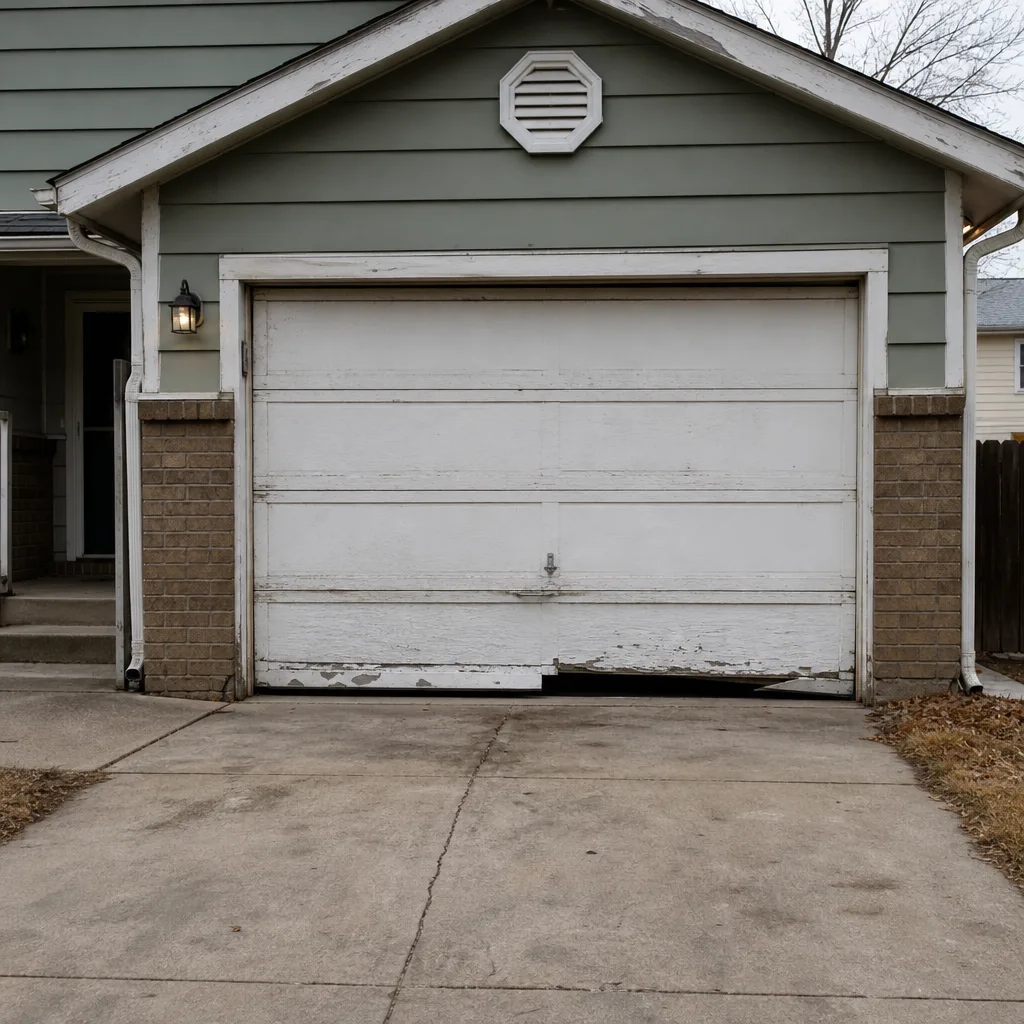 Before
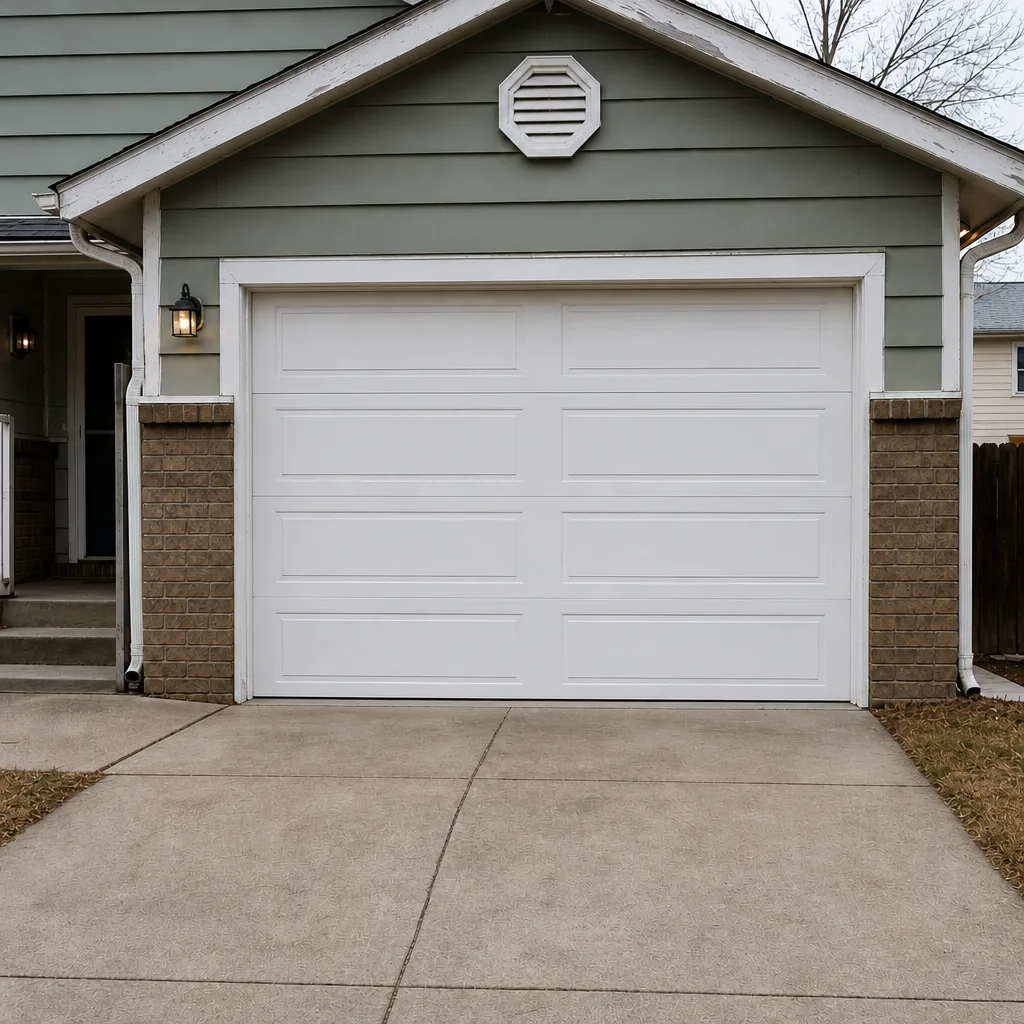 After
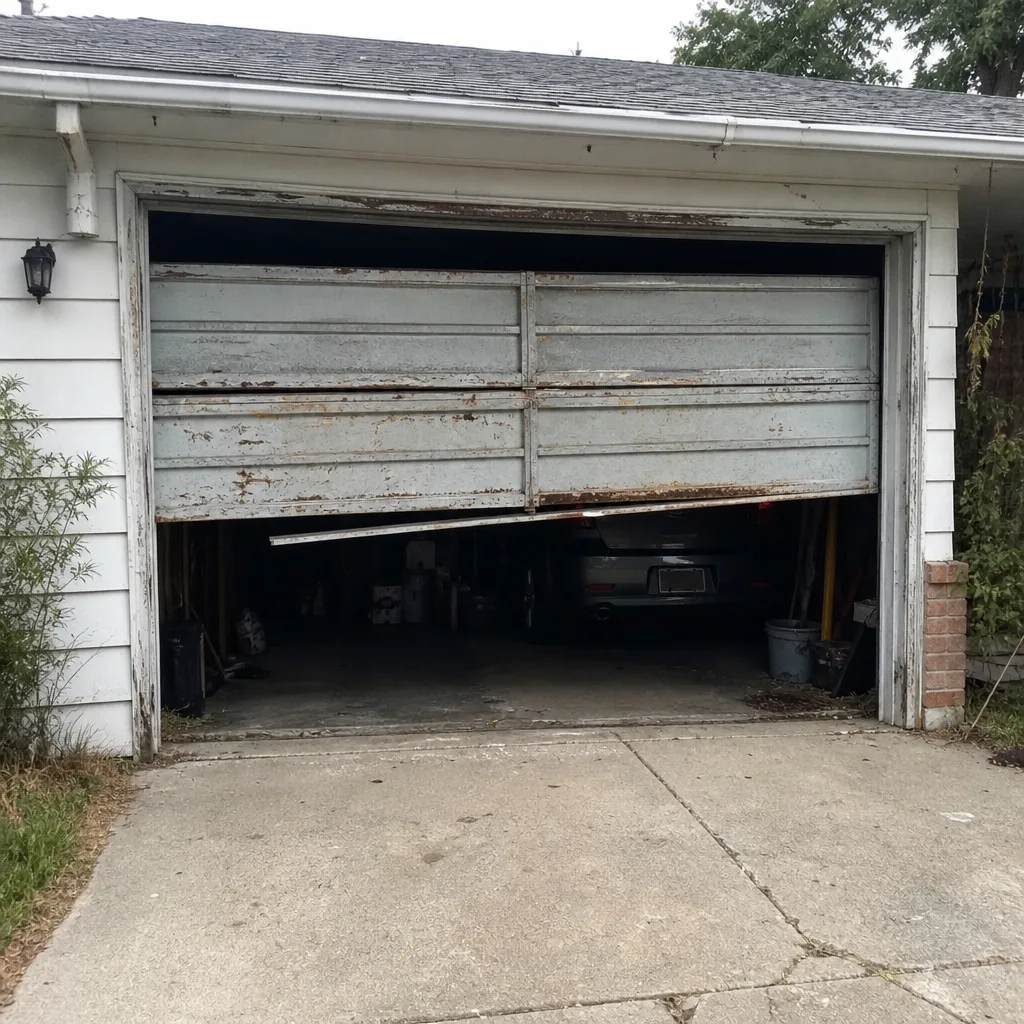 Before
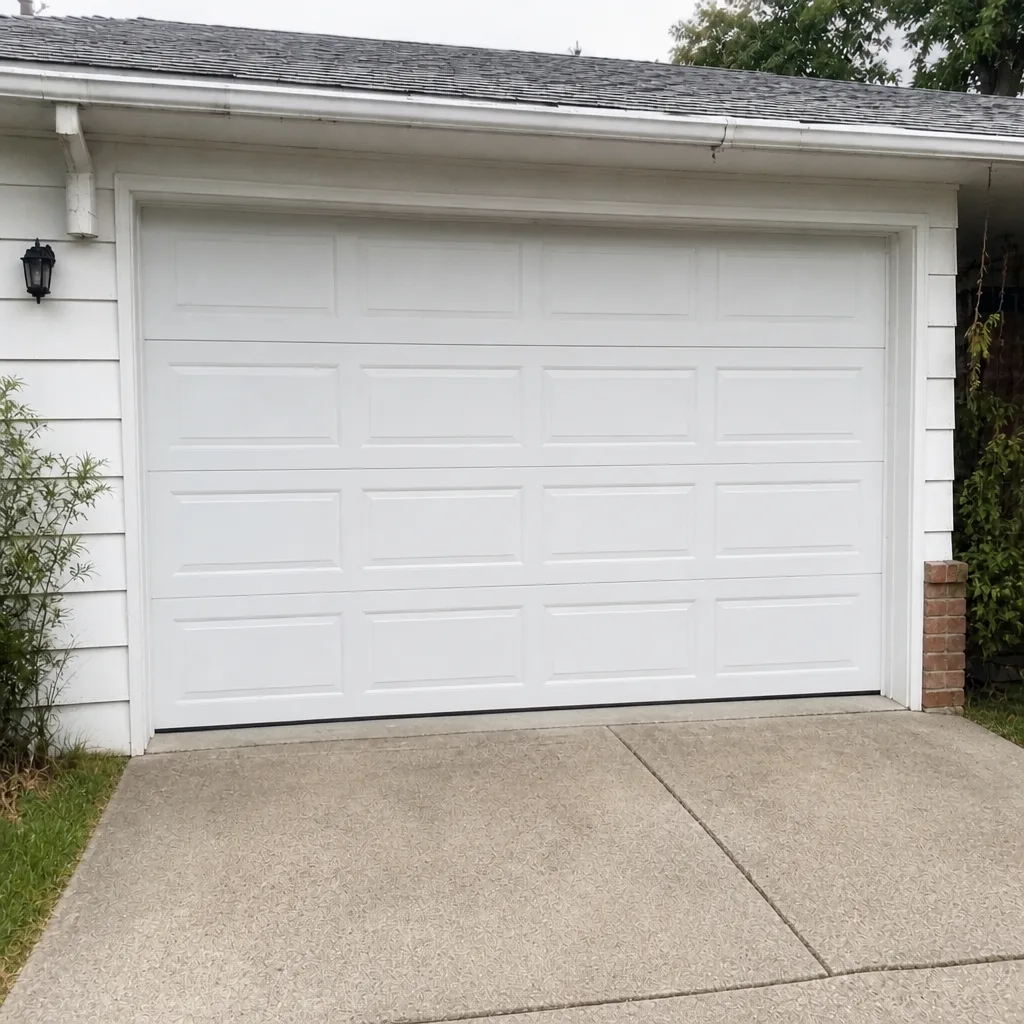 After
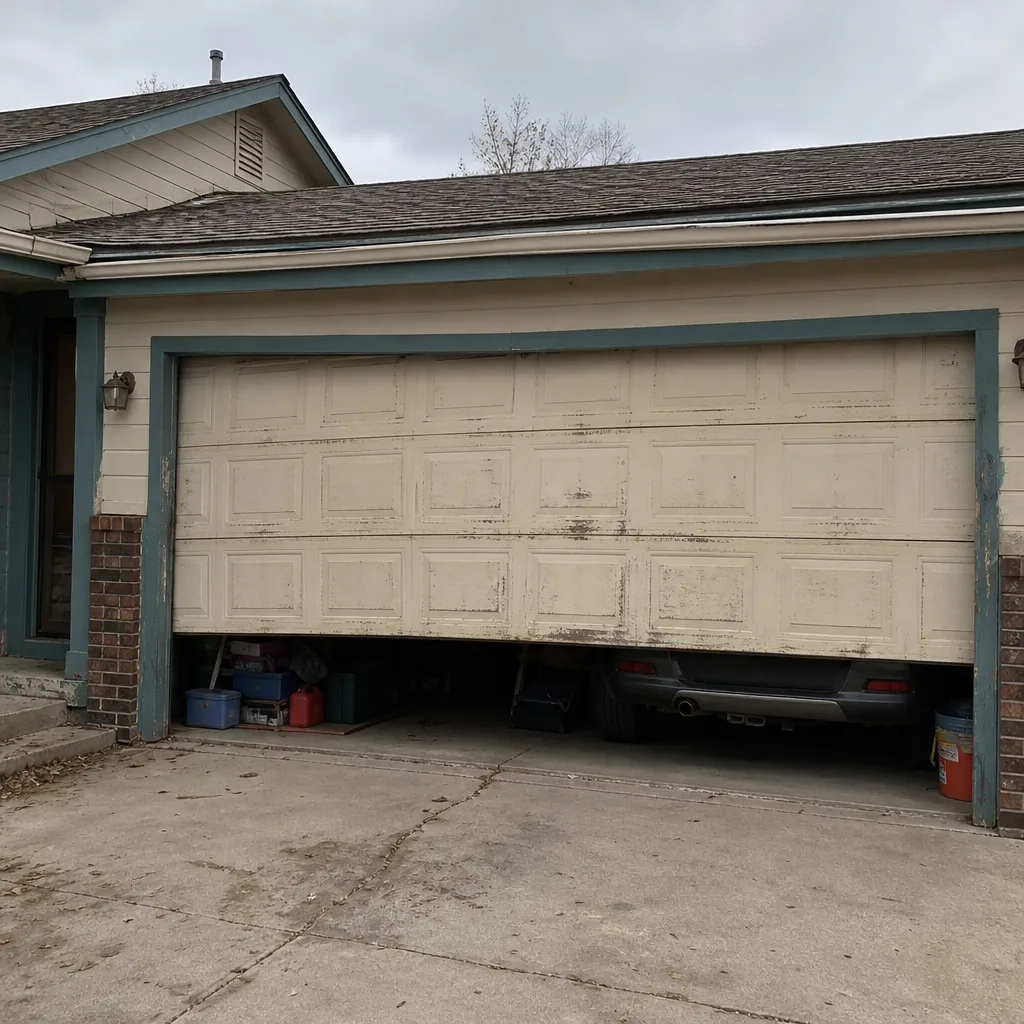 Before
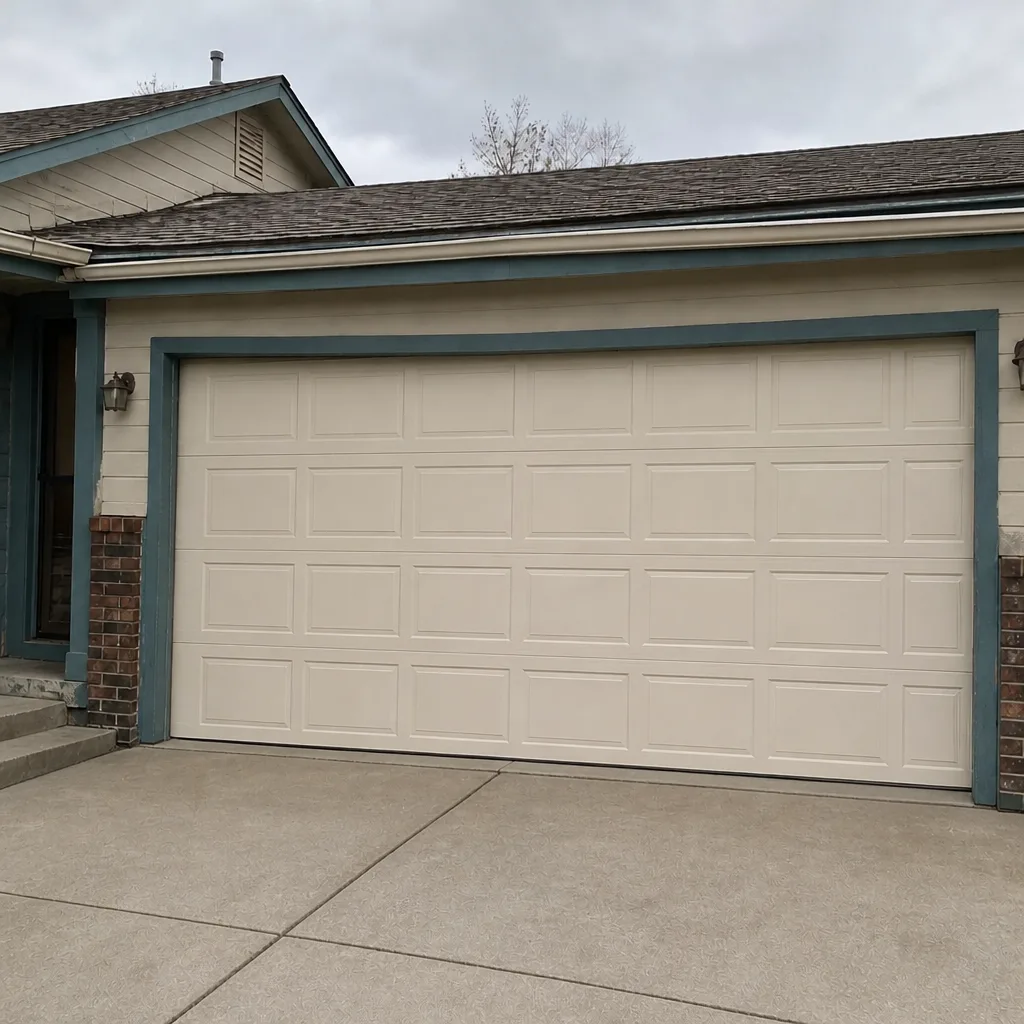 After