
Last updated November 22, 2026
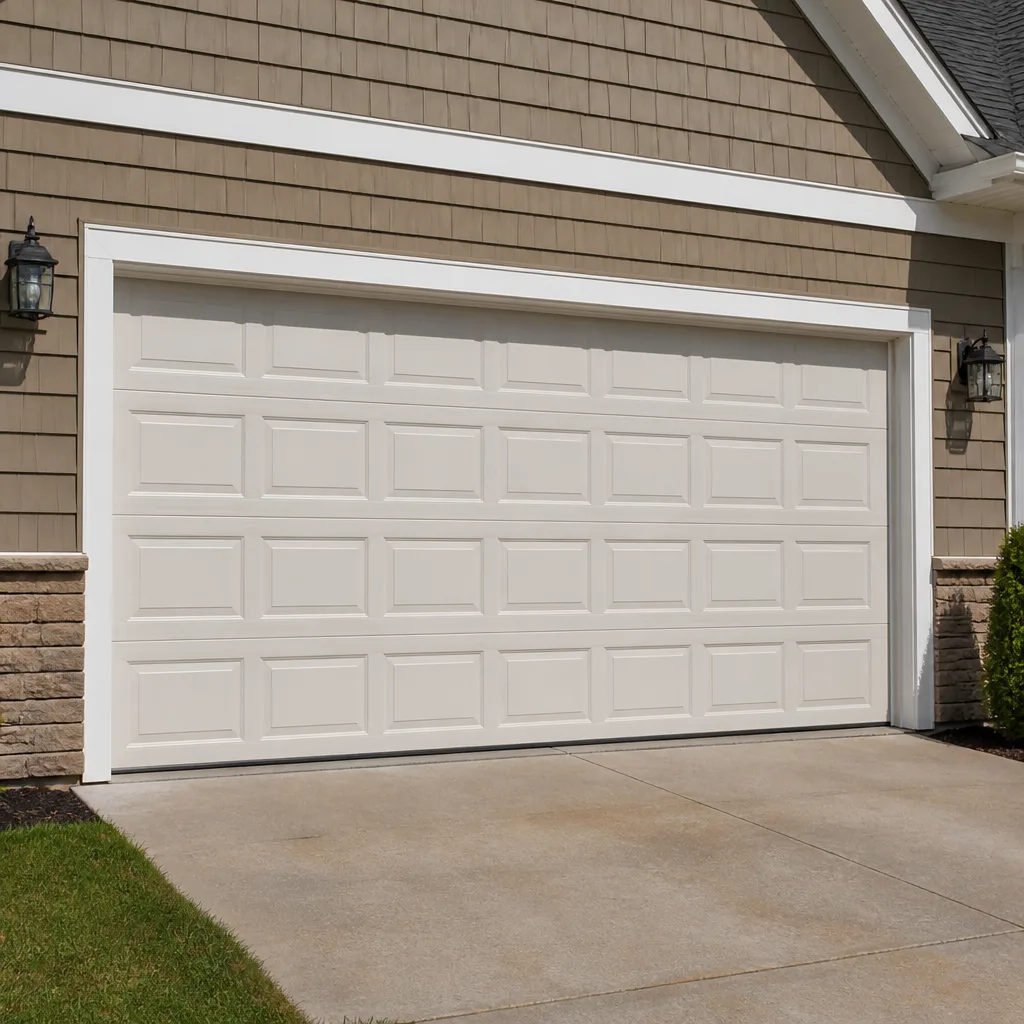 Raised-panel steel
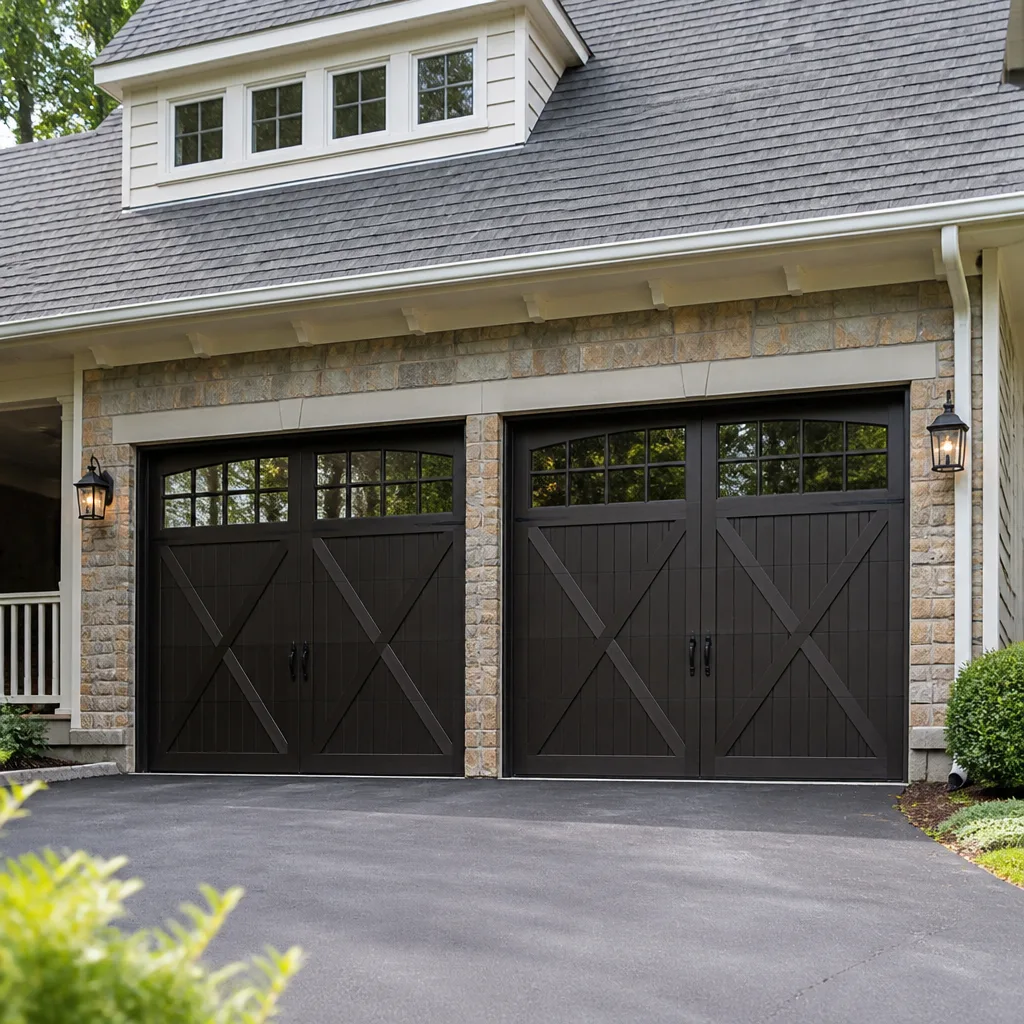 Carriage house
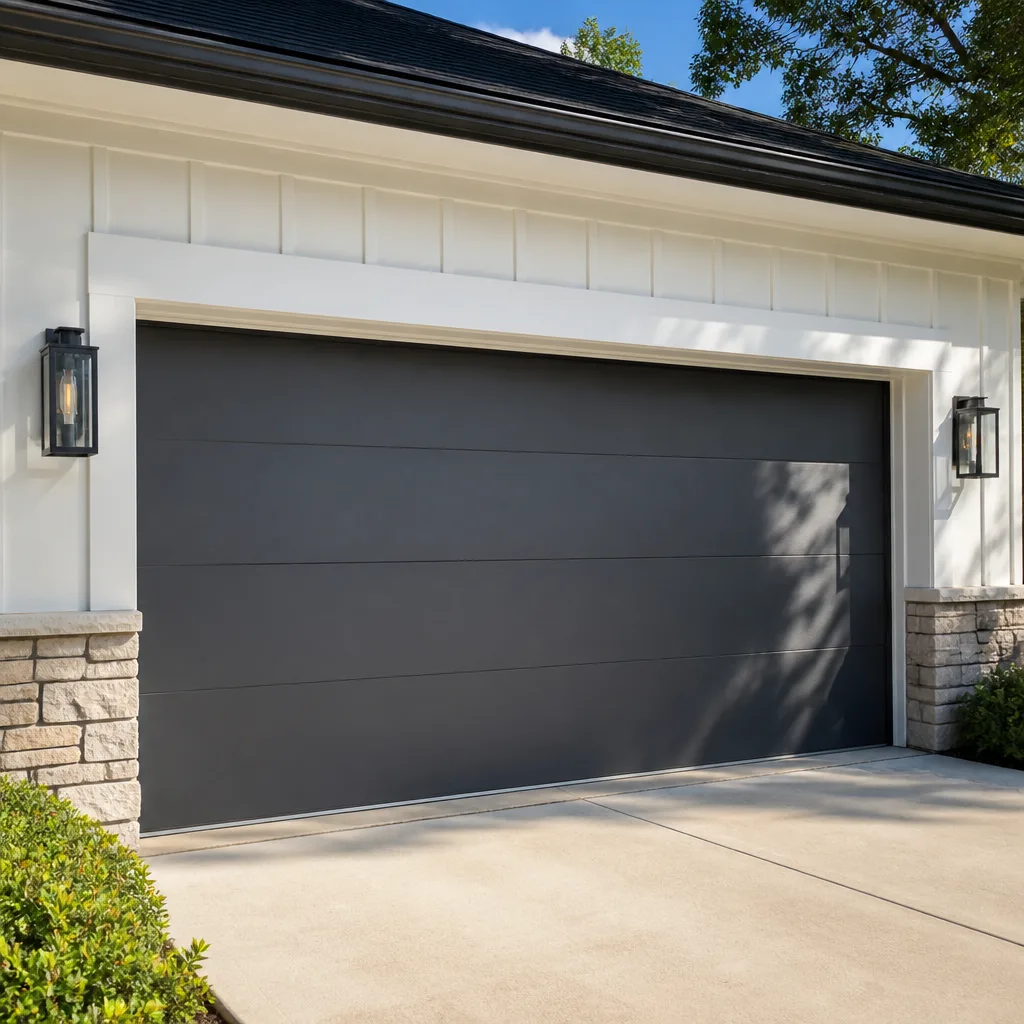 Modern flush
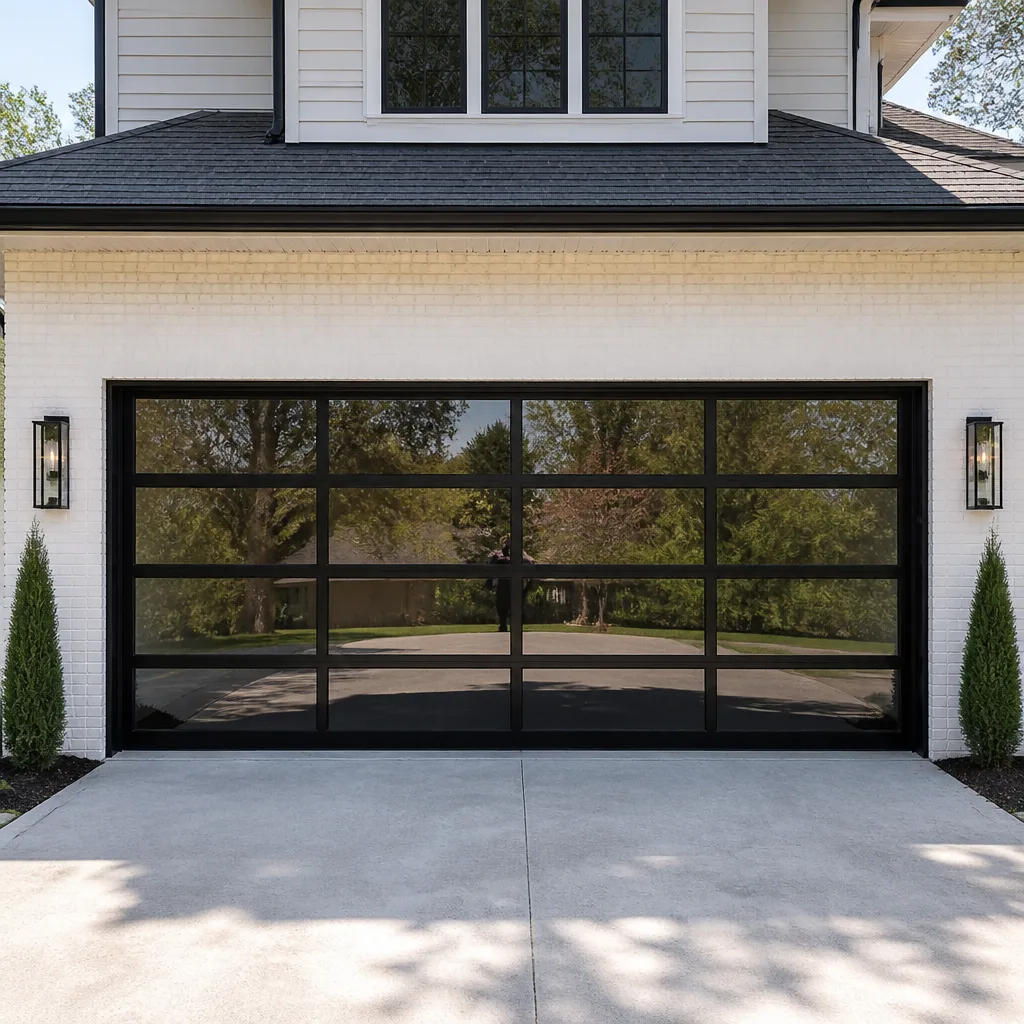 Full-view glass
 LiftMaster openers
 Chamberlain openers
Full 25-point door and opener safety check with every visit - springs, cables, rollers, tracks, and your LiftMaster or Chamberlain opener included
You get a price before we start. It does not change when the pro arrives.
Get your free estimateGarage Door Warning Signs: A Central Park Homeowner’s Reference Guide
A garage door that pauses for a beat before it moves isn’t simply “getting old.” That hesitation usually comes from a force-limit setting on the opener reacting to a door that has become harder to lift, which in turn often points to a spring that’s losing tension. The opener is usually the last component at fault, not the first. Most warning signs in Central Park homes map to one specific mechanical part, and once you know which part you’re hearing or seeing, you can decide whether it’s a weekend project, a scheduled repair, or a call today. This guide translates symptoms into diagnoses so you can act on the right timeline.
Quick Answer
Warning signs worth acting on today are frayed or kinked cables, a door that reverses on its own, and a popping sound from the torsion bar. Grinding, squealing, and shuddering are usually track, roller, or lubricant issues that can wait for a scheduled visit. Uneven movement and a widening gap at the floor point to spring balance or track alignment. In all cases, the right move is a professional inspection before the problem forces itself on you.
Styles & brands we work with
- Raised-panel steel
- Carriage house
- Modern flush
- Full-view glass
- LiftMaster openers
- Chamberlain openers
Table of Contents
- What the Noise Is Telling You
- Cable Inspection: The Sign That Can’t Wait
- The Gap Test for Uneven Door Movement
- Reading Opener Behavior as a Diagnostic
- Colorado-Specific Warning Signs
- A Seasonal Checklist for Central Park Conditions
- Common Mistakes to Avoid
- When to Call a Professional
What the Noise Is Telling You
Noise is the easiest warning sign to notice and the hardest to diagnose without a trained ear. The specific sound narrows down the component immediately. Three noises cover most of what we hear on service calls, and each has a different urgency.
Grinding
Grinding comes from metal on metal, and in a garage door that’s usually the rollers rubbing in the track or a bent track section scraping a hinge. It’s rarely an emergency. A malformed roller will grind for months, and the track itself can usually be adjusted without replacing parts. But leaving it does wear the roller shaft and can bend the track further. In Central Park, where winters bring freeze-thaw cycles that can shift a surface-mounted track a fraction of an inch, grinding often appears after a cold snap and gets worse as the door keeps rubbing.
Popping
Popping or snapping near the top center of the door often means the torsion spring is winding unevenly or the torsion bar has shifted. Popping is the most urgent of the three noise types because it can precede a spring failure, and a spring failure under tension is dangerous. If you hear popping, stop using the door and get it inspected. The same goes for the door being harder to lift by hand than usual.
Squealing
Squealing typically comes from a dry roller bearing or a hinge that needs lubrication. It’s the least urgent diagnosis and the easiest to act on, but it’s also the noisiest, which is why it’s often what gets a customer to call. A squeal that only appears at the top of travel can also be the cable rubbing on a guide or drum, which is more serious. If the squeal is only in one spot, treat it like popping until you’ve had it looked at.
Cable Inspection: The Sign That Can’t Wait
Of all the warning signs, a worn cable is the one we treat as a same-day call. Cables and springs share the load holding your door up, and they’re under real tension even when the door is closed. When a cable fails while the door is up, the door can drop without warning. A cable that’s getting close to failure often looks fine from the floor, which is why the visual check matters.
What to look for, at increasing stages of wear:
- Frayed strands at the drum or the bottom bracket. One or two broken strands visible under a light means the cable is on its way out. Get it inspected before it fails.
- Kinks and birdcaging. A cable that has become kinked or is bulging like a spring in one spot has already been shock-loaded and should be replaced.
- Rust staining along the length of the cable. Rust in the sheath area weakens the strands and is a common sight in Central Park after a winter of snowmelt on the driveway side.
- A slack or snapped cable lying on the door face. This is a stop-using-the-door situation. Do not operate the door.
Do not reach into the drum or the bracket to touch a cable. Springs and cables are under tension, and the safest move is to book a certified inspection for cable replacement. This is a job that should be done by a trained technician, not handled as a DIY project.
The Gap Test for Uneven Door Movement
A garage door that rises unevenly, or sits with one side off the floor, is doing one of two things: fighting a spring imbalance, or fighting track misalignment. You can often tell which with a simple physical test, without opening the door.
Step 1: Look at the bottom seal
With the door closed, look at the gap between the bottom of the door and the floor across the full width. A gap that’s uniform side to side means the seal is compressed or worn, and the door itself is fine. A gap that’s wider on one side than the other means the door is sitting crooked, and that’s a balance or alignment problem.
Step 2: The lift test
Disconnect the opener from the door with the release cord (pull it down, don’t let it snap up). Lift the door by hand about halfway. Then let it go.
- If the door holds its position, the springs are balanced and any unevenness is track misalignment.
- If the door drops on its own, the springs are too loose and need adjustment.
- If the door rises on its own, the springs are over-tensioned and need adjustment.
Whichever result you get, the fix is technician work. Spring adjustments done wrong are dangerous, and a track that has moved out of alignment needs realigning with the correct fasteners, not force.
Reading Opener Behavior as a Diagnostic
The opener itself is a data source. Its behavior gives you a clear read on what’s going wrong in the door. Three patterns cover most opener faults we see in Central Park:
- The door reverses immediately after touching the floor. The force limit is set too low, or the door has become heavier because a spring is losing tension. The opener is doing its job, but it needs a professional test of both the sensitivity setting and the spring tension.
- The door reverses at the same point on the way down. Something is directly obstructing the track or the photo-eye. Check for an object in the track, and check the safety sensors at the bottom of the tracks are aligned and the lens is clean.
- The door opens but won’t close. The reversing circuit is being triggered. That’s the safety sensors, the force limit, or a motor that’s detecting too much resistance.
If your opener is a LiftMaster or a Craftsman (the two most common we see in Central Park homes), the diagnostic path is well documented, and the force-limit adjustment is a controlled setting. That doesn’t make it a task for a homeowner to handle blind. A technician with those systems arrives knowing the exact limit and the correct sensing calibration, which is often why a same-day visit is faster than chasing the fault yourself. If the opener is the issue rather than the door, our garage door opener repair team can test both the drive unit and the door together.
Colorado-Specific Warning Signs
Central Park sits on the Front Range, and the swing between warm afternoons and sub-freezing nights puts the whole garage door assembly under a specific kind of stress that doesn’t show up everywhere. Two visual signs matter most:
Frost on the inside of the panels
Steel sectional doors are built with a rigid foam core between the exterior skin and the inner panel. If frost is forming on the inside face of the door, the door has lost enough thermal performance that moisture from the air is freezing on the interior skin. This usually means the trim between panels has separated from expansion and contraction, or the door was never insulated to the level the garage needed. Frost is a warning sign, not a failure, but it’s a sign that a garage door installation with a correctly rated door is the long-term answer if the current door is single-layer steel.
Rust streaking at hinge points
The freeze-thaw cycle during a Colorado winter moves hinges and bearings by fractions of a millimeter, and moisture gets into the gap. Look at the hinge knuckles on a summer day and you’ll see streaks of brown running down the panel. Streaking isn’t just cosmetic; it’s a sign the hinge is dry, and once the hinge stops pivoting freely, the door mechanism starts to work against itself. Cleaning and lubricating the hinges with a garage-door-rated lubricant stops the process in its tracks.
These two signs are specific to the Front Range and appear in Central Park homes on both new construction and renovation. We see the frost sign most in attached garages, and rust streaking most on doors oriented toward the west-facing driveways. If you notice either, it’s worth having the door inspected for the rest of the assembly at the same time.
A Seasonal Checklist for Central Park Conditions
The best way to catch a warning sign before it turns into a repair is a walk-around on a fixed schedule. We suggest this check twice a year, ahead of summer and ahead of winter.
- Test the release. With the door closed, pull the manual release and lift the door by hand. It should lift easily, hold halfway, and drop only when you pull it down. If it doesn’t, the springs need attention.
- Run the door and watch it. Watch the door through the full cycle with the opener. Any hesitation, hiccup, or pause is worth a professional look.
- Check the safety sensors. Wave an object in front of the photo-eye while the door closes. The door should reverse. Clean the lenses with a soft cloth.
- Look at the cables and springs. From the floor, check for fraying at the bottom bracket and any visible kink in the cables.
- Listen for the three noises. Grinding, popping, and squealing, in that order of urgency (popping most urgent).
- Look at hinges for rust. Streaking at any hinge knuckle means that hinge needs lubrication.
- Test the gap at the floor. With the door closed, check for an uneven gap that suggests springs or track need adjustment.
A checklist that takes six minutes twice a year catches the majority of the issues we see on a garage door repair call. It’s also the best argument for combining opener and door checks in one visit, which is cheaper and less disruptive than doing them separately.
Common Mistakes to Avoid
- Watching a popping sound instead of booking an inspection. A popping torsion spring can be the one that breaks next, and a failed spring is a safety event, not a nuisance. Book an inspection rather than waiting to see whether the popping settles.
- Calling the opener the culprit when the door is the problem. A door that reverses on the way down is usually telling you the spring tension is off, not that the motor has failed. Chasing the opener first can mean paying for a motor tune-up on a door that still opens too heavily.
- Greasing a roller that has already seized. Lubricant on a locked bearing hides the problem for a week, then the roller starts grinding in a new spot. Replace the roller rather than lubricating a seized one.
- Testing a frayed cable by hand. The tension in the cable drum is high. A visual check from the floor is enough, and anything past that should be handled by a trained technician.
- Ignoring frost on the inside of the panels. Frost on the inner skin is a warning about insulation performance and trim separation, not just a cold morning. It tends to become a bigger job the longer it’s ignored.
- Tightening a bent track with hand tools. A bent track can look like a quick DIY fix, but the alignment points matter to the millimeter. A misaligned track puts more strain on the rollers and the lifting mechanism.
- Trusting a general handyman on a spring repair. Springs are the most mechanically dangerous part of the system. The work needs a technician who does this specifically, not someone who “also does doors.”
When to Call a Professional
Some of what we’ve covered here is a scheduled visit, and some is a call today. Call today if you see a frayed or kinked cable, hear popping near the torsion bar, notice the door reversing on its own, or see the door fail to lift after you release the opener. Those signs are the ones where waiting has a real cost. Grinding, squealing, and rust streaking are the opposite: worth scheduling, not worth an emergency. Our technicians have up to 12 years of experience across the major door and opener brands, so a LiftMaster, Wayne Dalton, or Raynor system gets diagnosed by someone familiar with how that specific unit behaves. Garage Door Repair Central Park offers free estimates in Central Park. Call (877) 419-7757. We answer 24/7. Fast dispatch from 7am to 7pm, Sunday through Friday.
See the difference
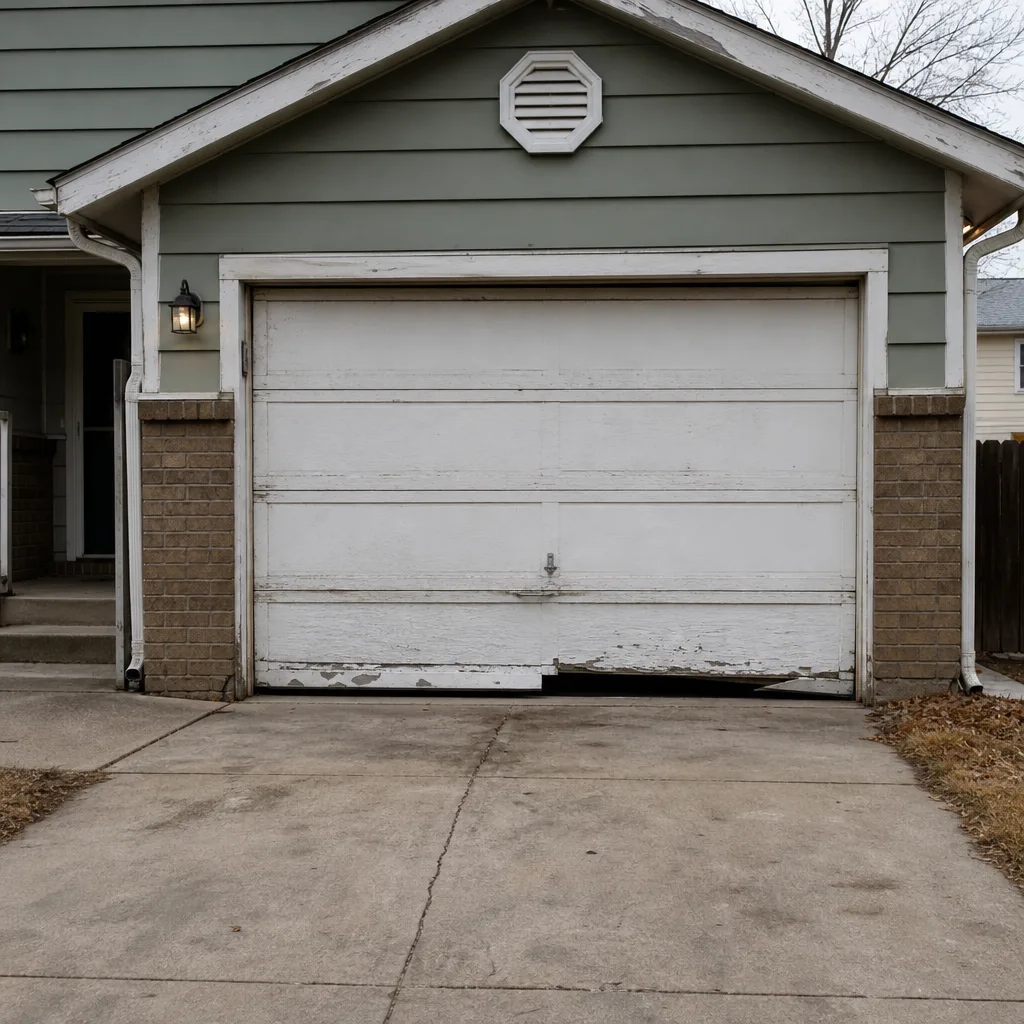 Before
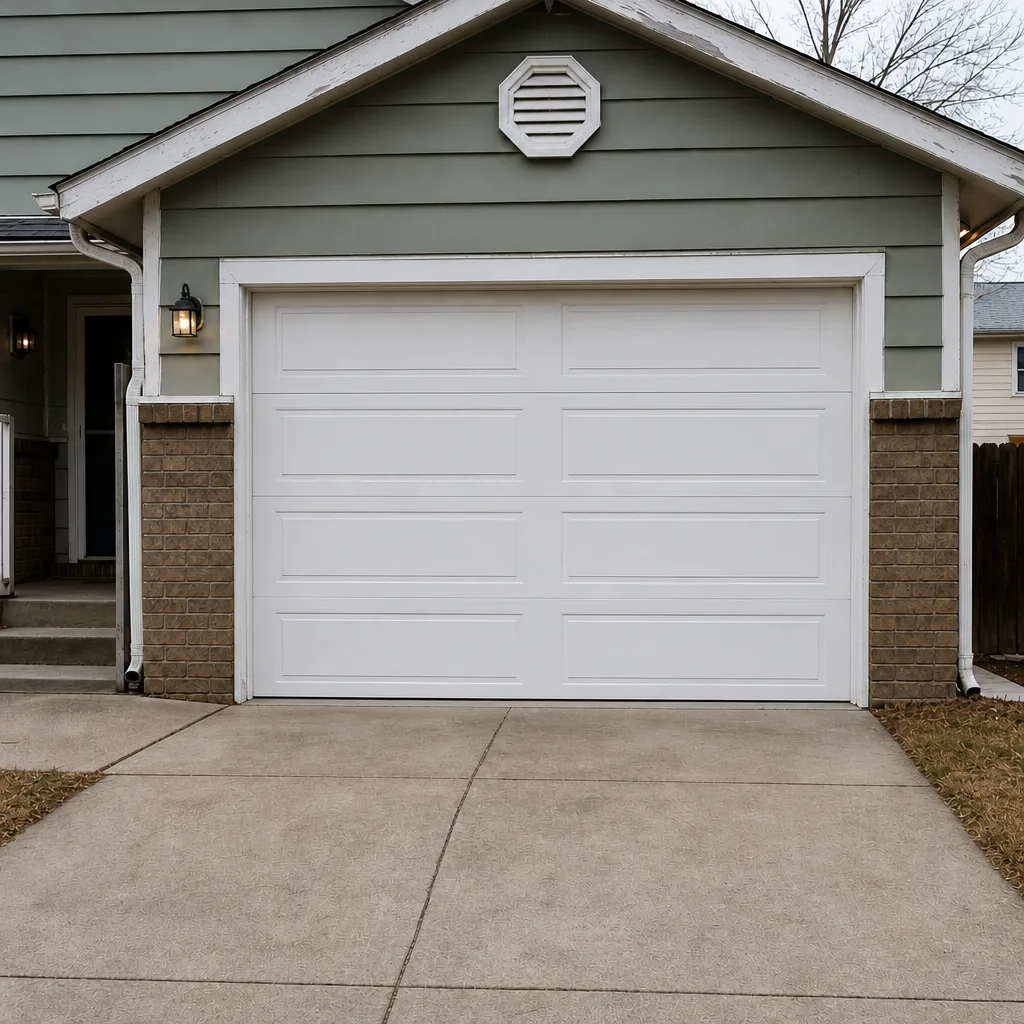 After
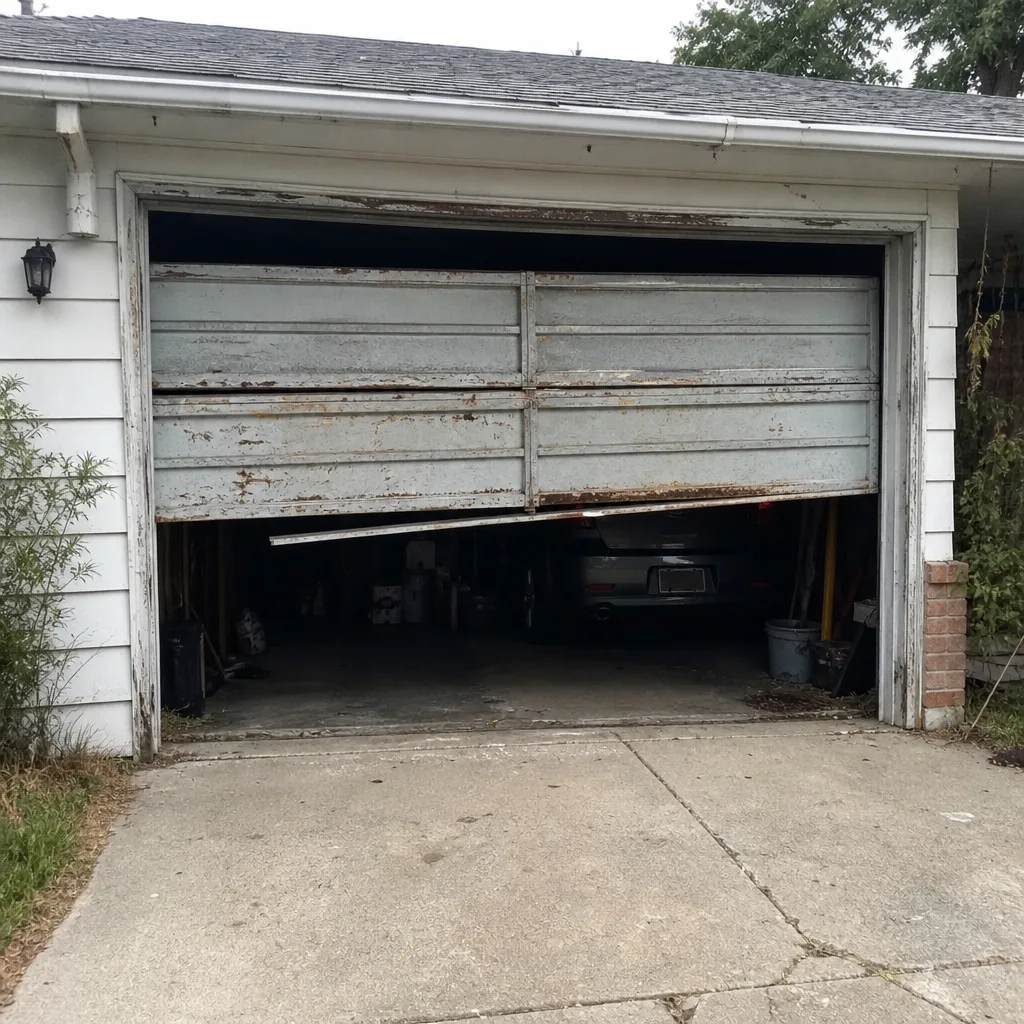 Before
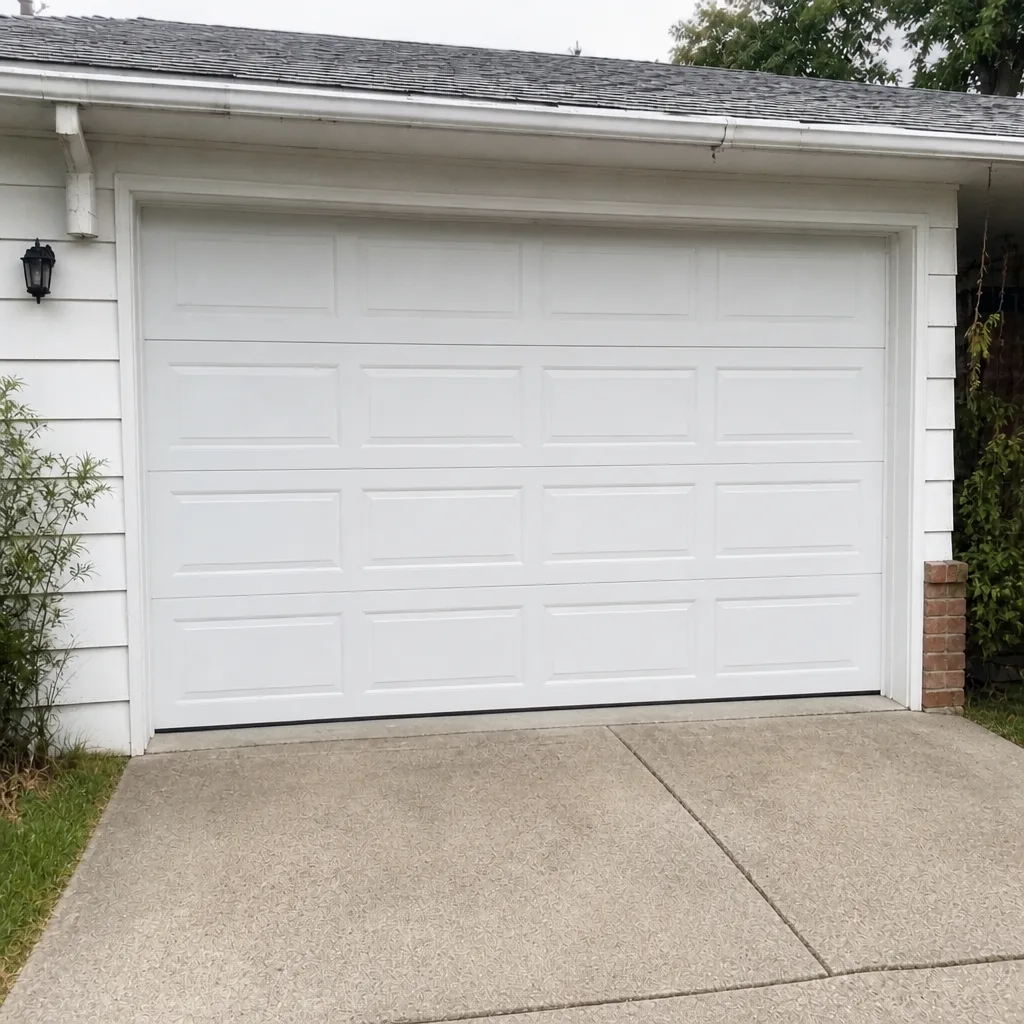 After
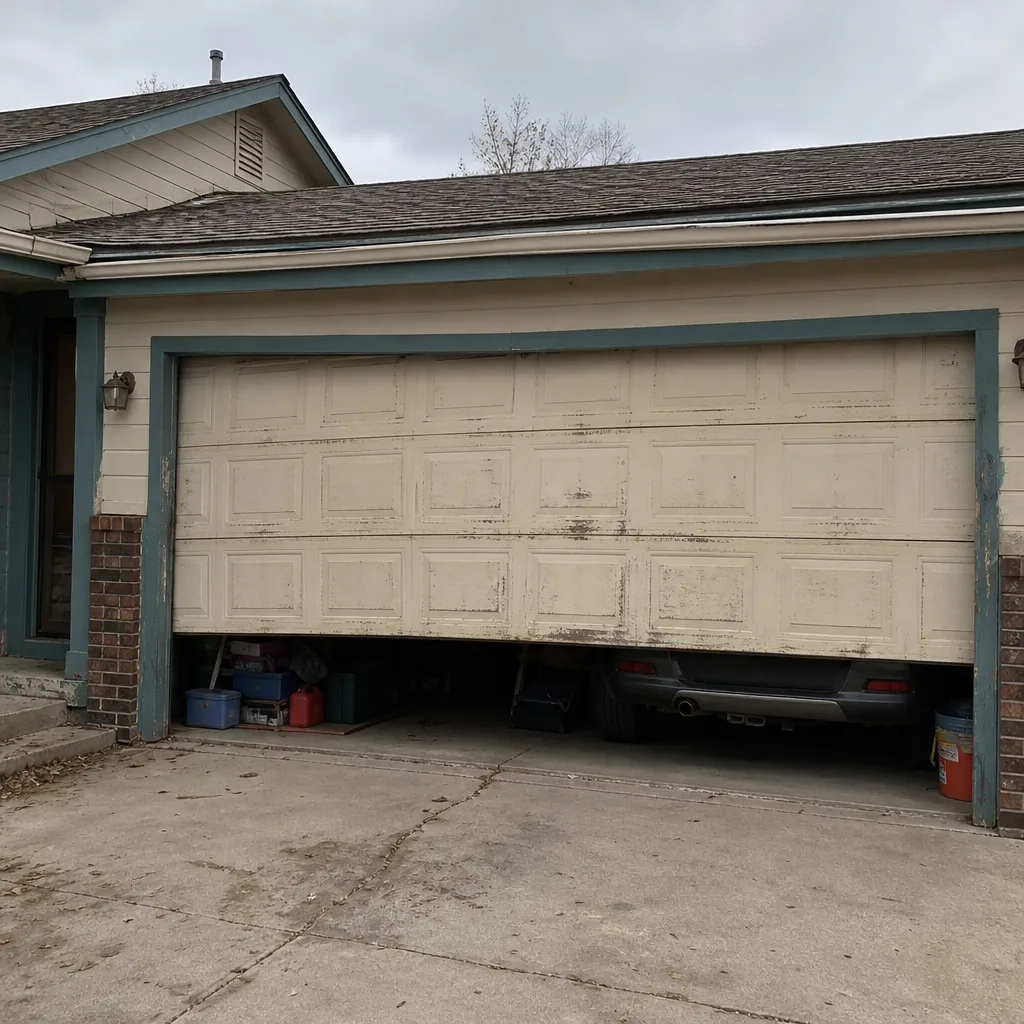 Before
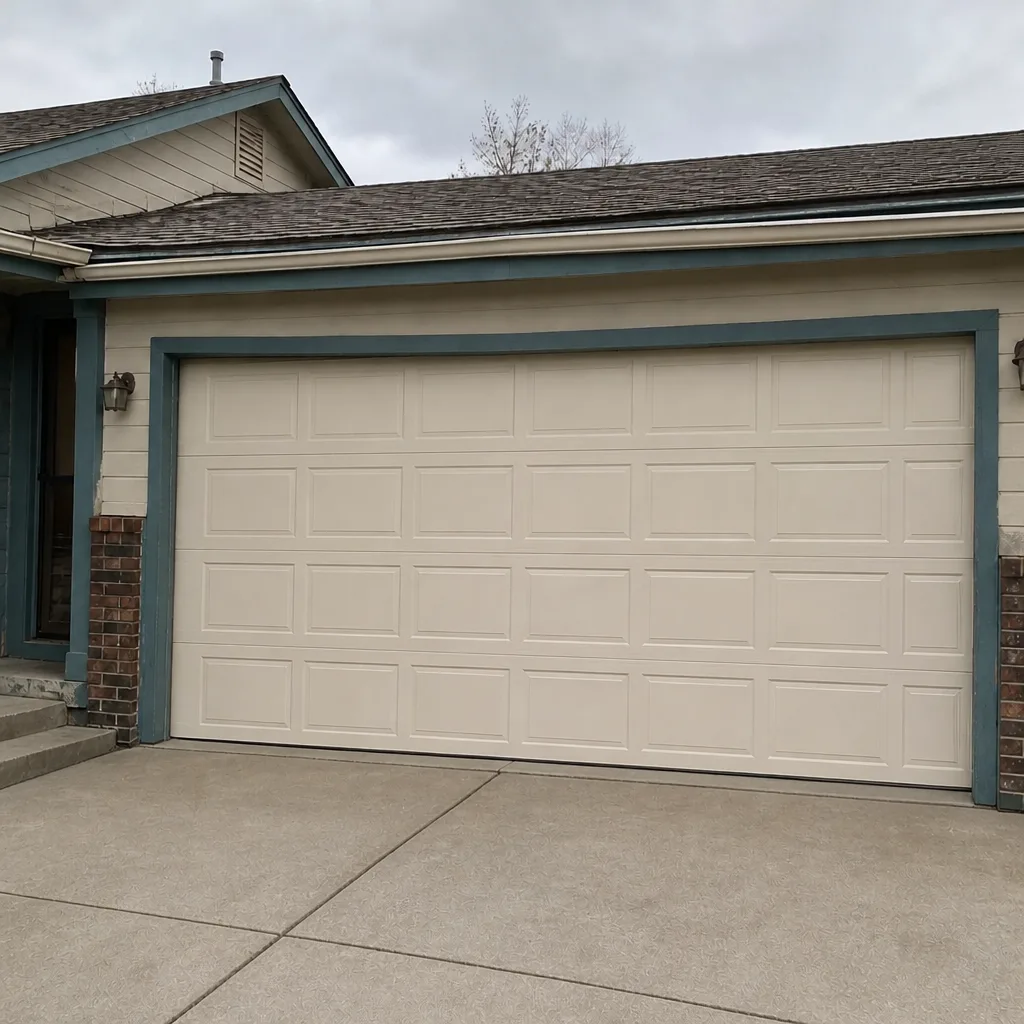 After
Frequently Asked Questions
A frayed cable or a popping torsion spring is the most serious warning sign. Both indicate a component under tension is about to fail, and a failure can drop the door with no notice. Stop using the door and book an inspection. Call (877) 419-7757 for an exact quote; estimates are free.
That pause is usually a force-limit issue, and the most common cause is a spring that has lost tension and is putting more load on the opener. It’s not a symptom you’d expect from a dying motor. A quick professional test of the spring tension and the force setting will tell you which component needs attention.
We don’t quote a spring price from the symptoms alone. The price depends on the type of spring (torsion or extension), whether it’s a single spring or a matched pair, and the door weight. A written estimate sets the price before any work starts. Call (877) 419-7757 for a free estimate on your specific door.
Yes. A door that’s stuck open or a door with a cable on the face is a same-day visit. We answer 24/7, and dispatch runs from 7am to 7pm Sunday through Friday. Call (877) 419-7757 and we’ll book the next available slot.
No. The written estimate you agree to before work starts is the price, and we don’t adjust it once the work is underway. If the inspection turns up an additional issue, you’ll get a revised written estimate to approve before anything else is done. Call (877) 419-7757 for a free estimate.
The local pro who performs the work is licensed and insured as their state requires, and we connect you to that vetted professional. Our technicians have up to 12 years of experience across LiftMaster, Chamberlain, Genie, Clopay, Amarr, Wayne Dalton, Craftsman, and Raynor systems. Call (877) 419-7757 for a free estimate.
The Bottom Line
Noise, cable wear, uneven movement, opener behavior, and the two Colorado-specific signs (frost on the panel interior and rust streaks at the hinge) each point to a specific component. That’s what turns a warning sign into a decision. The urgent ones are cables and popping springs. The scheduled ones are grinding, squealing, and rust. The gap test and the seasonal checklist catch most of what sits between. If any sign on this list has been bugging you, the cheapest move is a professional inspection now rather than a repair later. For Central Park homeowners who want the full picture on door and opener service in one place, Garage Door Repair Central Park is the place to start. Call (877) 419-7757 for a free estimate. We answer 24/7. Fast dispatch from 7am to 7pm, Sunday through Friday.
Written by the team at Garage Door Repair Central Park.