
Last updated November 22, 2026
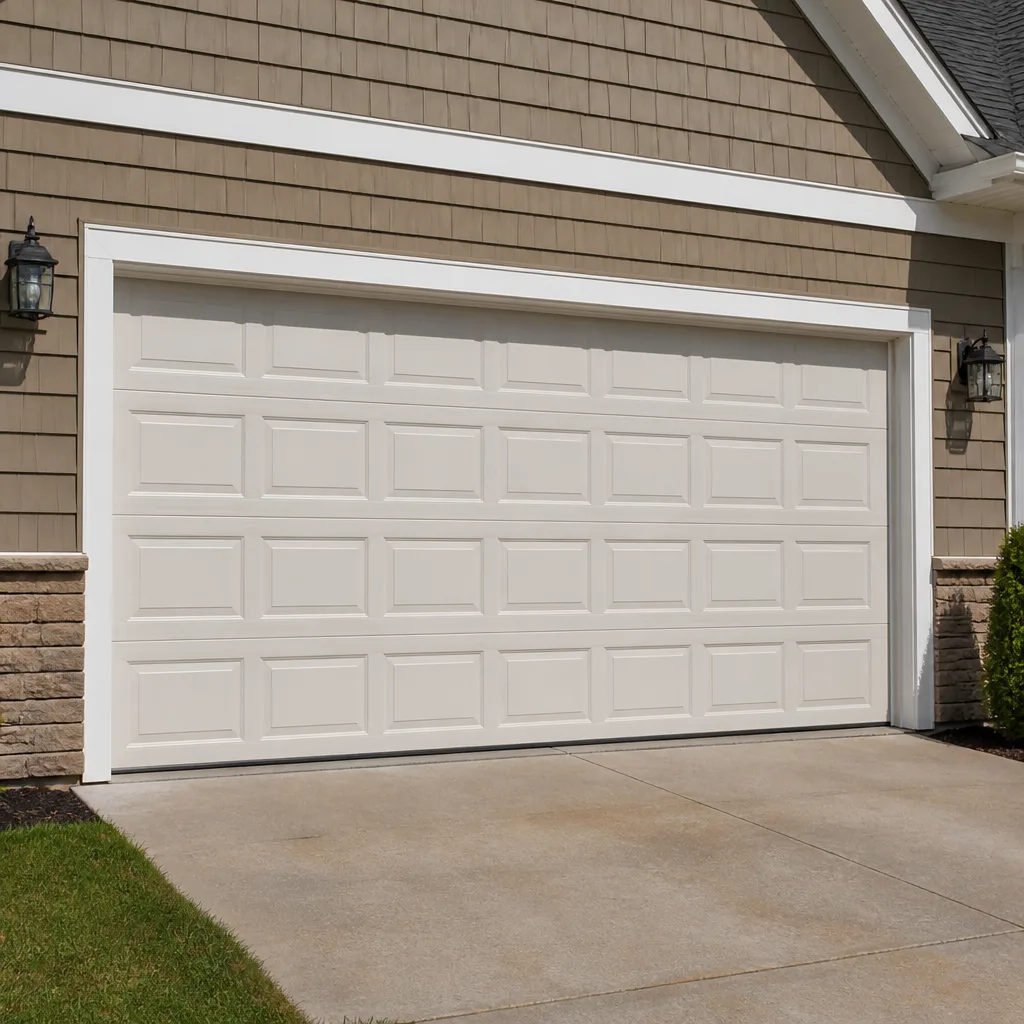 Raised-panel steel
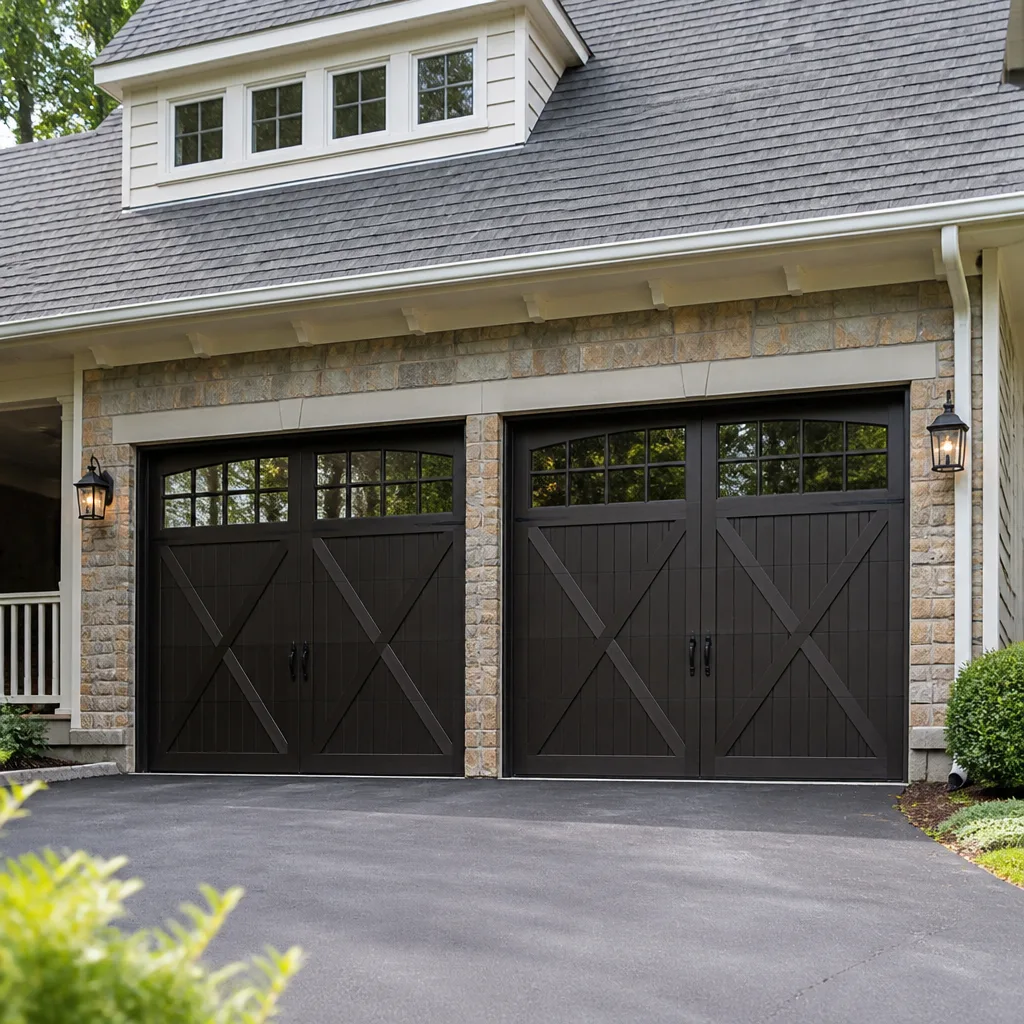 Carriage house
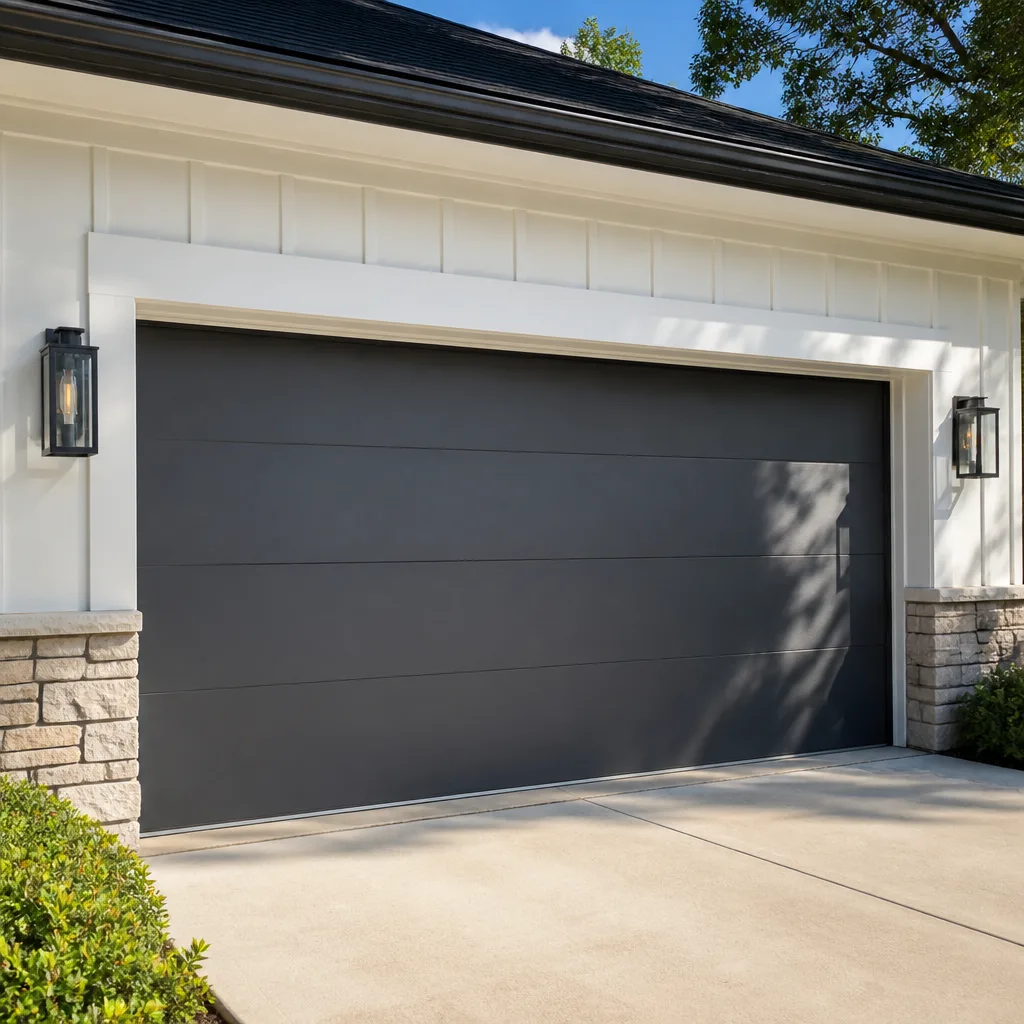 Modern flush
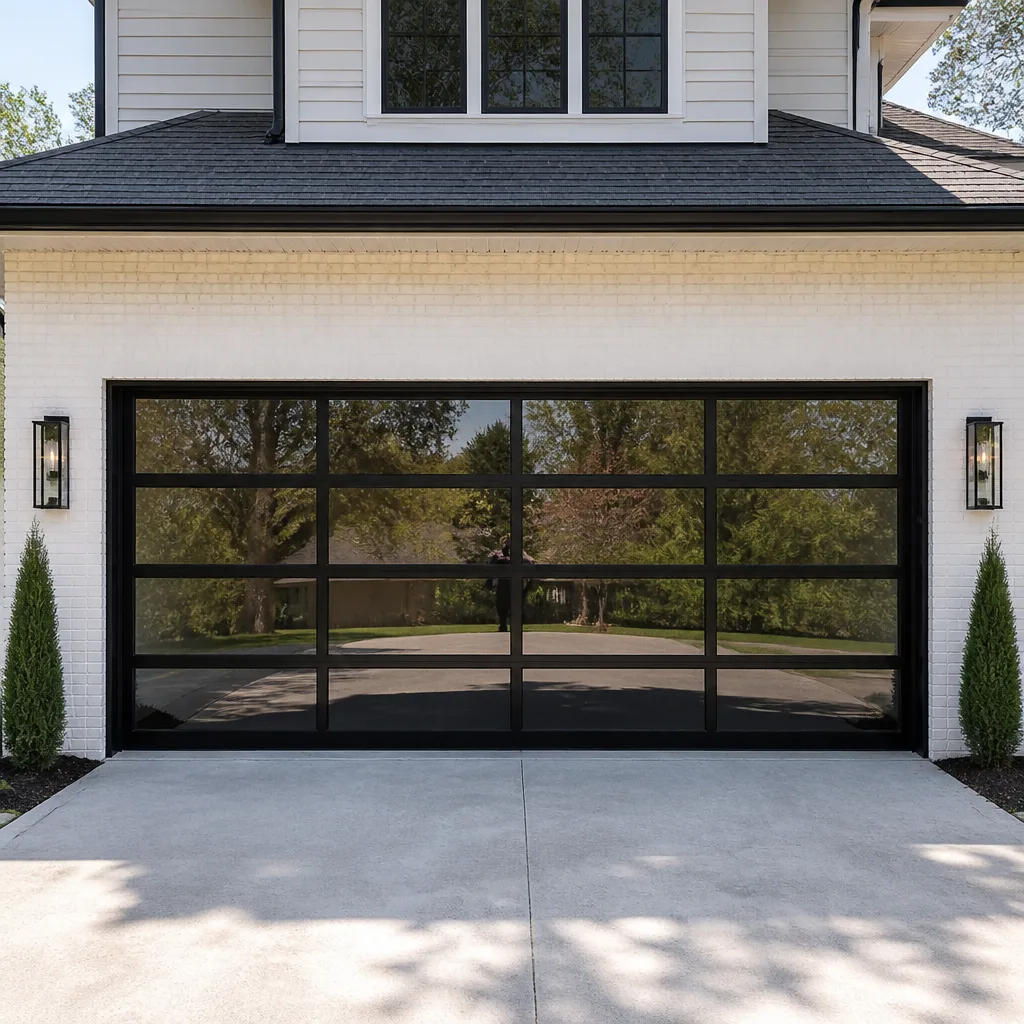 Full-view glass
 LiftMaster openers
 Chamberlain openers
Full 25-point door and opener safety check with every visit - springs, cables, rollers, tracks, and your LiftMaster or Chamberlain opener included
You get a price before we start. It does not change when the pro arrives.
Get your free estimateGarage Door Permits, Codes & Inspections in Central Park, CO: What You Need to Know
Most homeowners assume a garage door swap is a no-permit job, and often they’re right. But “often” isn’t “always,” and the exceptions in Colorado are specific enough that getting it wrong can follow the house for years. An unpermitted improvement can surface in a title search and stall or sink a sale long after the door is forgotten. This guide maps which garage door projects actually trigger permitting in the Denver and Aurora jurisdictions that cover Central Park addresses, how HOA design review runs alongside city review, and what to do if a past modification was never permitted. If you’re planning work in Central Park, CO, knowing which jurisdiction your address sits in is the first thing to sort out.
Quick Answer
A straight like-for-like garage door replacement in Central Park usually does not require a municipal permit, but structural changes do. Modifying the header above the opening, running a new electrical circuit for an opener, or replacing a fire-rated door between the garage and living space typically pulls the job into permitting territory, and which city reviews it depends on whether your address falls under Denver or Aurora. When in doubt, call your city’s building department before ordering the door.
Styles & brands we work with
- Raised-panel steel
- Carriage house
- Modern flush
- Full-view glass
- LiftMaster openers
- Chamberlain openers
Table of Contents
- Which Jurisdiction Covers Your Central Park Address?
- The Three Triggers That Require a Permit
- Fire Separation and the 2021 IRC Adoption in Colorado
- HOA Design Review vs. Municipal Permit: Two Separate Processes
- What an Inspection Actually Checks
- How to Retroactively Permit an Unpermitted Modification
- Choosing a Garage Door Specialist in Central Park
- Common Mistakes to Avoid
Which Jurisdiction Covers Your Central Park Address?
Central Park sits on ground that was once the Stapleton airport site, and it’s stitched together from parcels that didn’t all land in the same city. Some blocks are addressed through Denver, others through Aurora. That split isn’t trivia: it decides which building department you call, which permit application you file, and which inspector shows up.
Why it matters for garage doors comes down to how each jurisdiction writes its own permit thresholds and how strictly it applies them. A scope of work that slides under one city’s minor-repair line may need a filed permit in the other. The only reliable way to know is to confirm your address with the department that has jurisdiction over it.
Here’s how to pin it down:
- Check the address on your property tax or title documents. That’s the legal address of record, not the one on your mail.
- Look up the parcel on the county assessor’s site. The taxing authority tied to the parcel tells you which city’s records you’re filing against.
- Call that city’s building department and describe the scope in plain words: door replacement, opener swap, header work, or new circuit.
- Ask specifically whether a permit is required and, if it is, what the application needs.
We work on doors on both sides of that line, and the practical difference is real: the paperwork, the inspection scheduling, and the review timelines aren’t the same. A technician who already knows the brand and model of your door and opener – say a LiftMaster opener paired with a Clopay door – can describe the scope precisely so the department gives you a clear answer instead of a hedged one.
Ask the department for the answer in writing, even if it’s just an email reply. Having that in hand protects you when the work is done and you’re eventually asked to explain an improvement.
The Three Triggers That Require a Permit
A direct replacement of a garage door in the same opening, same size, same type, is the routine case that usually doesn’t need a permit. Three specific changes are different. Each one alters the structure or systems of the house rather than just the door, and each one typically pulls the job into permitting.
1. Structural header modifications
The header is the beam that carries load across the top of the garage opening. Enlarging the opening, raising its height, or widening it for a different door requires work on that header, and that’s structural. It usually needs an engineer’s detail or the city’s prescriptive path, a filed permit, and inspection before the door goes on. Guessing the sizing is a bad idea; the load has to be carried correctly.
2. New rough-in for electrical (new opener circuit)
If your garage had no opener and you’re adding one that needs a dedicated circuit run from the panel, that’s new electrical work. A circuit extension, a new outlet for the opener, or new wiring to a wall control runs through the electrical permit process in most jurisdictions. Replacing a plug-in opener that already has power is usually not the same thing. Check before you assume.
3. Fire-rated door replacement between garage and living space
The door between an attached garage and the house isn’t a normal interior door. It’s a fire separation requirement, and it’s the most frequently overlooked one. Swapping it for a standard hollow-core door to save money cancels the protection the code is there for. Fire-rated replacements in that position often have their own documentation requirements with the department.
For the door itself, a garage door swap with no structural change is usually a straightforward replacement. If you’re weighing the scope of what you want done, our page on garage door installation covers what the job involves from measure to finish.
Fire Separation and the 2021 IRC Adoption in Colorado
Colorado’s move to the 2021 International Residential Code sharpened attention on fire separation between attached garages and living space. The code treats the garage as a place where a fire can start and requires a barrier protecting the house from it. The garage door between the two is part of that barrier, and so is the wall assembly around it.
In practical terms, for Central Park homeowners, that means:
- The door between the garage and the house must be fire-rated, not a standard interior door, and it must be self-closing and self-latching so it’s closed when it matters.
- If you’re replacing that door, match the rating the old one carried and keep the documentation. If you’re not sure what the rating was, ask the building department what it expects in that position.
- Penetrations through the wall or ceiling between garage and house – for wiring or anything else – should be sealed. An opener circuit run through that wall is the kind of thing that needs to be done correctly.
This is a safety matter, not a paperwork one. The separation buys time if a vehicle fire starts in the garage, and a cheaper door in that position quietly removes it. When you’re choosing a replacement door, don’t let cost alone decide the fire-rated garage-to-house door. For the overhead door itself, standard residential options in Clopay and Amarr lines are common in Central Park, and a specialist can tell you which builds match your opening and your opener.
One reliable habit: photograph the label or stamp on the current door before it comes out. If you’re ever asked to prove the barrier was maintained, you have it.
HOA Design Review vs. Municipal Permit: Two Separate Processes
They run on parallel tracks, and neither one is the other. The city cares whether the work is safe and code-compliant. The HOA cares whether the door matches the look of the neighborhood. You can satisfy one and still be out of compliance with the other.
Central Park’s HOA design review is where people get tripped up. A door that is perfectly legal and correctly installed can still be rejected for the wrong color or panel style. A door the HOA loves can still need a city permit if the header is changing. Both need to be cleared before the door goes on.
A sensible order of operations:
- Read your HOA’s design guidelines for garage doors. Look for approved colors, panel styles, and window options.
- Submit the design review request with the door specs and color. Get written approval before you order.
- Only then confirm with your city’s building department whether the install needs a permit.
- If a permit is required, file it and get any inspection scheduled for the right point in the job.
- Keep the HOA approval, the permit, and the inspection sign-off together with your home records.
The timelines are separate, and the HOA review often takes the longer path. Submit it early so the two processes aren’t racing each other while your garage sits open.
What an Inspection Actually Checks
If your project needs a permit, an inspection is part of the process. The inspector isn’t grading the aesthetics of the door. They’re checking that what was built matches what was approved and meets code.
The list generally covers:
- The structure: that any header or framing work matches the approved plans and is sized correctly for the opening.
- The electrical: that new wiring for an opener circuit was done to the electrical code for your jurisdiction.
- Fire separation: that the garage-to-house door is the rated type and self-closes and self-latches as required.
- The door and opener as installed: that the door is secure, the springs and cables are correctly tensioned, and the opener’s safety features are working. A garage door is a moving mechanical system, and the inspector will check it’s not a hazard.
Have your paperwork ready before the inspector arrives: the permit number, the approved plans, and the door and opener documentation. On the day, the technician who installed the door should be the one who can answer questions about the setup. If you have a LiftMaster or Chamberlain opener and the inspector asks about the safety sensors or the reversing behavior, the answer should be immediate, not “let me check.”
If the inspector flags something, it’s fixable and getting it fixed is what the re-inspection is for. What you can’t fix is a job that was never inspected because it was never permitted.
How to Retroactively Permit an Unpermitted Modification
If you’re preparing to list a home in Central Park and you know a past garage door change was made without a permit, this is the section to read. Unpermitted work turns up in title searches, and it can delay or derail a sale. Sorting it out before the listing goes live is far easier than sorting it out at the negotiating table.
The process is the same as if you were doing the job now, with a twist:
- Get a clear description of the existing work: opening size, header condition, door type, electrical, and the garage-to-house door if it was touched.
- Call the building department and say plainly that the work exists and was done without a permit. Ask how they want to handle it.
- File the permit application for the existing work. Some jurisdictions call this a permit for existing construction; the name varies, the intent doesn’t.
- Have the work inspected. If something doesn’t meet code, it will need correction or documentation, and a handful of jobs are exactly that straightforward.
- Get the sign-off and keep it with your closing documents. Disclose the permit history accurately when you sell.
Costs vary too much by jurisdiction and by what has to be corrected to give a useful number here, so get a quote from the department before you commit. What we do see is that the paperwork itself is usually the small part. The work that needs correcting is where the real cost lives, and it’s worth getting a specialist’s eyes on the door and opener system before the inspection so there are no surprises.
Choosing a Garage Door Specialist in Central Park
A garage door is a mechanical system with springs under high tension, cables, tracks, rollers, and an opener with safety reversing features. It isn’t a job for a general handyman, and it isn’t a job where brand familiarity is optional. The door and the opener are two different systems from two different manufacturers, and a specialist works on both.
When you’re choosing who does a permitted or inspected job in Central Park, look for these signs:
- They know your brand. A specialist works on the major door and opener brands, so they aren’t learning on your door. LiftMaster, Chamberlain, Genie, and Craftsman cover most openers in the neighborhood, and Clopay, Amarr, Wayne Dalton, and Raynor cover most doors.
- They can describe exactly what a job entails. A detailed description of the door, opener, and any structure or wiring work is what the permit department and the inspector need. A company that can’t tell you the specifics will struggle to get a permit approved.
- They take spring safety seriously. Springs are the most dangerous part of a garage door. When a spring fails, leave it alone and call a specialist.
- They give you a written price before work starts. The quote is agreed before anything is touched, and that’s how you know the invoice won’t be a surprise.
For the routine repair side, our garage door repair page covers what we handle in the neighborhood, and the opener side is covered on our garage door opener repair page.
Our technicians have up to 12 years of experience with the brands above. We answer 24/7 and dispatch from 7am to 7pm, Sunday through Friday. If your door fails or your opener quits, call us at (877) 419-7757.
Common Mistakes to Avoid
- Assuming a door replacement never needs a permit. It usually doesn’t, but a header change is a different job. The permit question isn’t about whether a door is being swapped; it’s about whether the structure or the electrical changes.
- Filing the HOA request last. Central Park’s design review runs parallel to city permitting and often takes longer, so filing it after the door is ordered can leave you with an approved install and an unapproved look.
- Swapping the garage-to-house door for a standard one. A hollow-core door in a fire separation position changes the safety profile of the whole attached garage, and an inspector will notice it. Match the rating of the original.
- Not knowing which city has your address. On the split between Denver and Aurora, filing in the wrong jurisdiction is a paperwork problem that’s easier to avoid than to unwind. Verify the parcel first.
- Leaving an unpermitted past change in place until you sell. A title search will surface it eventually. Permitting it retroactively before listing is the calmer path.
- Letting a generalist handle springs or a header. Springs are under real tension and a header carries load. Both are specialist territory, and a general handyman isn’t the right call.
- Accepting a verbal “that doesn’t need a permit.” Get the department’s answer in writing. An email is enough to protect you years down the line.
See the difference
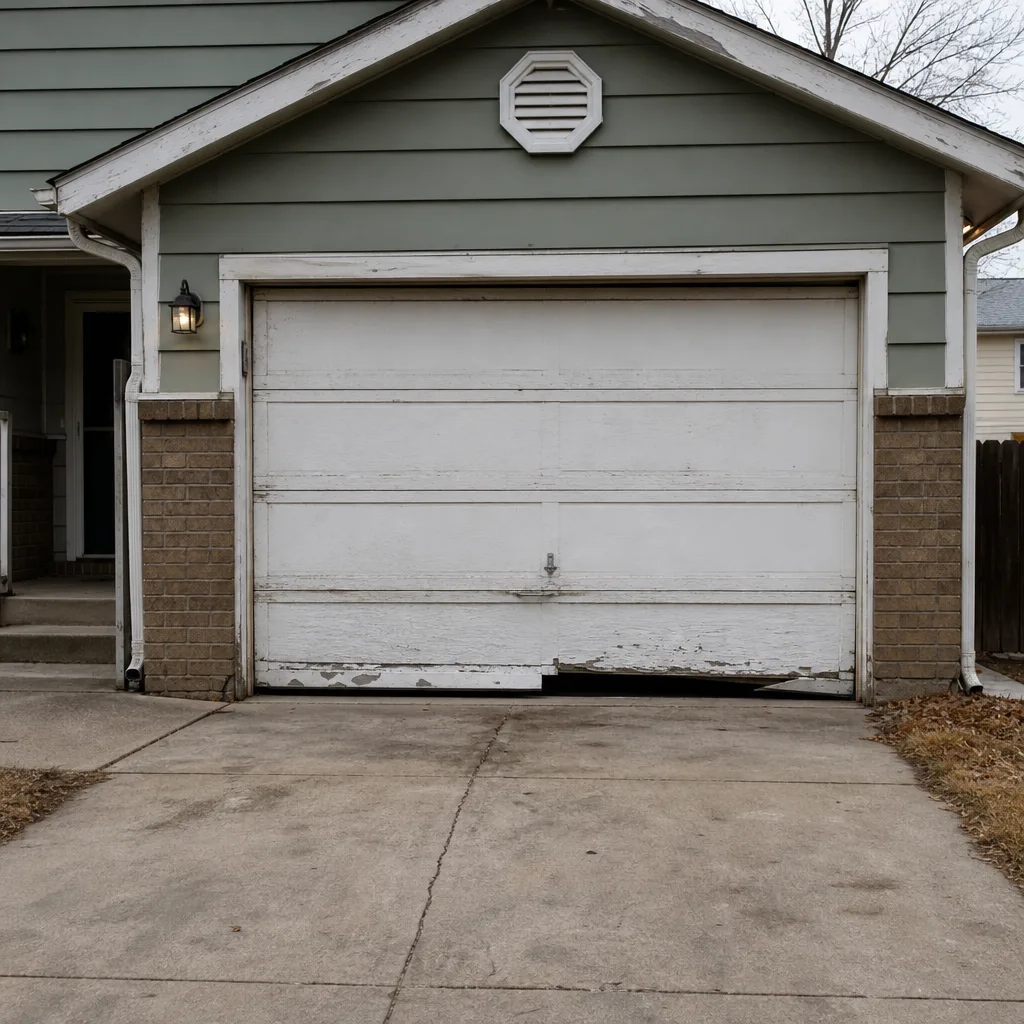 Before
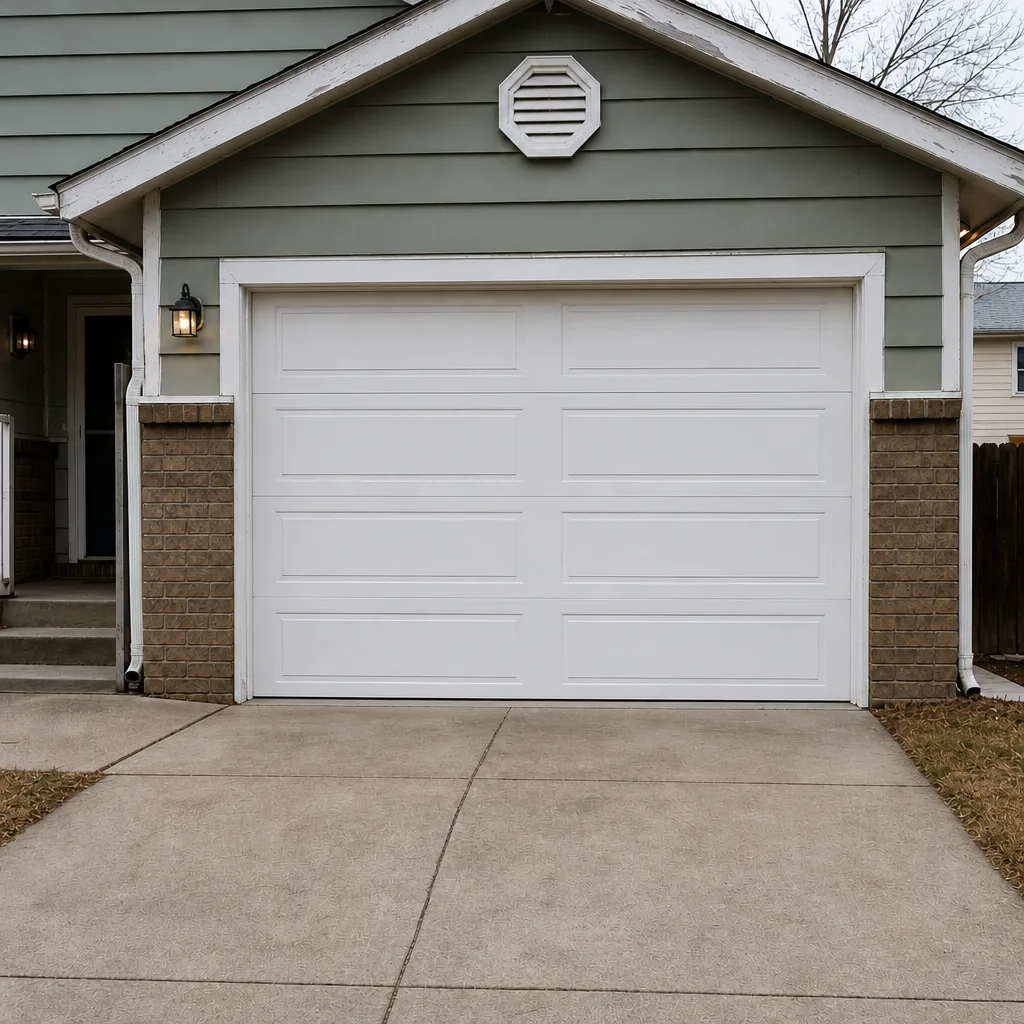 After
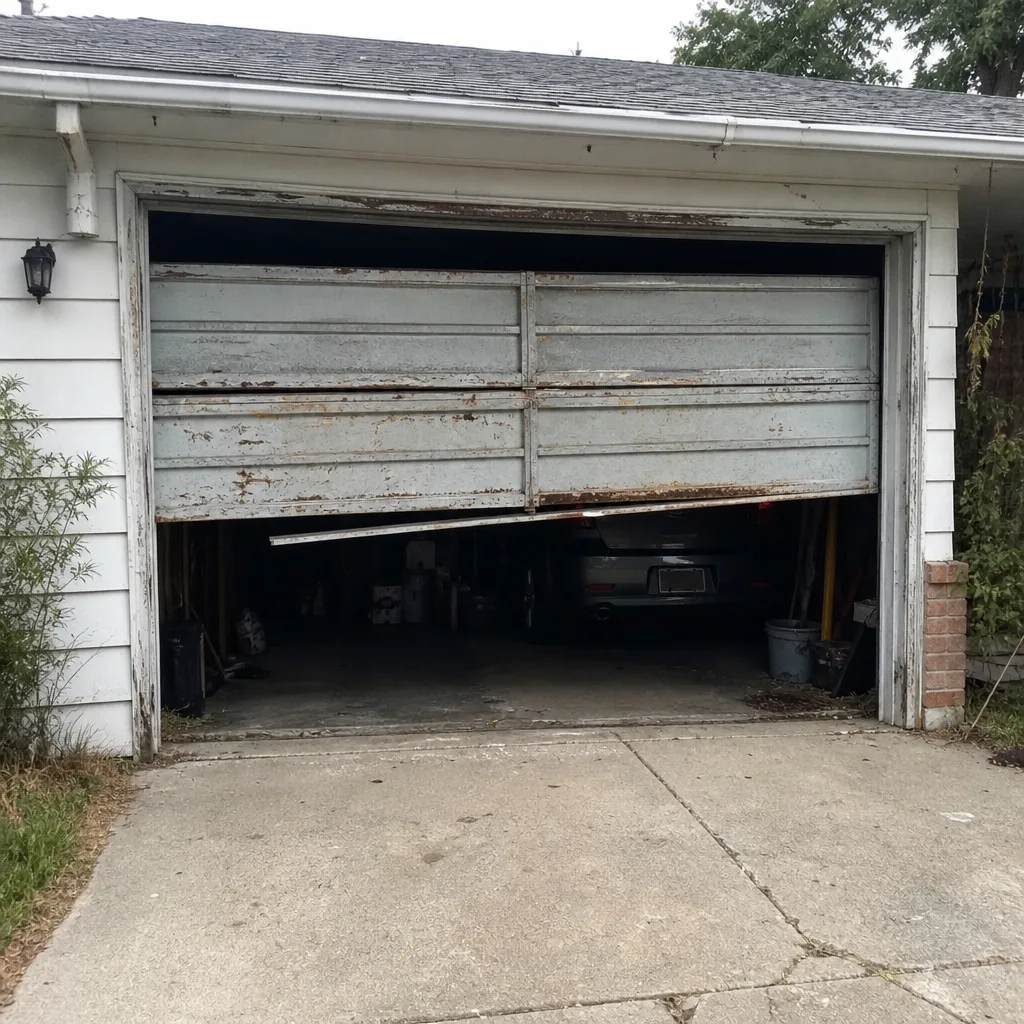 Before
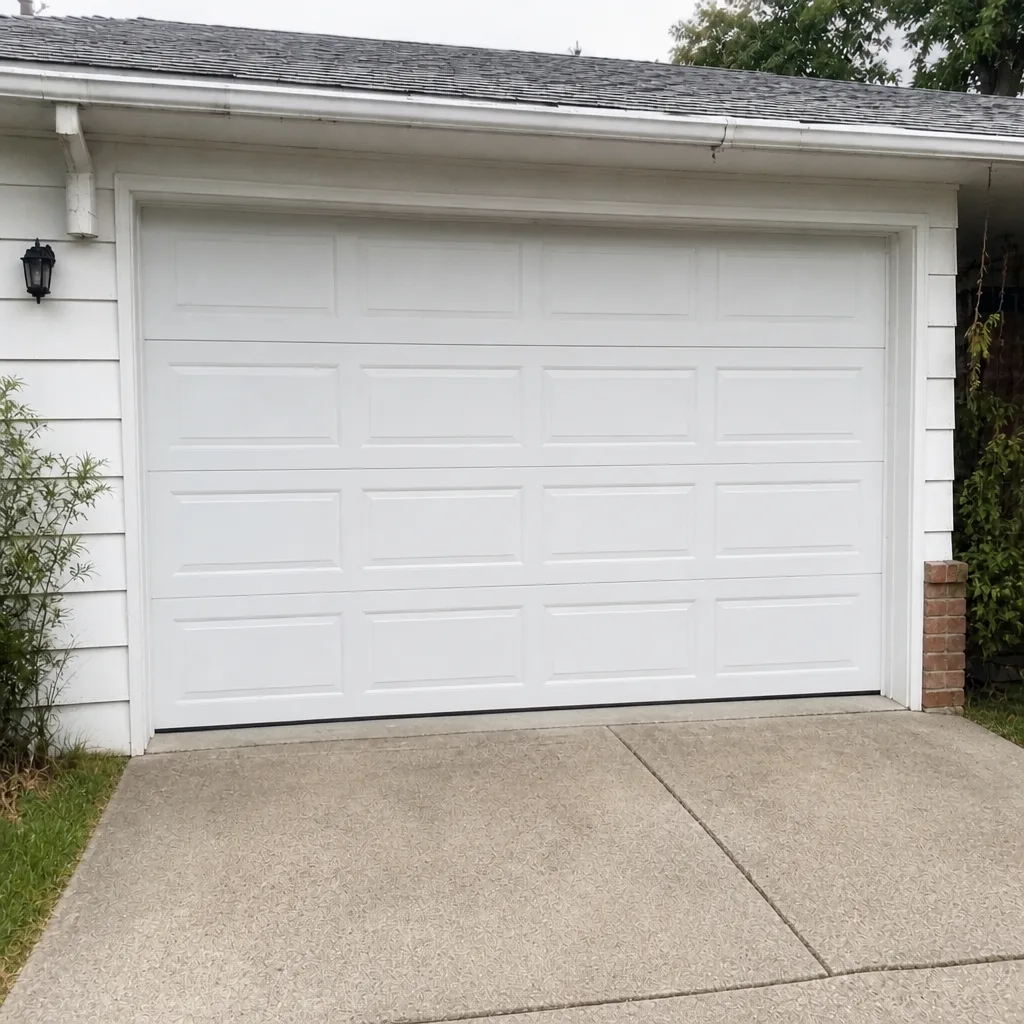 After
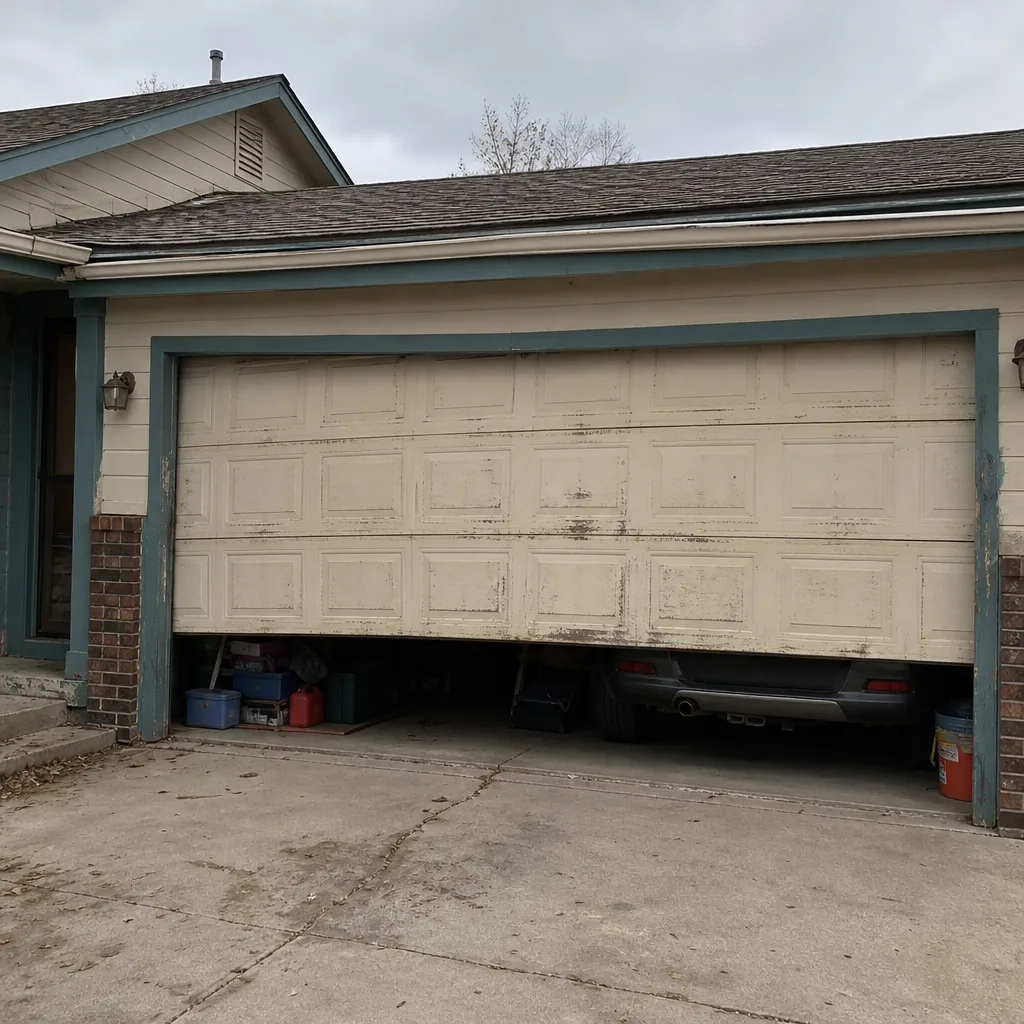 Before
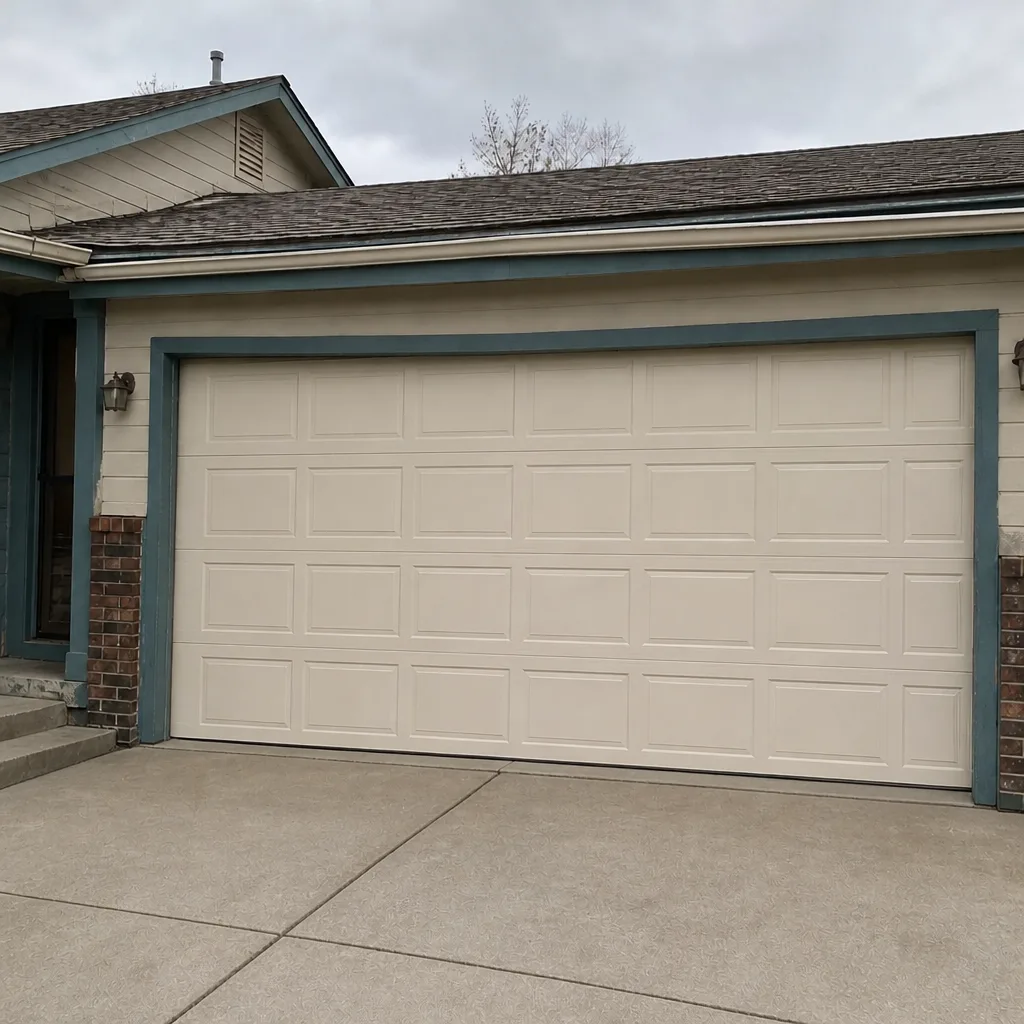 After
When to Call a Professional
Call a specialist when the door won’t open or close evenly, when a cable is visibly slack, when the opener’s safety sensors won’t stay aligned, or when one side of the door catches on the floor. Call immediately when a spring is broken or a door is hanging – springs are under high tension and handling them without the right knowledge is the part of this trade where people get hurt. Call before ordering a replacement door if you’re unsure whether the opening needs structural change; a specialist can tell you what the job actually involves so you know whether a permit sits in front of it. And if you’re going to sell a Central Park home and suspect past garage door work was never permitted, call before the listing goes live.
Garage Door Repair Central Park offers free estimates in Central Park. Call (877) 419-7757. We answer 24/7. Fast dispatch from 7am to 7pm, Sunday through Friday.
Frequently Asked Questions
In most cases, no. A straight replacement in the same opening with the same door type and size usually doesn’t need a municipal permit. You do typically need one if the job changes the header, adds a new opener circuit, or replaces the fire-rated door between the garage and the living space. Confirm with the building department for your address, since Central Park has blocks in both Denver and Aurora.
It depends on which parcel your address sits on, since Central Park spans ground in both Denver and Aurora. Check your property tax or title documents, look up the parcel with the county assessor, and then call the building department for that city. For a higher-stakes job like header work, getting the right department up front saves a lot of back-and-forth.
Unpermitted work can show up in a title search and can delay or derail a sale. The cleanest route is to permit the existing work retroactively before listing, so the paperwork is complete and the improvement is on record. Call the building department, describe what exists, and ask how they want it handled.
No, they’re separate processes with separate timelines. The HOA reviews the look of the door – color, panel style, window options – while the city reviews the safety and code compliance of the work. You often need to clear both, and the HOA review usually takes longer, so submit it first.
In an attached garage, yes. Under Colorado’s 2021 IRC adoption, the door between the garage and the living space is part of the required fire separation, and it needs to be the rated type with a self-closing and self-latching mechanism. A standard interior door in that position doesn’t meet it.
It can, but the electrical work and the installation both need to meet code. An opener on a new circuit that was run without a permit is a common snag. Having the door and opener documentation ready, and the safety reversing features working correctly, is what gets an inspection signed off. If the work was done by a specialist familiar with your brand, the answers are easier.
We can describe the scope precisely so you get a clear answer from the department, and we can do the work to whatever standard the inspection requires. We can’t file the permit on your behalf or tell you what the department will decide. The written answer from the city is the one that protects you.
Call (877) 419-7757 for a free estimate. We answer 24/7. Fast dispatch from 7am to 7pm, Sunday through Friday. For general repair questions in the neighborhood, see Garage Door Repair Central Park.
The Bottom Line
Most garage door replacements in Central Park are the no-permit case, but the three exceptions – header work, a new opener circuit, and the fire-rated garage-to-house door – are the ones that matter for safety and for a clean sale. Which city reviews your project depends on which parcel your address sits on, and the HOA runs alongside the city on a separate track. Be honest about past work and permit it retroactively before you sell. If you’re unsure, ask the building department in writing, and get a specialist who knows your brand to do the job to the standard the inspector expects.
Written by the team at Garage Door Repair Central Park.