
Last updated November 22, 2026
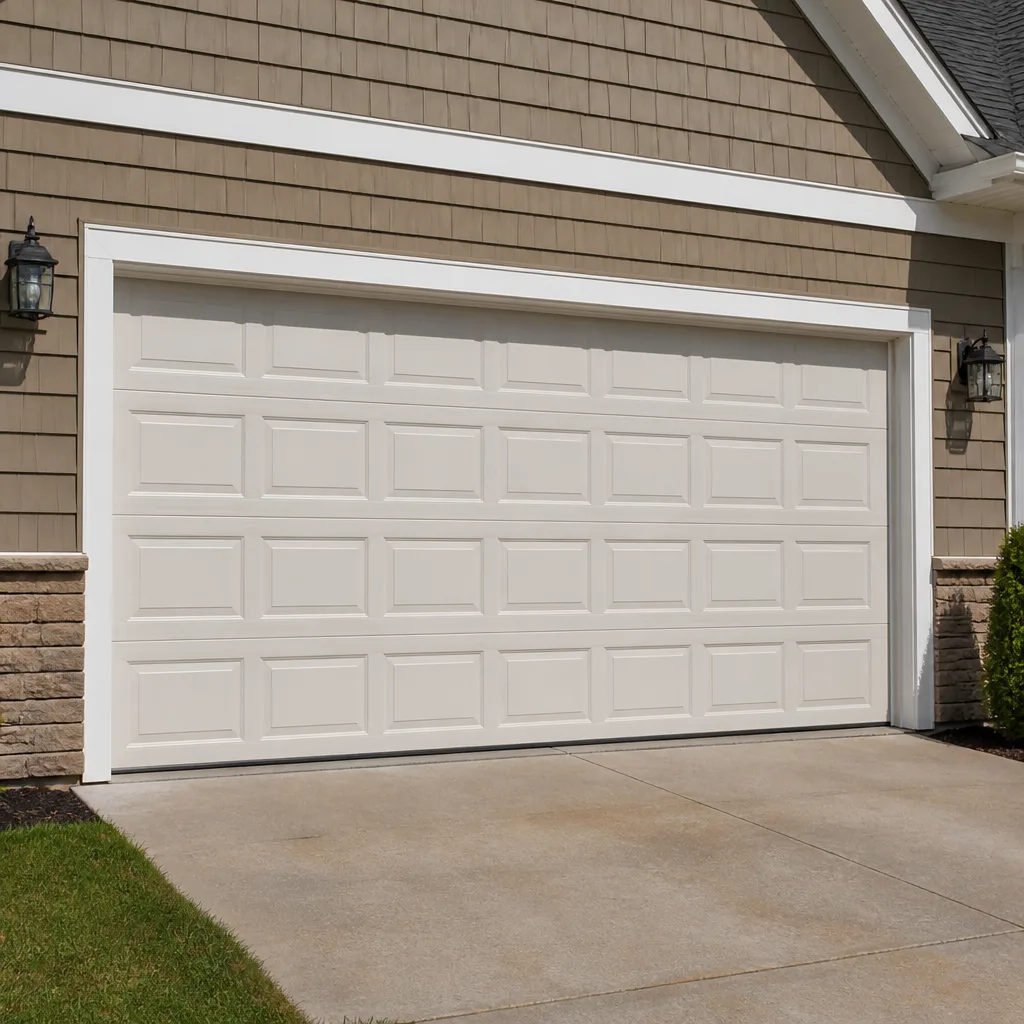 Raised-panel steel
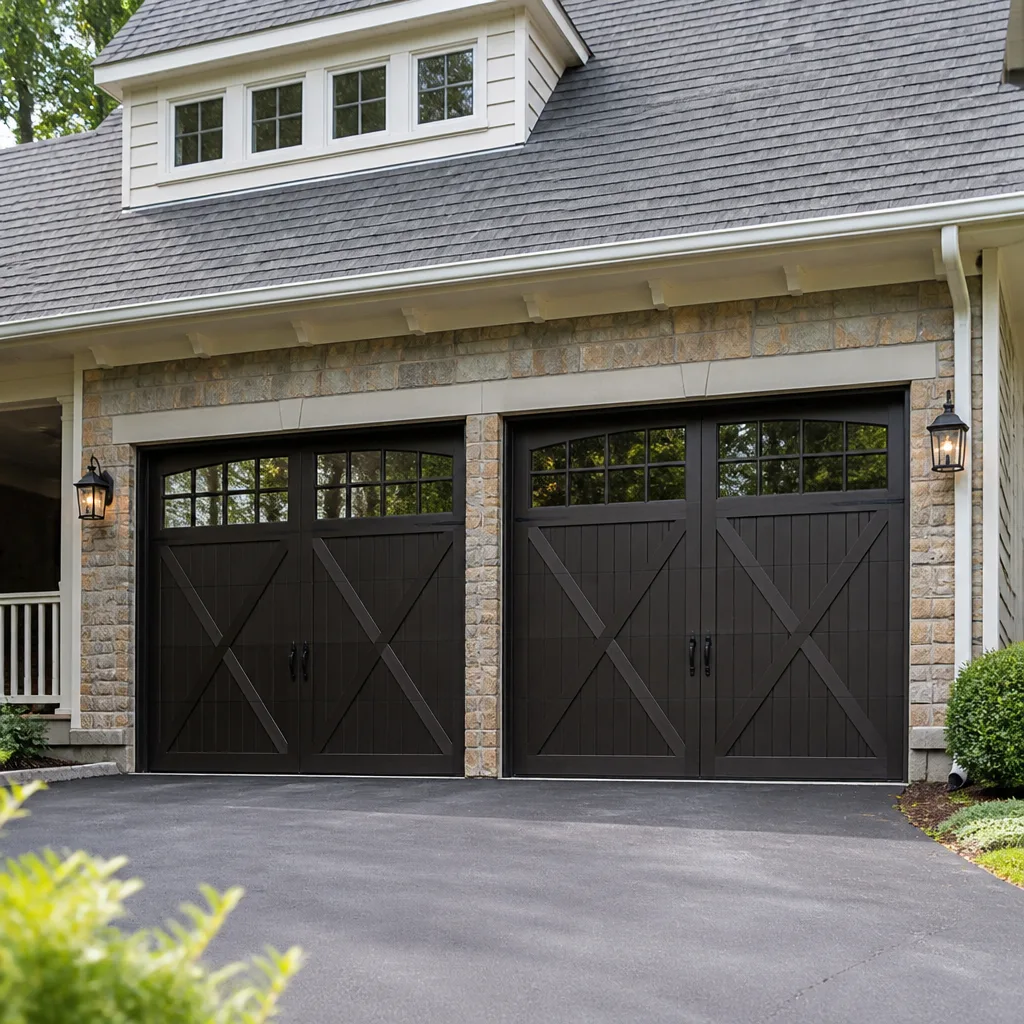 Carriage house
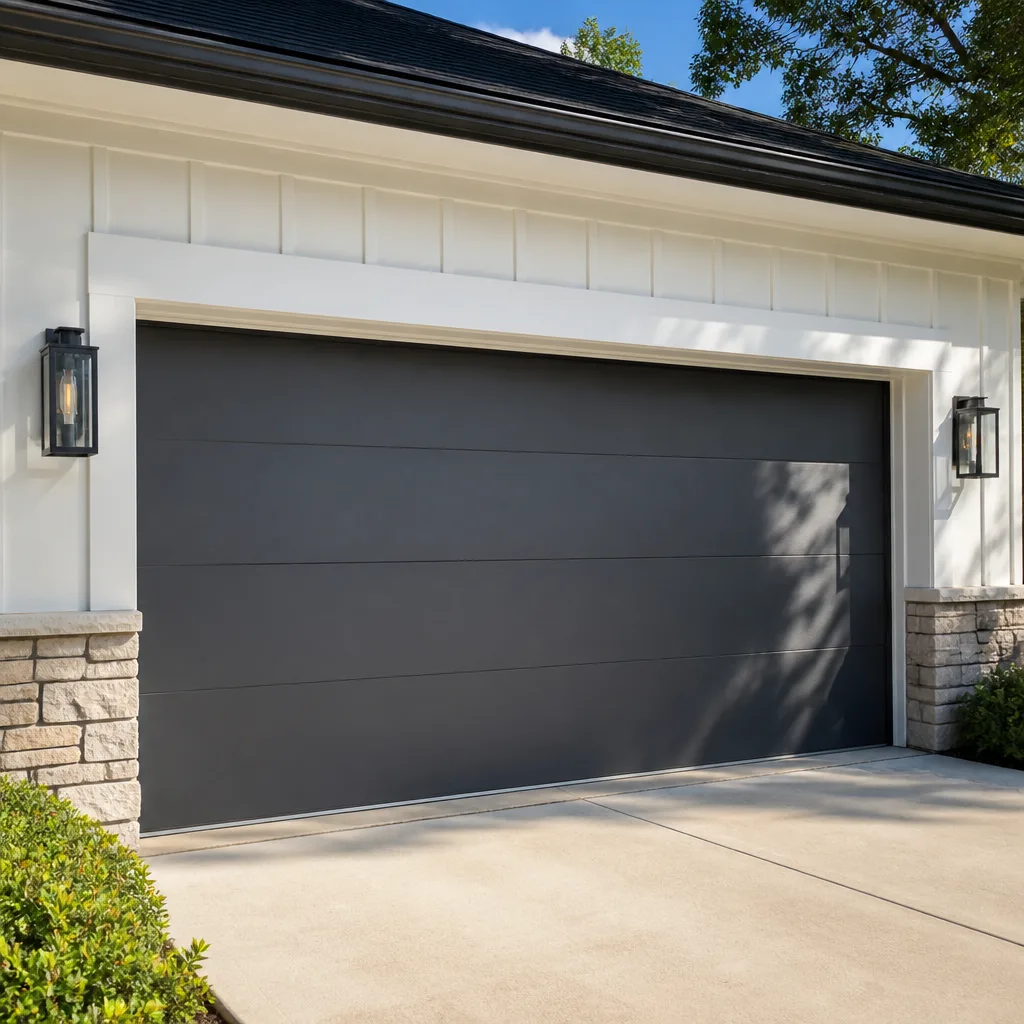 Modern flush
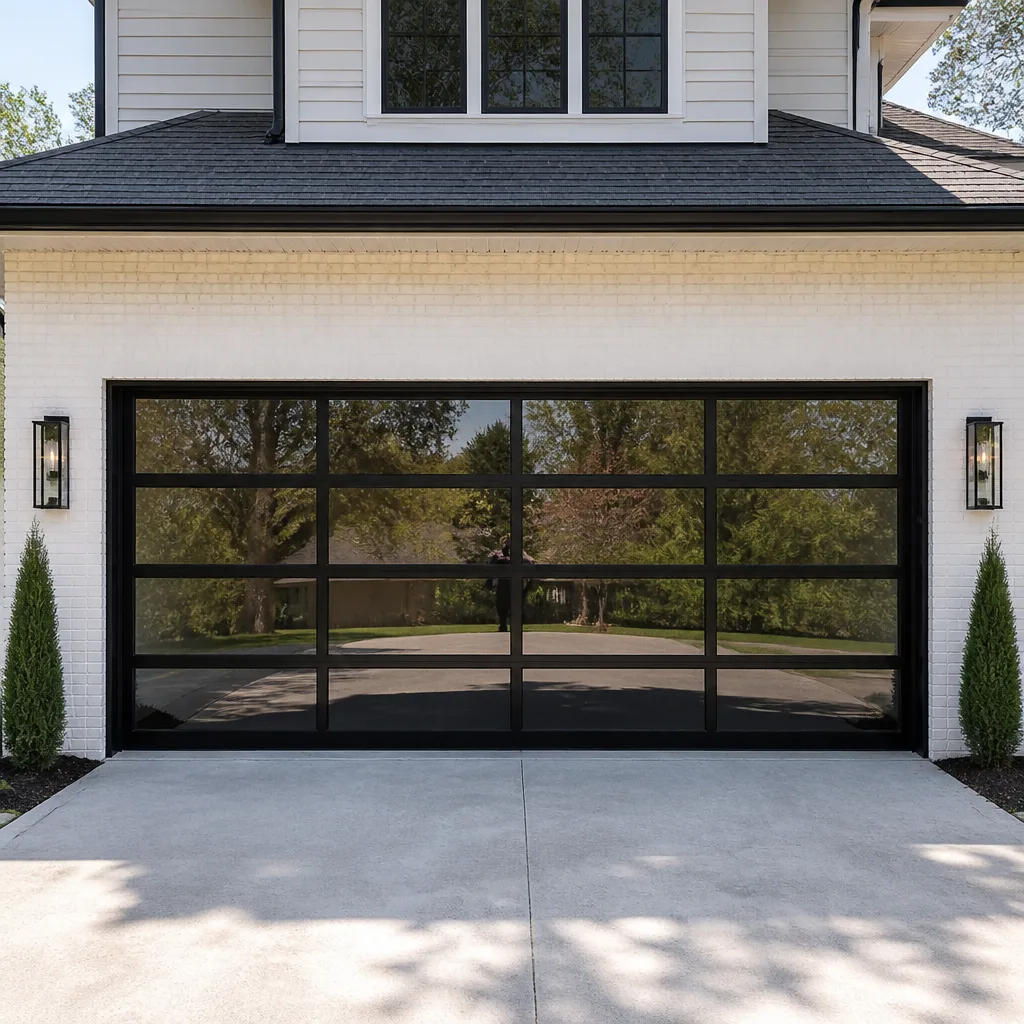 Full-view glass
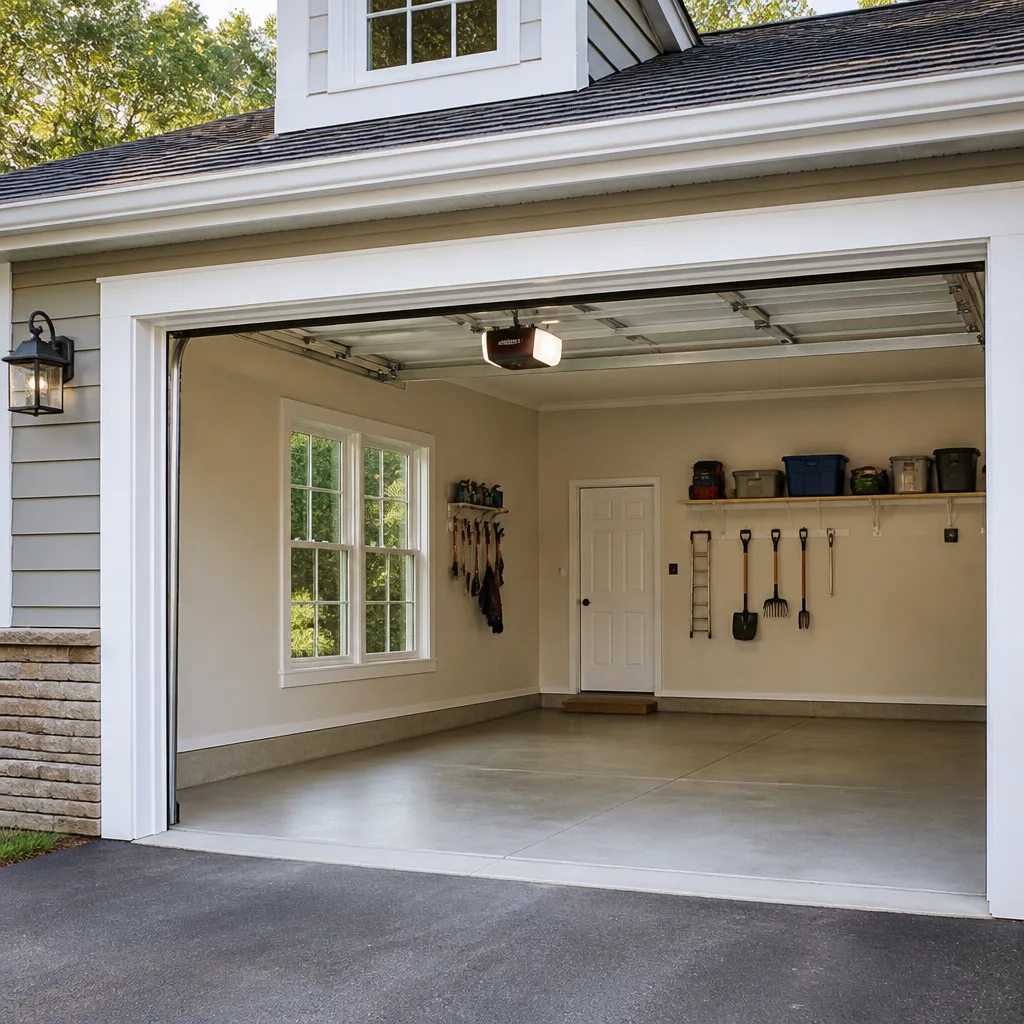 LiftMaster openers
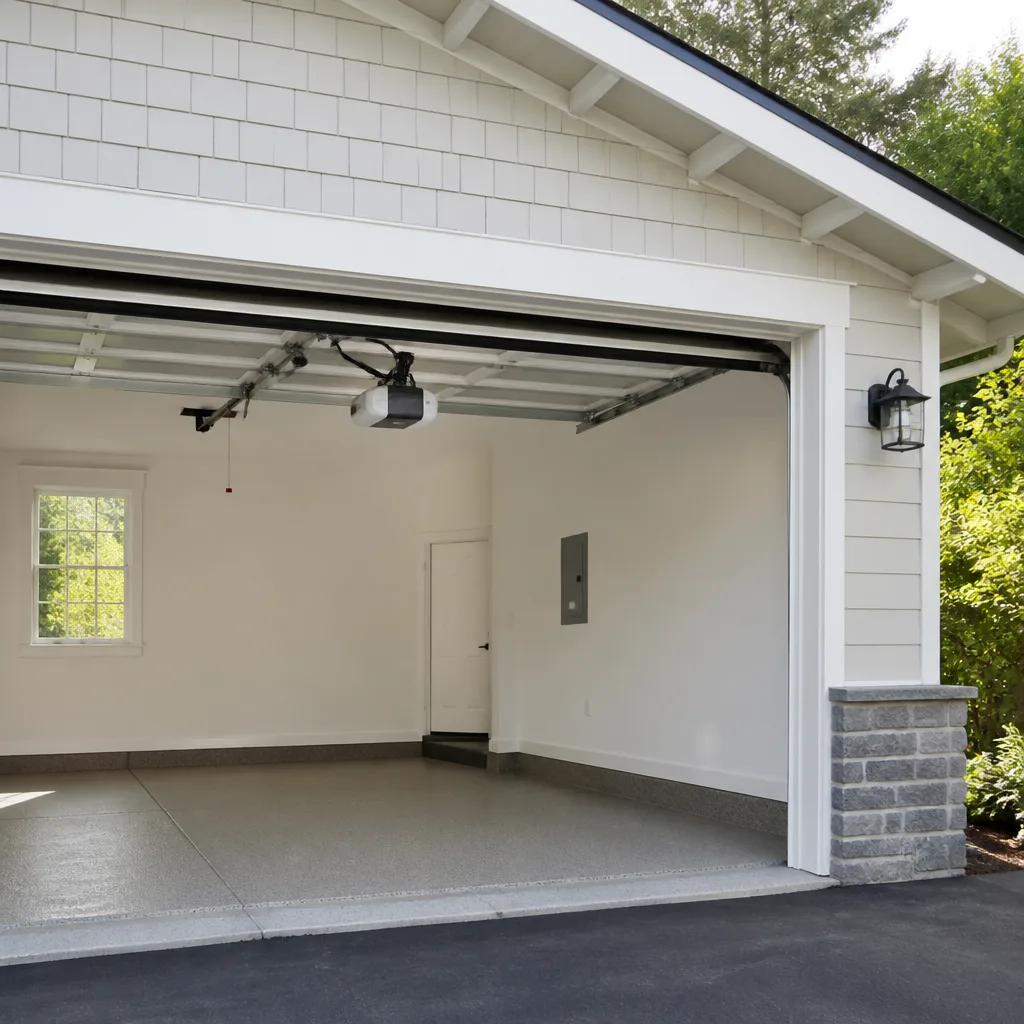 Chamberlain openers
Full 25-point door and opener safety check with every visit - springs, cables, rollers, tracks, and your LiftMaster or Chamberlain opener included
You get a price before we start. It does not change when the pro arrives.
Get your free estimateSeasonal Garage Door Care for Central Park: Year-Round Homeowner’s Guide
Most garage door maintenance advice is built around four tidy seasons, and in Central Park that model fails almost immediately. A Front Range weather week can swing 60°F in a single day, and that kind of swing puts more cumulative strain on springs and hardware than half a year of steady use in a milder climate. So a calendar that says “lubricate in fall and check the door in spring” will always be reacting late to the actual stress your door is under. This guide is organized around the real weather events Central Park sees, not the ones printed on a seasonal checklist. You’ll learn what to inspect before a chinook, after a hail storm, before the first hard freeze, and during the mud season that follows.
Quick Answer
Seasonal garage door care in Central Park means checking springs, rollers, tracks and weather seals before and after rapid temperature swings, not just at the start of each season. Winter calls for cold-rated lubrication and a bottom-seal check before temperatures drop below 20°F. Spring calls for clearing mud and grit from tracks and seals. Summer calls for a hail inspection. Fall is when you tighten and tune everything before the cold sets in. Springs and cables are under extreme tension and should only be adjusted by a trained technician.
Styles & brands we work with
- Raised-panel steel
- Carriage house
- Modern flush
- Full-view glass
- LiftMaster openers
- Chamberlain openers
Table of Contents
- Why Central Park’s Climate Breaks the Standard Seasonal Calendar
- The Rapid Temperature Swing Protocol
- Winter: Cold-Rated Lubrication Before the First Hard Freeze
- The Snowplow and Ice-Bind Inspection Checklist
- Spring: Mud, Grit and Bottom Seal Integrity
- Summer: Hail Impact Assessment for Panels and Seals
- Fall: The Tighten-and-Tune Before Cold Sets In
- Daily Habits That Add Years to a Central Park Door
Why Central Park’s Climate Breaks the Standard Seasonal Calendar
Central Park sits on the Front Range, and the Front Range doesn’t do gradual transitions. A chinook can push temperatures up 40 or 50 degrees in an afternoon and pull them back below freezing the next morning. Garage door hardware is mostly steel under load, and steel expands and contracts with temperature. Springs, in particular, don’t just wear from cycles; they wear from the constant micro-movement and stress that repeated temperature swings cause. That’s why a door in Central Park may accumulate more wear in a single unpredictable winter than a door in a stable climate accumulates across an entire mild year.
Practically, this means the maintenance calendar should track weather events rather than dates. A few things typical of Central Park homes make this matter more:
- Mixed housing stock. Central Park has a wide range of attached and detached garages, from newer builds with modern insulated doors to older homes with heavier steel panels. Different door weights stress springs differently.
- Wide temperature spreads. The same garage might see 65°F on a January afternoon and 10°F that night. Seals, lubricants and springs all respond to that swing.
- Wind and grit. The open Front Range carries dust and grit that work into tracks and rollers, especially after a dry, windy stretch.
When something does bind or fail despite good habits, our garage door repair team works on the full range of brands and can tell you whether it’s a simple adjustment or a component that needs replacing. For now, the goal is to stay ahead of the weather instead of chasing it.
The Rapid Temperature Swing Protocol
When Central Park sees a dramatic warm-to-cold or cold-to-warm swing, run a short walk-around inspection within a day or two. You’re not fixing anything here; you’re looking for changes that appeared since the last time you checked. A 2-3 minute pass covers most of it.
- Listen to the door open and close. New grinding, squeaking or a rattling sound after a big swing is a signal something has loosened or dried out.
- Watch the door travel. A door that hesitates, jerks, or drifts to one side is telling you a track, roller or spring is out of adjustment.
- Check the balance. With the door closed, pull the release and lift it partway by hand. It should feel light and stay where you put it. If it slams down or feels very heavy, stop using the opener and have it looked at.
- Look at the bottom seal. A seal that has hardened in the cold and no longer sits flush against the slab will let in cold air, snow and pests.
- Inspect spring appearance. You can look for a visible gap in a torsion spring or a stretched extension spring, but never touch, adjust or attempt to relieve tension on a spring.
This is the protocol competitors skip because it doesn’t fit on a seasonal calendar. In Central Park, it’s the single most useful habit you can build. If the balance test feels wrong, call a specialist rather than continuing to run the opener.
Winter: Cold-Rated Lubrication Before the First Hard Freeze
Standard garage door lubricants can thicken and gel once temperatures drop below 20°F, and a gelled lubricant does the opposite of its job: it drags on rollers and adds resistance to the spring and opener. In Central Park, where overnight lows regularly dip well below that, the right lubricant matters more than the amount.
Use a lubricant rated for low temperatures and apply it before the first hard freeze, not after. A few practical points:
- Rollers and hinges: a low-temperature lubricant or a silicone-based product works well. Avoid heavy grease that stiffens in the cold.
- Springs: a light coat of low-temperature lubricant on the spring surface helps reduce corrosion and friction, but never try to move or adjust a spring to apply it.
- Tracks: wipe them clean with a dry cloth. Tracks should be clean and dry, not greasy, because grease attracts grit that grinds on the rollers.
- Weather seals: a silicone spray keeps the bottom seal flexible so it doesn’t harden and crack in the cold.
If your garage door opener is struggling in the cold, the issue is often a combination of stiff lubricant and a worn component rather than the opener itself. Our garage door opener repair specialists work with LiftMaster, Chamberlain, Genie and Craftsman systems and can diagnose whether the unit or the door hardware is the cause.
The Snowplow and Ice-Bind Inspection Checklist
Central Park’s winter brings a failure mode that warmer climates never deal with: the snowplow berm. When plows push snow against a garage door, the impact can dent panels, bend tracks or crack a bottom seal. Separately, melted snow can refreeze under the door overnight and bind the bottom seal to the concrete slab, so the opener strains to lift a door that’s frozen to the floor.
After a heavy snow or plow pass, work through this checklist:
- Inspect the bottom panels for dents or buckling where the plow may have pushed snow.
- Check the vertical tracks for any bend or misalignment near the floor.
- Test the bottom seal by hand: if it’s frozen to the slab, don’t run the opener. Clear the ice first.
- Look for ice in the track at the floor level. Meltwater can refreeze and jam a roller.
- Confirm the safety reverse by placing a small object in the door’s path and watching it reverse. If it doesn’t, stop using the door.
If a panel is dented or the door’s travel has changed after a plow strike, it’s worth a professional look. Impact damage often affects spring tension and track alignment in ways that aren’t visible from the outside. That’s the kind of assessment a Garage Door Repair Central Park specialist handles routinely.
Spring: Mud, Grit and Bottom Seal Integrity
Colorado’s wet spring cycle turns driveways and aprons into mud, and that mud finds its way onto tracks, into bottom seals and around rollers. Grit in a track acts like sandpaper on a roller, and a bottom seal packed with mud can tear or lose its seal. Central Park’s spring thaw is also when the accumulated grit from a dry winter gets loosened and spread around.
Spring cleanup is mostly about removing what shouldn’t be there:
- Wipe down the tracks with a damp cloth, then dry them. Don’t apply grease to the tracks; keep them clean and dry.
- Clear the bottom seal with a brush and a light rinse. Check for cracks or tears where mud has worked in.
- Sweep the apron in front of the door so the seal isn’t sitting in standing water or mud.
- Check the perimeter seal for gaps that let in moisture and pests.
A worn bottom seal is one of the most common spring issues in Central Park, and it’s a straightforward replacement. Keeping the seal intact protects the rest of the door from moisture and keeps the garage drier through the wet months.
Summer: Hail Impact Assessment for Panels and Seals
Front Range summers bring hail, and hail is hard on garage doors. After a storm, you don’t need to call a technician for every small dent, but you do need to check whether the impact has affected the door’s structure or function. Start with a visual pass before any repair decisions.
- Walk the door surface and note dents, especially on panels and at the bottom seal line.
- Run the door and watch for any change in travel or sound.
- Check weather seals for splits or compression where hail has struck.
- Test the safety reverse the same way you would after a plow strike.
- Look at the springs for any sign of damage; hail rarely reaches them, but a hard impact can affect alignment.
Cosmetic dents on a steel panel are often left alone, but a dent that has bent a panel enough to affect the door’s balance or track alignment needs attention. If the door runs cleanly and the seals are intact, note the dents and move on. If you’re unsure, a free estimate gets you a professional opinion without guessing.
Fall: The Tighten-and-Tune Before Cold Sets In
Fall is the one season where the traditional calendar and the Central Park reality line up, because it’s the last comfortable window before the cold arrives. This is the time to tighten hardware, test safety features and apply cold-rated lubrication ahead of the first hard freeze.
Work through this pre-winter tune-up:
- Tighten bolts and hinges on the door and track brackets. Vibration loosens them over the year.
- Test the photo-eye safety sensors by passing an object through the beam to confirm the door reverses.
- Lubricate rollers, hinges and springs with a low-temperature product so it’s in place before temperatures drop.
- Inspect the bottom seal and replace it if it’s cracked or hardened.
- Clean the tracks and check the rollers for flat spots.
If your door is older and the tune-up turns into a conversation about a full replacement, our garage door installation team handles Clopay, Amarr, Wayne Dalton and Raynor doors and can walk you through the options before winter.
Daily Habits That Add Years to a Central Park Door
It sounds trivial, but the single biggest factor in how long Central Park door hardware lasts is how it’s operated day to day. Springs are rated by cycles, and every unnecessary open-and-close uses up part of that life. A few habits make a real difference over a year of Front Range weather.
- Don’t use the door as an entry point more than you need to. A walk-in door or a quick manual check saves cycles.
- Never run the opener if the door is frozen to the slab. Clear the ice first; the opener isn’t built to break the seal.
- Watch for small sounds and address them early. A squeak is cheap to fix; a failed spring under load isn’t.
- Keep the tracks clean and dry after a windy, gritty stretch.
- Leave spring and cable work to a trained technician. Those components are under extreme tension and can cause serious injury if handled incorrectly.
Our technicians have up to 12 years of experience, and we work on the major brands Central Park homes actually have, including Wayne Dalton, Craftsman and Raynor doors and openers. If a daily habit reveals a problem, a quick call gets you an honest answer.
Common Mistakes to Avoid
- Following a generic seasonal calendar instead of the weather. A checklist that says “fall tune-up and spring check” misses the temperature swings that actually stress hardware in Central Park.
- Using standard lubricant in winter. Lubricant that gels below 20°F adds resistance to the rollers and springs. Cold-rated products are the cheap insurance.
- Ignoring the bottom seal after a plow pass. A seal that’s frozen, torn or packed with mud lets in cold air and moisture and can bind the door to the slab.
- Running the opener against a frozen seal. If the bottom seal is frozen to the concrete, clear the ice first. Forcing the opener strains the unit and the springs.
- Greasing the tracks. Tracks should be clean and dry. Grease collects grit, and grit wears rollers quickly.
- Skipping the hail inspection. A dented panel that has affected the door’s balance or alignment needs a look before it becomes a bigger repair.
- Trying to adjust a spring or cable yourself. Springs are under extreme tension and are genuinely dangerous. This is the one job that should always go to a specialist.
See the difference
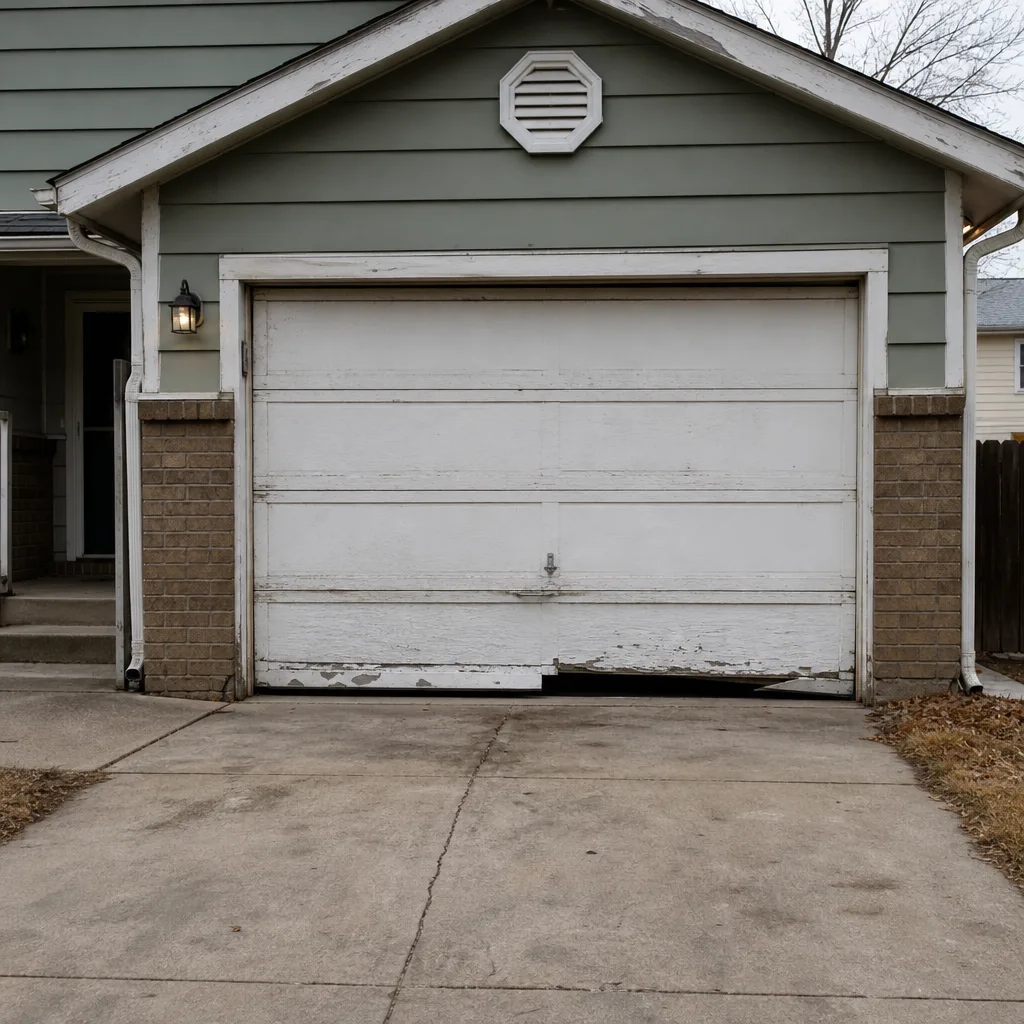 Before
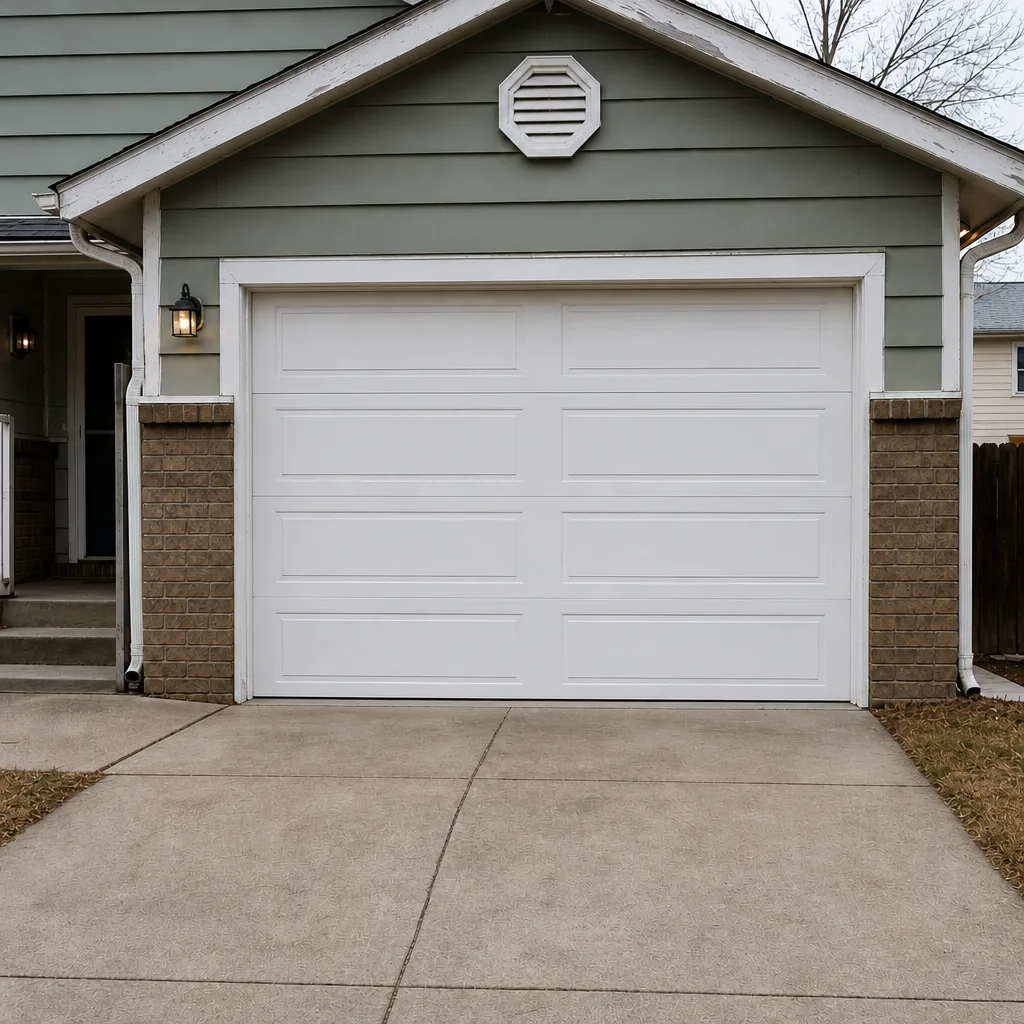 After
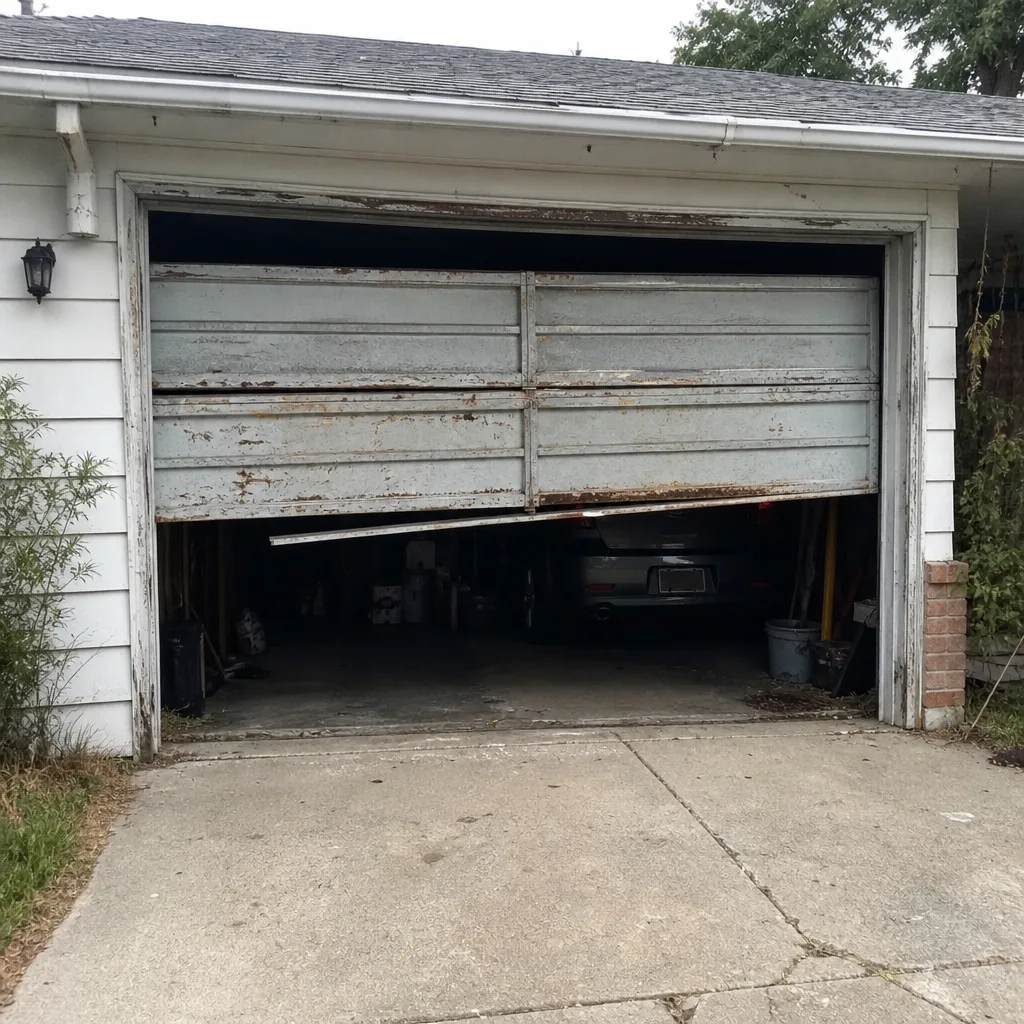 Before
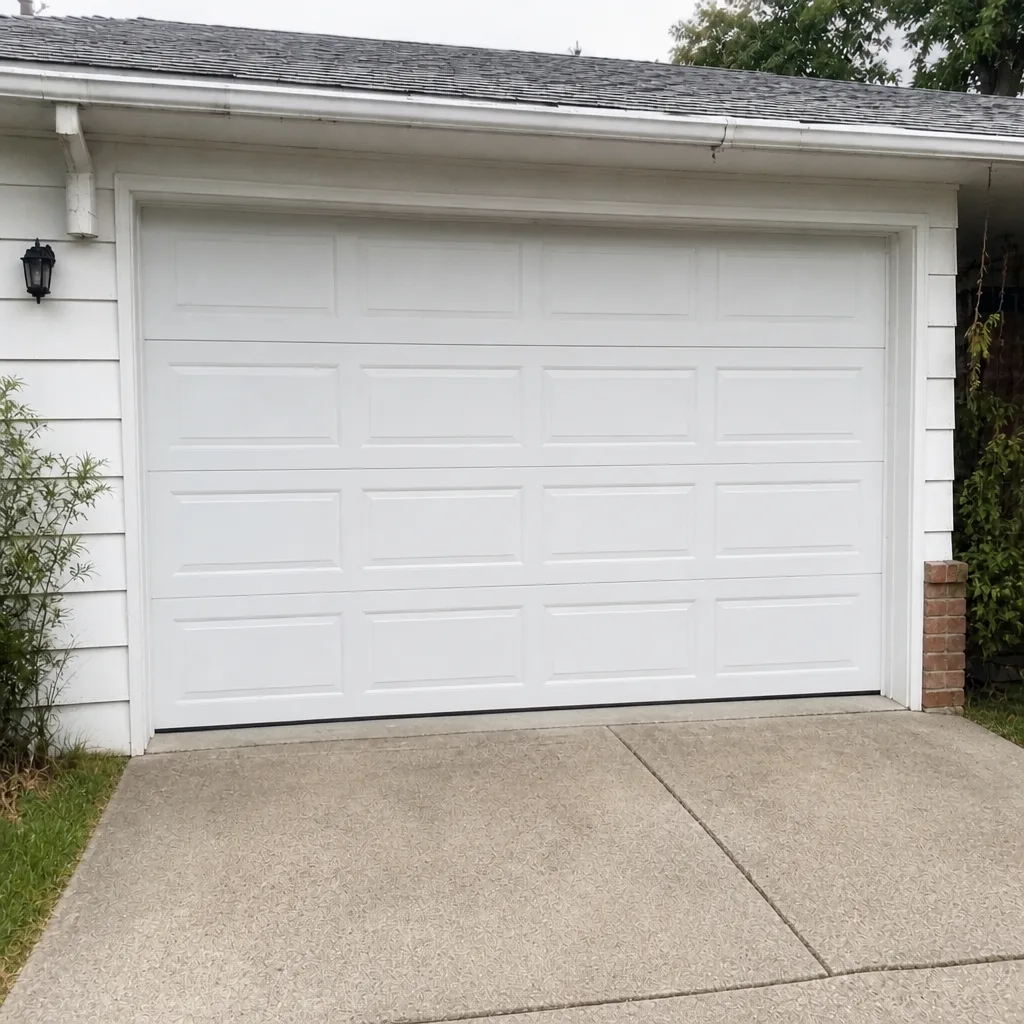 After
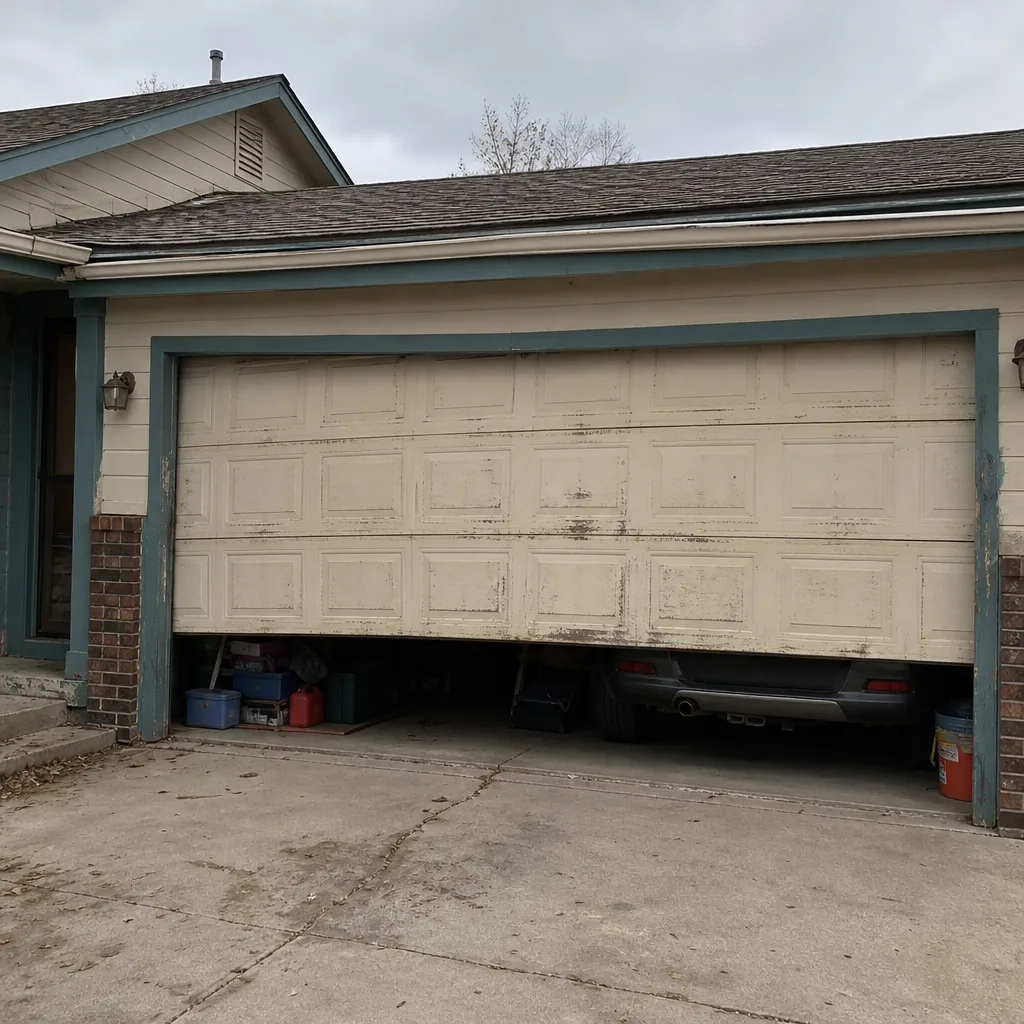 Before
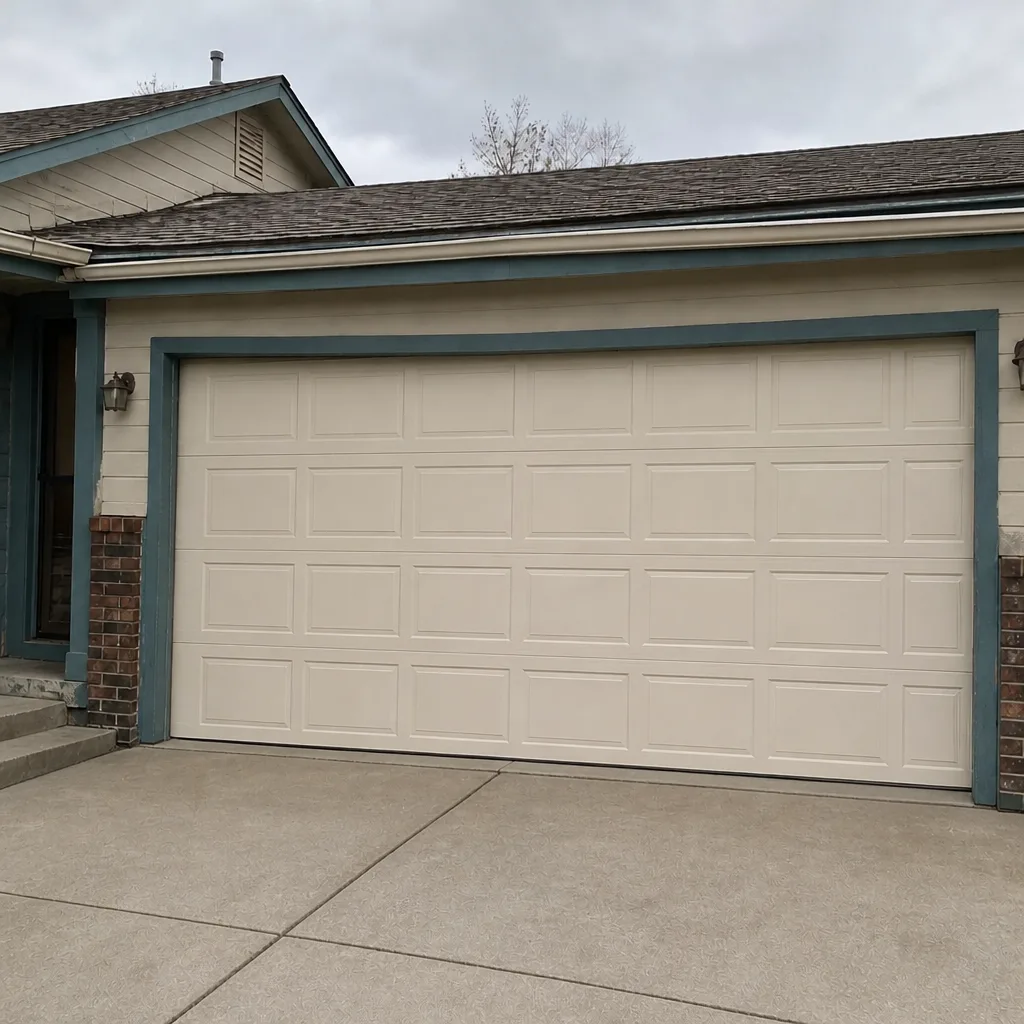 After
When to Call a Professional
Some seasonal checks are homeowner work. Others aren’t. Call a professional if the door feels heavy or slams down on the balance test, if a spring looks broken, if a cable is frayed or loose, if the door travels unevenly or comes off its tracks, or if the photo-eye safety reverse fails. Any of these is a sign the door should stop being used until it’s assessed. Panel damage from hail or a plow strike that changes the door’s travel is also worth a call. Garage Door Repair Central Park offers free estimates in Central Park; call (877) 419-7757. We answer 24/7, and fast dispatch from 7am to 7pm Sunday through Friday gets a technician out to assess the door, with the price quoted and agreed before any work starts.
Frequently Asked Questions
Twice a year is a reasonable baseline, but in Central Park the timing matters more than the count. Apply a cold-rated lubricant before the first hard freeze, then again in fall or after a long dry, windy stretch. If you hear new squeaking after a temperature swing, a quick spot application on hinges and rollers usually helps.
The most common cause is a combination of stiff, cold-thickened lubricant and a bottom seal that has frozen to the slab. Clear any ice under the door before running the opener, and make sure the lubricant is rated for low temperatures. If the door still struggles once the seal is clear, a worn spring or opener component is likely, so call (877) 419-7757 for a free estimate.
Usually hail damage is cosmetic, but a dent deep enough to bend a panel can affect the door’s balance and track alignment. After a storm, run the door and watch the travel. If it hesitates or rides unevenly, have it checked before continuing to use it. Estimates are free.
It depends on the severity. A single dented panel can often be replaced on its own, while bent tracks or a warped door may need more work. A technician can assess the extent of the damage and quote the options before any work begins. Call (877) 419-7757 to schedule an assessment.
No. The seasonal routine is the same regardless of the brand. What changes is the parts compatibility, which is why it helps to work with a specialist who handles the major brands. Our technicians know LiftMaster, Chamberlain, Genie and Craftsman systems and can source the right components without extra trips.
Before winter is ideal, so the new seal isn’t asked to seal against snow and ice its first time out. Spring is the next best window, after the thaw. If the current seal is cracked, torn or no longer sits flush against the slab, replace it before the first hard freeze.
The Bottom Line
A garage door in Central Park faces a harder year than the same door in a stable climate, because the Front Range delivers big temperature swings, plow berms, hail and a wet mud season all in the same twelve months. The maintenance plan that works is the one organized around those events rather than four months on a calendar. Check the hardware after a temperature swing, lubricate with a cold-rated product before the first hard freeze, inspect for plow and hail damage after a storm, and keep the bottom seal and tracks clear through the spring thaw. Leave spring and cable work to a specialist, and call early when something sounds or feels off.
Garage Door Repair Central Park is a garage door specialist covering repair, opener repair, spring repair, parts and new installation for the major brands. Call (877) 419-7757. We answer 24/7. Fast dispatch from 7am to 7pm, Sunday through Friday. Estimates are free, and the price is quoted and agreed before any work starts.
Written by the team at Garage Door Repair Central Park.