
Last updated November 22, 2026
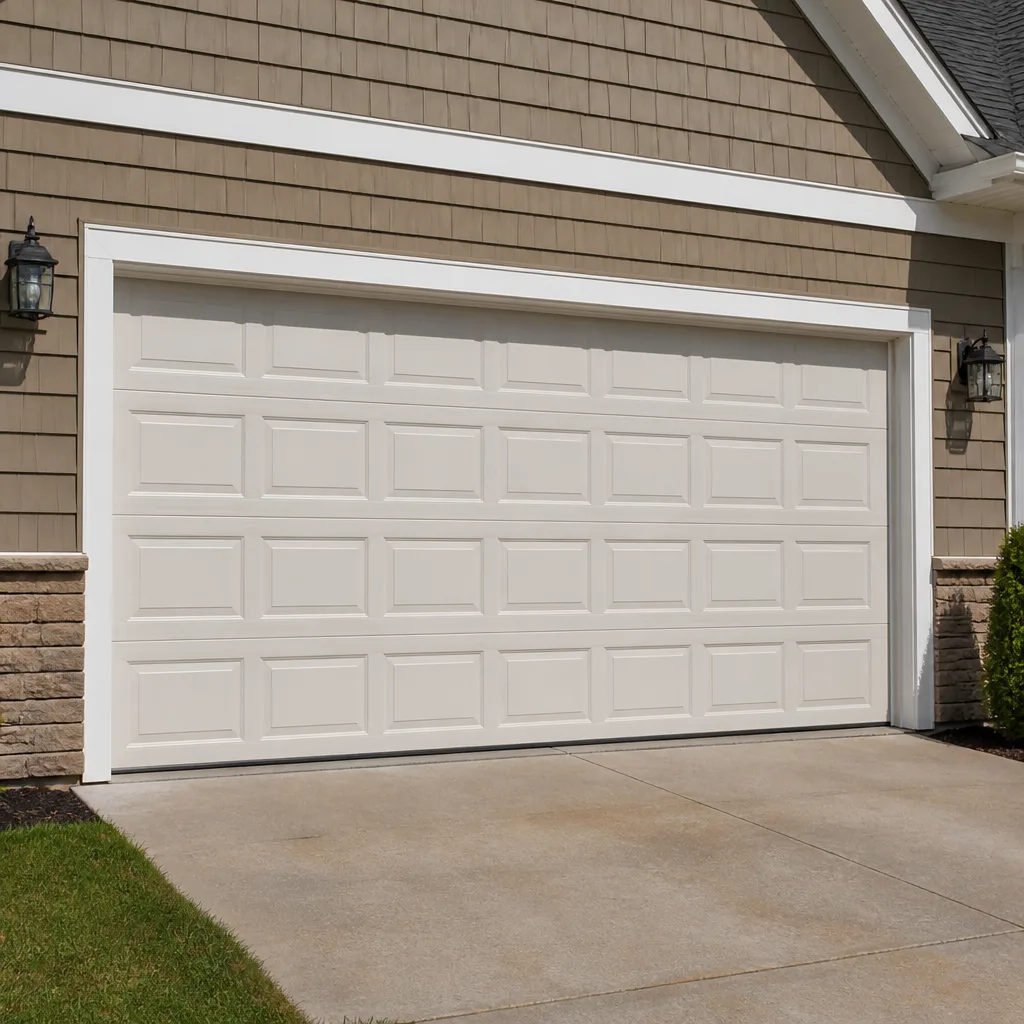 Raised-panel steel
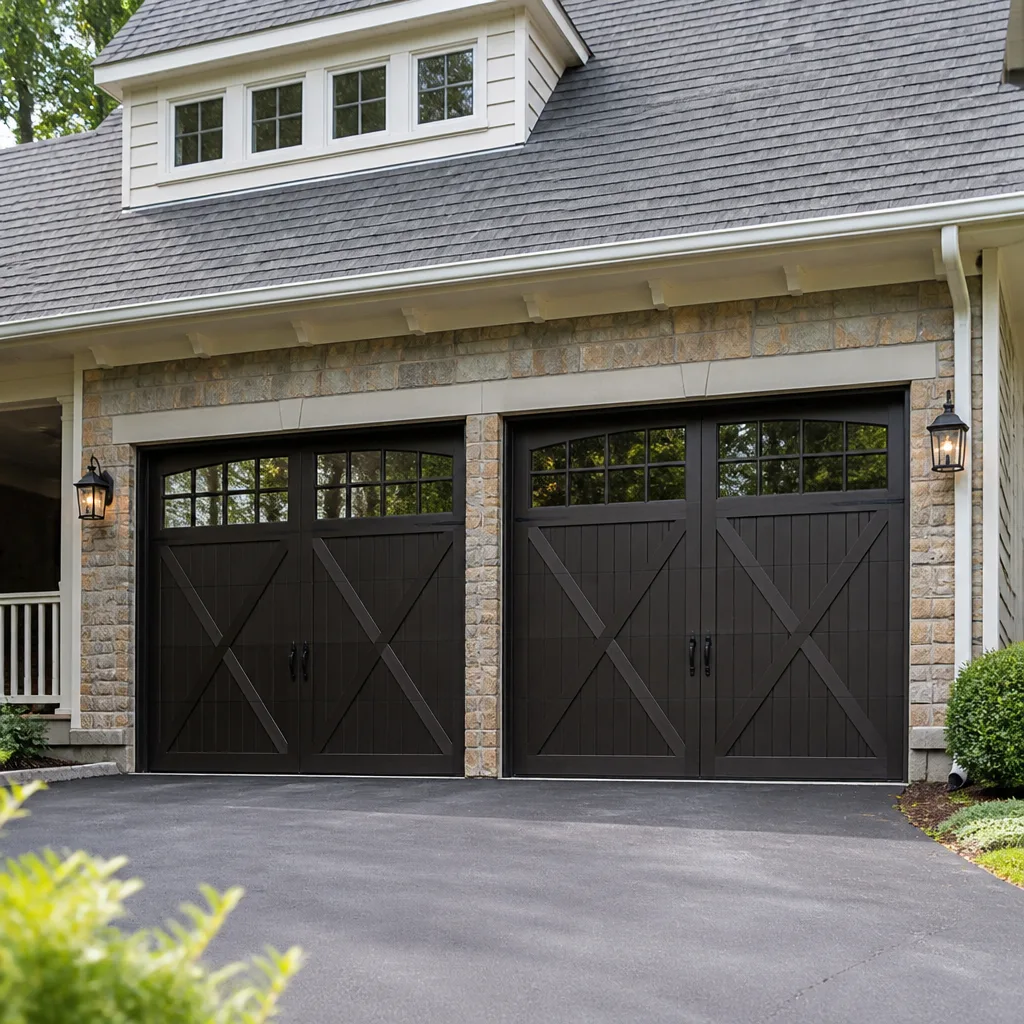 Carriage house
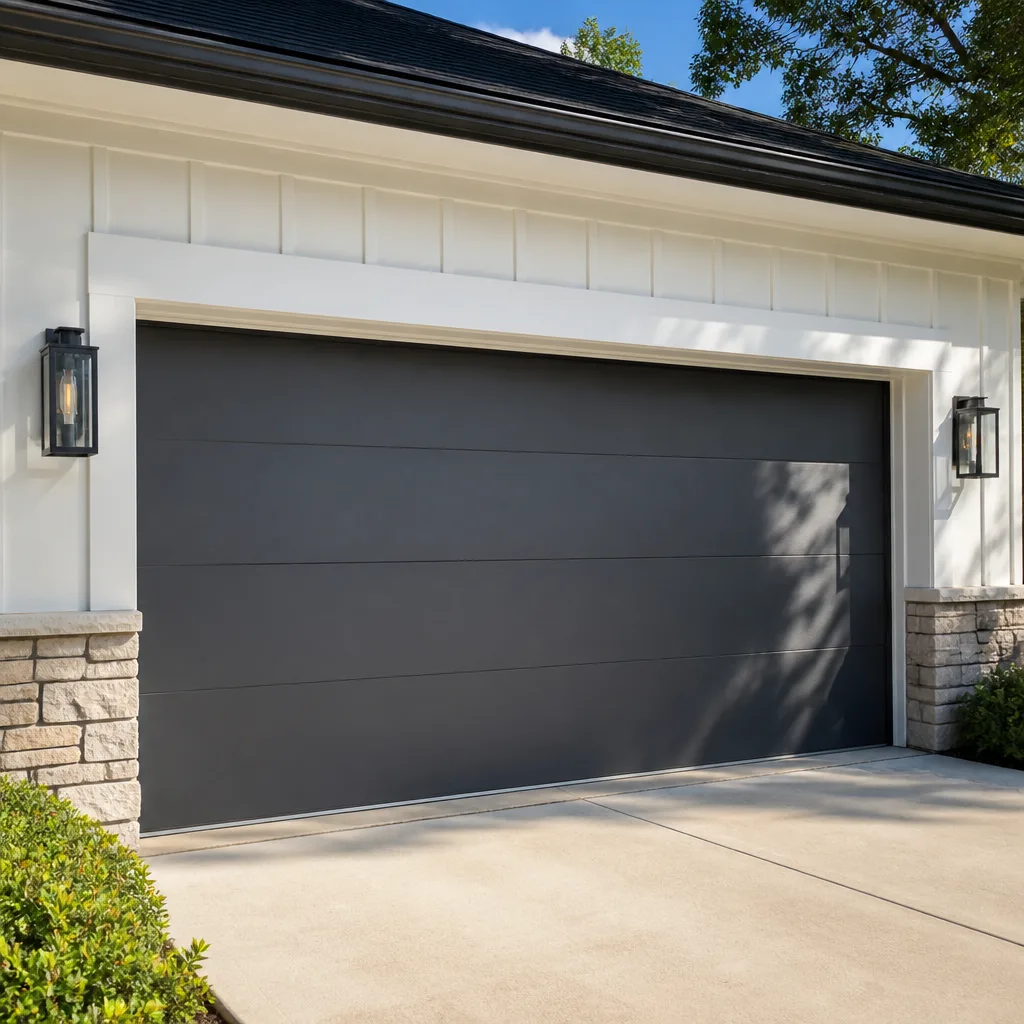 Modern flush
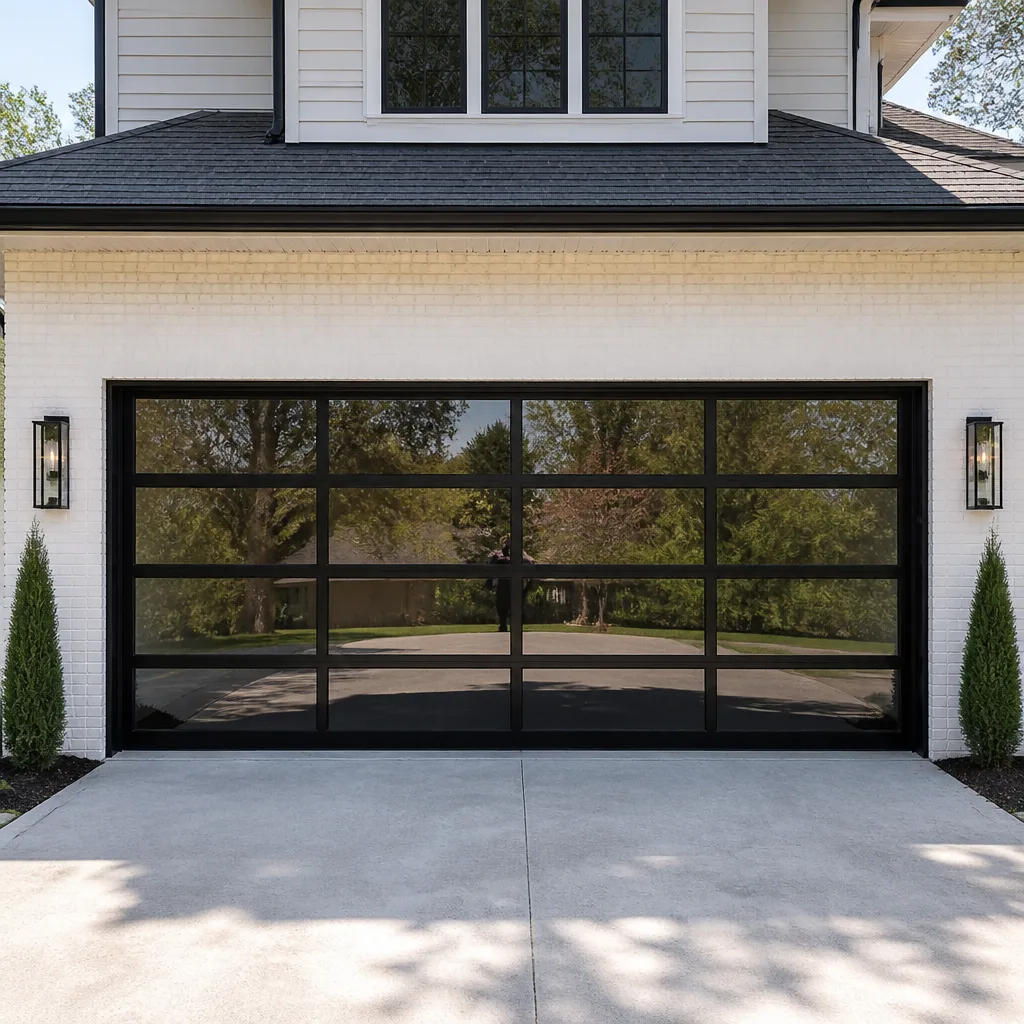 Full-view glass
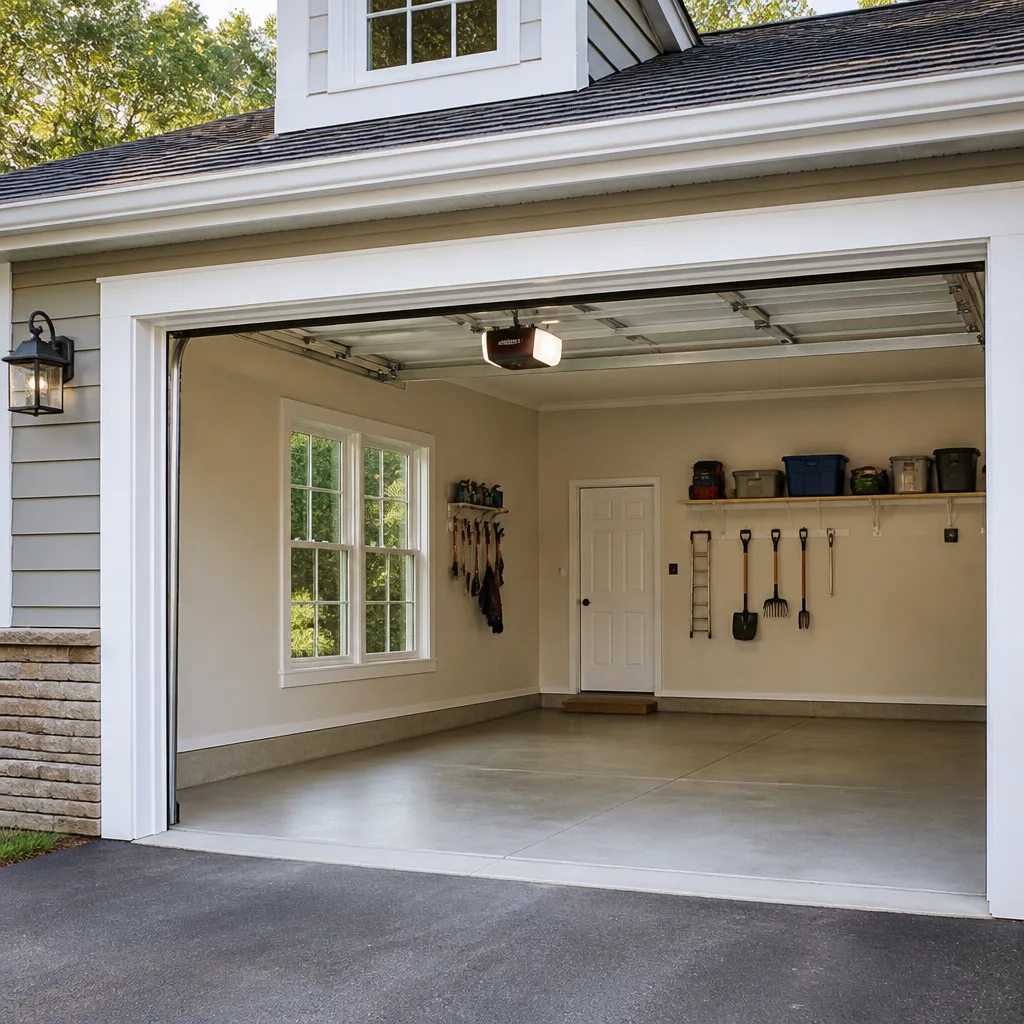 LiftMaster openers
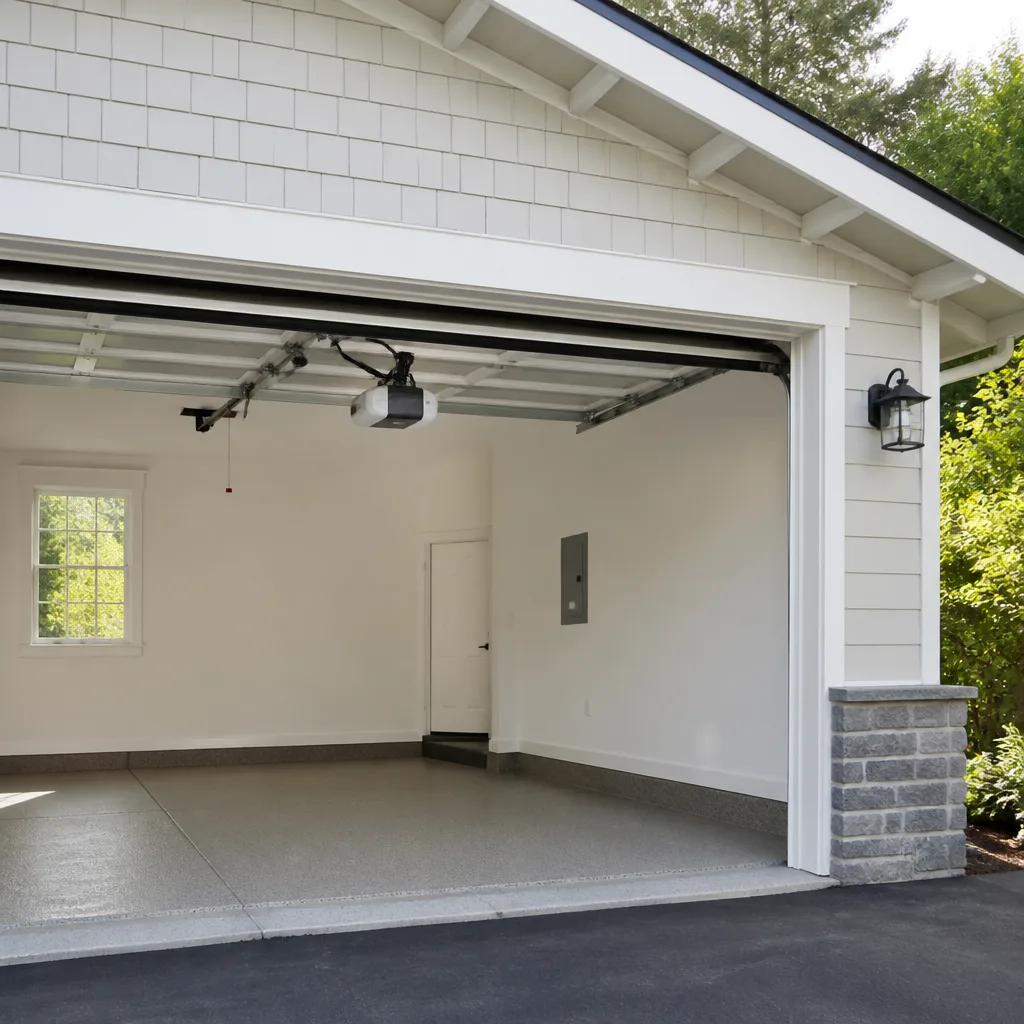 Chamberlain openers
Full 25-point door and opener safety check with every visit - springs, cables, rollers, tracks, and your LiftMaster or Chamberlain opener included
You get a price before we start. It does not change when the pro arrives.
Get your free estimateGarage Door Emergency Preparedness Guide for Central Park Homes
Most garage door advice assumes the door breaks on a calm afternoon when you have nowhere to be. In Central Park, that’s not how it works. A door that fails open on a night when the temperature drops into the single digits turns your garage into a refrigerator for every pipe running along the interior wall. A door that fails closed during a fire warning or a tornado watch can keep a vehicle you need locked on the wrong side of the panel. The work you do before either happens is what decides whether it’s a 30-second fix or a panicked five minutes. This guide covers manual release operation, power outage protocol, stuck-open winter response, off-track doors, and a prep list you can run through in an evening.
Quick Answer
A garage door emergency in Central Park comes down to three moves: know how to disengage the opener with the manual release cord, know whether your opener has a battery backup, and know when to stop touching the door and call a specialist. Practice the manual release once before you need it. Never force a door that has come off its tracks. Everything else in this guide builds on those three habits.
Styles & brands we work with
- Raised-panel steel
- Carriage house
- Modern flush
- Full-view glass
- LiftMaster openers
- Chamberlain openers
Table of Contents
- Why a Garage Door Failure Is a Safety Event in Central Park
- How Do You Manually Release a Garage Door Opener?
- What If the Release Cord Has Never Been Pulled and the Carriage Is Frozen?
- What Do You Do During a Power Outage in a Cold Garage?
- A Door Stuck Open in Winter: Security and Pipe Protection
- The Door Came Off Its Tracks: What to Do and What Never to Do
- Your Pre-Emergency Prep List
- Know Your Brand Before You Need Parts
Why a Garage Door Failure Is a Safety Event in Central Park
A garage door failure in Central Park is rarely just an inconvenience. It’s a household safety event, and the reason is the weather. Central Park sits on the eastern side of the Denver metro, where winter nights routinely drop well below freezing and the wind comes across open ground with nothing to slow it down. That combination changes what a broken door actually threatens.
Think about the two failure states separately.
Door stuck open. The garage becomes an unheated, wind-exposed space. Any water line running through or along the garage wall, and any plumbing in the wall shared with the house, is now sitting in outside air. Unheated garages in this climate are exactly where pipes freeze. A door that won’t close also leaves everything stored in the garage visible from the alley or driveway, and it leaves the door between the garage and the house as your only barrier.
Door stuck closed. Now the vehicles are trapped. During a fire evacuation order or a fast-moving severe weather event, that matters. A car you can’t get out of the garage is a car you can’t leave in. The manual release exists precisely for this, and it only helps if someone in the house has operated it before.
There’s a third failure state that’s less obvious but just as important: the door that’s halfway and jammed. That’s a mechanical problem with tension still loaded in the system, and it’s where homeowners get hurt. We’ll cover it in the off-track section.
The point is that garage door emergency prep in Central Park isn’t a maintenance chore. It’s the same category as knowing where your water shutoff is or keeping a fire extinguisher in the kitchen. It takes one evening to set up and it pays off on the worst night of the year.
How Do You Manually Release a Garage Door Opener?
You manually release a garage door opener by pulling the release cord hanging from the trolley carriage, which disconnects the door from the opener so you can lift it by hand. On most openers the cord hangs down from the carriage that rides the rail, with a handle or a red-tipped knob at the end. Pulling it toward the door (not straight down) releases the latch.
Here’s the walkthrough, and we’d suggest you actually do this once on a calm day rather than reading it and filing it away.
- Close the door first. The release is designed to be operated with the door down, so the springs aren’t fighting you. Releasing a door that’s already up means it may drop.
- Find the cord. It hangs from the carriage on the opener rail, usually near the center of the door’s travel. If you can’t find it, look up: it’s the only thing hanging loose from the rail.
- Pull it toward the door. A firm pull toward the door end of the rail unlatches the carriage. You’ll hear it click free.
- Lift the door by hand. A properly balanced door lifts with one hand. If it takes two arms and your back, the springs are tired and that’s worth knowing now.
- Re-engage. To reconnect, run the opener and let the carriage pick up the door, or push the carriage back toward the door until it latches. Most openers re-engage automatically the next time the opener runs.
Brand-specific notes for openers common in Central Park homes
The principle is the same across brands, but the hardware varies. LiftMaster and Chamberlain openers use the same trolley design, so the release procedure is identical. Genie openers use a similar carriage release. Craftsman openers follow the same pattern. On some Genie models the release is a lever rather than a cord, and it moves in the same direction.
If you can identify your opener brand and model number, write it on a label on the opener housing or the wall button. When you call for garage door opener repair, that number tells the technician which carriage and release assembly to expect before anyone arrives.
One safety note before you practice: never stand under a door that’s only held up by the opener. Do the drill with the door down. And if the door feels heavy or drops on its own when you release it, stop and call a specialist.
What If the Release Cord Has Never Been Pulled and the Carriage Is Frozen?
If the release cord has never been pulled, the carriage can be stiff or stuck, and a straight pull won’t free it. This is common on doors that have run on the opener for years without anyone touching the release. The latch mechanism collects dust and grit, and the carriage sits in one spot on the rail long enough that it doesn’t want to move.
Here’s how to approach it without breaking anything:
- Try the pull toward the door first, firmly but steadily. Not a yank. A steady pull lets the latch travel.
- Check the direction. Some carriages release toward the door, some pull straight down. If one direction does nothing, try the other gently.
- Look for the manual release lever on the carriage itself. Some models have a lever you can flip by hand when the cord is uncooperative.
- If it still won’t release, stop. Don’t hang your weight on the cord, and don’t pry at the carriage with a screwdriver. The carriage assembly is a small part and it’s replaceable; a bent rail isn’t.
If the door is stuck closed and you can’t release it, that’s an emergency for your household, and it’s what same-day service is for. Call (877) 419-7757. We answer 24/7. Fast dispatch from 7am to 7pm, Sunday through Friday.
After any release drill, re-engage the carriage and run the door once to confirm it reconnects cleanly. If it doesn’t, that’s a sign the carriage or the release assembly needs attention, and it’s better to know that on a Sunday afternoon than on a night when the power’s out.
What Do You Do During a Power Outage in a Cold Garage?
During a power outage, a garage door opener with a battery backup keeps working normally for a limited number of cycles, and an opener without one requires the manual release. Those are your two paths. What you do next depends on which opener you have and how cold it is in the garage.
Colorado’s power outages tend to cluster around winter storms, high-wind events, and the occasional downed line. In Central Park, an outage in January means the garage is losing heat by the hour.
Step one: know which opener you have
Battery backup openers have a battery pack mounted on or near the opener head, usually a separate unit sitting on top of the motor housing. LiftMaster and Chamberlain both make battery backup models, and Genie does as well. If you see a battery box with a status light, you have backup. If you see only the opener head and the rail, you don’t.
Step two: test the battery backup before you need it
Once a year, trip the breaker that feeds the opener and run the door. If the battery backup carries it, you’re set. If the door won’t move or the opener beeps and does nothing, the battery is probably due for replacement. A battery backup that’s never been tested is a battery backup you don’t have.
Step three: if you have no backup, use the release
Follow the manual release procedure above. Then operate the door by hand, and remember two things. Lift with your legs, and don’t leave the door halfway up. A door that’s been released from the opener and left partway open is held by the springs alone, and that’s not a stable position to leave it in overnight. Either run it fully up and secure it, or close it fully.
Step four: protect the pipes
If the door has to stay open during the outage because the car is out or the door won’t close, and the temperature is dropping, protect what’s in the garage. Anything on the wall that’s plumbing should be wrapped or covered, and if you have a space heater, keep it away from anything flammable and never leave it running unattended overnight. A door that stays open in a Central Park cold snap is a real risk to the water lines along the garage wall, and that’s a covered reason to call.
A Door Stuck Open in Winter: Security and Pipe Protection
When a door is stuck open in winter and can’t be closed, the goal shifts from “fix the door” to “contain the damage until a technician gets there.” Two things are exposed: the security of the garage contents and the plumbing inside and behind the garage wall.
Securing the opening
- Move valuables inside. Bikes, tools, and anything visible from the street or alley comes into the house, if the weather makes that possible.
- Park a vehicle in front of the opening, if you have one and the weather allows it. It’s not a lock, but it’s a physical barrier.
- Use the interior door as your access point. Lock the door from the garage into the house. If the garage is open, that door is your actual barrier.
- Don’t disconnect the springs or try to prop the door down. A propped door is a door that can come down hard. Leave the door in the position it’s in.
Protecting the pipes
- Identify the water lines in the garage and along the shared wall. Look for anything that goes from the house into the garage or runs along the back wall.
- Keep the interior door to the house closed so the heat in the house doesn’t get pulled into the cold garage and the cold doesn’t get pulled into the house.
- Drip a faucet that’s fed by a line running through the garage wall, if you have one. Moving water freezes more slowly than still water.
- If the forecast drops hard and the door will be open overnight, that’s the night to call. A door stuck open in a Central Park cold snap can do real damage to plumbing, and the repair gets bigger the longer it waits.
A stuck-open door is also a security problem regardless of the season, and the fix is usually a garage door repair call, not a replacement. Most stuck-open conditions come from a limit switch, a broken spring, a disconnected carriage, or a safety sensor problem. Our technicians have up to 12 years of experience diagnosing which one you’ve got.
The Door Came Off Its Tracks: What to Do and What Never to Do
When a garage door comes off its tracks, stop operating it and don’t try to force it back. That’s the whole answer. A door that has come off its tracks is being held by springs under tension, and a door in that state can come down or swing free with enough force to injure or kill someone. This is the one scenario in this guide where the right move is to do nothing to the door and call a professional.
Here’s what to do instead:
- Stop the opener. Hit the wall button to stop any motion. Don’t run it again to “see if it catches.”
- Keep everyone clear of the door. Kids, pets, and anyone who’s thinking of trying to lift it manually. The door isn’t going anywhere on its own if you leave it alone.
- Look, don’t touch. From a safe distance, note whether the door is hanging on one side, whether a roller has popped out of the track, and whether a cable has come loose. That description helps the technician.
- Don’t close the garage/house door behind you if it blocks access. The technician needs to get to the door.
- Call. A door off its tracks is a same-day job in most cases, and it’s not something to wait on. Call (877) 419-7757. We answer 24/7. Fast dispatch from 7am to 7pm, Sunday through Friday.
What never to do
- Don’t force the door back into the track by hand. The springs are still loaded and the door is not balanced. This is how people get hurt.
- Don’t cut a cable or try to loosen a spring to relieve the tension. Springs and cables are the most dangerous parts of the entire system. Spring replacement is a trained-technician job, full stop.
- Don’t prop the door up and walk away. A door off its tracks can drop without warning if the balance shifts.
- Don’t run the opener repeatedly to try to reset it. Each cycle can pull a roller further out and put more load on the remaining track.
Spring repair is a dedicated specialty for us, and it’s the repair we get called out for most often after an off-track event. Springs carry the entire weight of the door; a broken or fatigued spring is usually the reason a door starts coming off its tracks in the first place. It’s also why we treat spring work as safety-critical rather than routine.
Your Pre-Emergency Prep List
Everything in this guide is easier after one evening of prep. Here’s the list, in the order we’d do it.
- Label the manual release. A bright tag or a wrap of tape on the release cord makes it findable in the dark. Label it “PULL TO RELEASE” so anyone in the house, including a visitor or a house-sitter, can operate it.
- Practice the release once a year. Put it on the calendar the same month you test smoke detectors. Door down, pull toward the door, lift by hand, re-engage. Once you’ve done it, you’ll remember.
- Find your opener model number. It’s printed on a label on the opener head or on the back of the motor housing. Write it on a piece of tape on the wall button or the opener itself.
- Find your door brand. Clopay, Amarr, Wayne Dalton, and Raynor doors have their branding on the door itself, usually on the bottom section or a hinge. The brand tells a technician which panel and hardware system you’re dealing with.
- Test the safe-T-beam / safety sensor. Wave something across the beam at the bottom of the tracks. If the door doesn’t reverse, the sensor needs attention before it becomes an emergency.
- Test the battery backup, if you have one. Trip the breaker and run the door once, as described above.
- Keep the number accessible offline. Write it on a card and tape it inside the garage or on the opener housing. When the power’s out, your phone may be low and your Wi-Fi is down. A number you can read by flashlight matters. That’s (877) 419-7757.
That’s about an hour of work once a year. It’s the difference between a garage door emergency being a five-minute problem and being a five-minute problem you can’t solve.
Know Your Brand Before You Need Parts
The single biggest delay in a garage door repair isn’t the diagnosis. It’s the parts. A technician who doesn’t know your brand has to figure out which carriage, which sensor, which spring, and which panel matches your door, and if the part isn’t on hand, that’s a second visit. Knowing your brand in advance skips that step.
We work on the door brands you’ll find on most Central Park homes: Clopay, Amarr, Wayne Dalton, and Raynor. And we work on the opener brands that drive them: LiftMaster, Chamberlain, Genie, and Craftsman. That covers both halves of the system, which matters because a “door problem” is often an opener problem and vice versa.
Here’s the practical version of that. When you call, tell us the door brand and the opener model number. If you don’t know, tell us what you see; the panel style, the color, the wall button, the shape of the opener head. That information is enough to get the right parts ready before the technician leaves. Parts availability is a core part of what we do, not an afterthought, and it’s why the same call can cover diagnosis, the part, and the fix. One call covers it.
When you do need a new door rather than a repair, that’s a measured, scheduled job, not a same-day one. garage door installation starts with a free measure and a written price, and the brand and panel options get sorted out before anything is ordered. For repair and opener work, the sooner you call the sooner it gets handled. For a full replacement, the sooner you call the sooner we can schedule the measure.
Common Mistakes to Avoid
- Never testing the manual release until you need it. The release cord is the one tool in a garage emergency that requires practice. A cord that’s never been pulled can be stiff, and a carriage that’s been sitting on the same rail for years can be frozen. Test it once a year, when the door is down.
- Forcing a door that’s off its tracks back into place by hand. The springs are still under tension and the door isn’t balanced. This is the most common way people get seriously hurt in a garage door emergency, and it’s completely avoidable. Leave the door, call a specialist.
- Cutting a cable or loosening a spring to “take the tension off.” Both are under enormous load and both can release suddenly. Spring and cable work belongs to a trained technician. This is not a job to try once to see if it works.
- Leaving a released door halfway open overnight in a Central Park winter. A door that’s disconnected from the opener and left partway up is held by the springs alone, and it’s letting cold air into a space with plumbing in it. Either close it fully or secure it fully open.
- Running the opener over and over when the door won’t move. If the door is jammed or off its tracks, each cycle pulls harder on the parts that are already strained. Stop the opener and diagnose before you run it again.
- Not knowing the opener model when you call. Without a model number, the technician has to identify the unit on arrival, and if a part isn’t on hand, the repair slips to a second visit. Write the number down before you need it.
- Assuming a battery backup works because it’s installed. A backup battery that’s never been tested may be dead. Trip the breaker once a year and confirm the door still runs. If it doesn’t, the battery needs replacing before the next outage.
See the difference
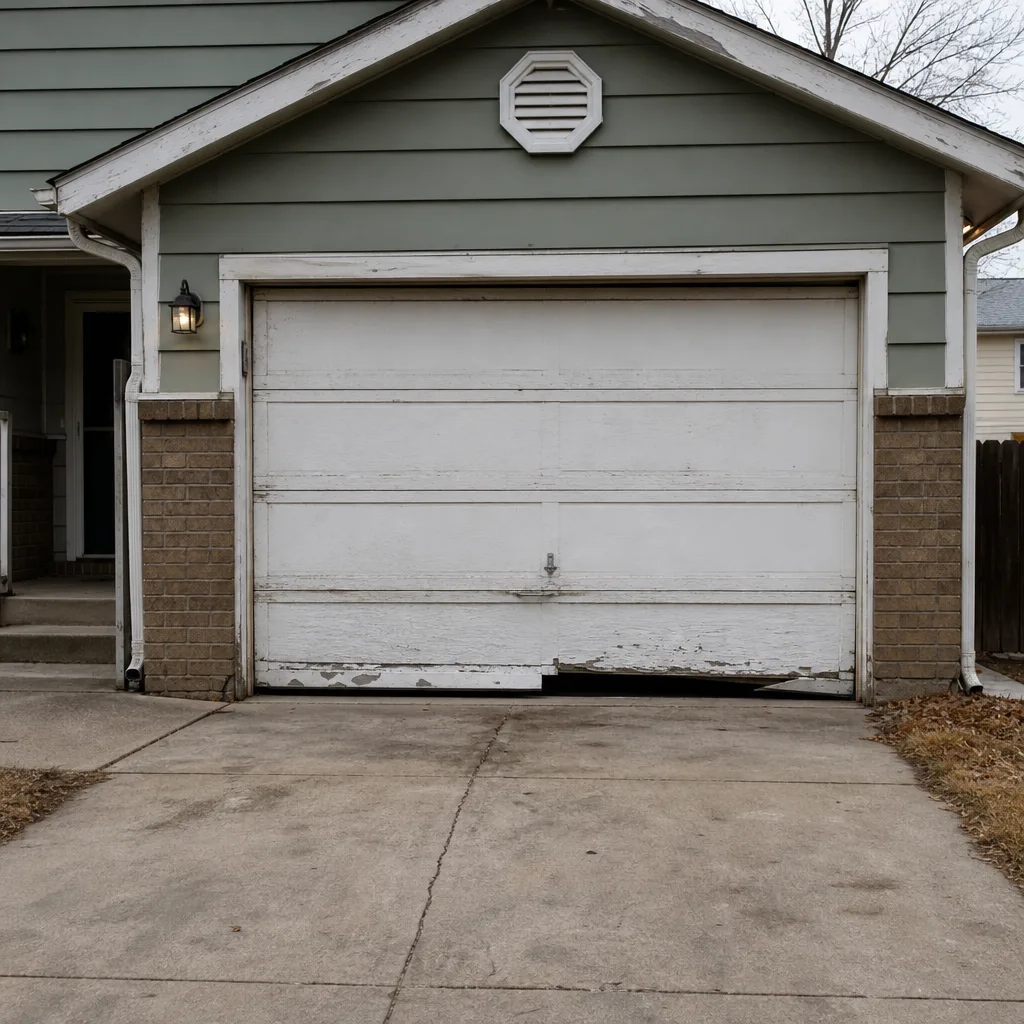 Before
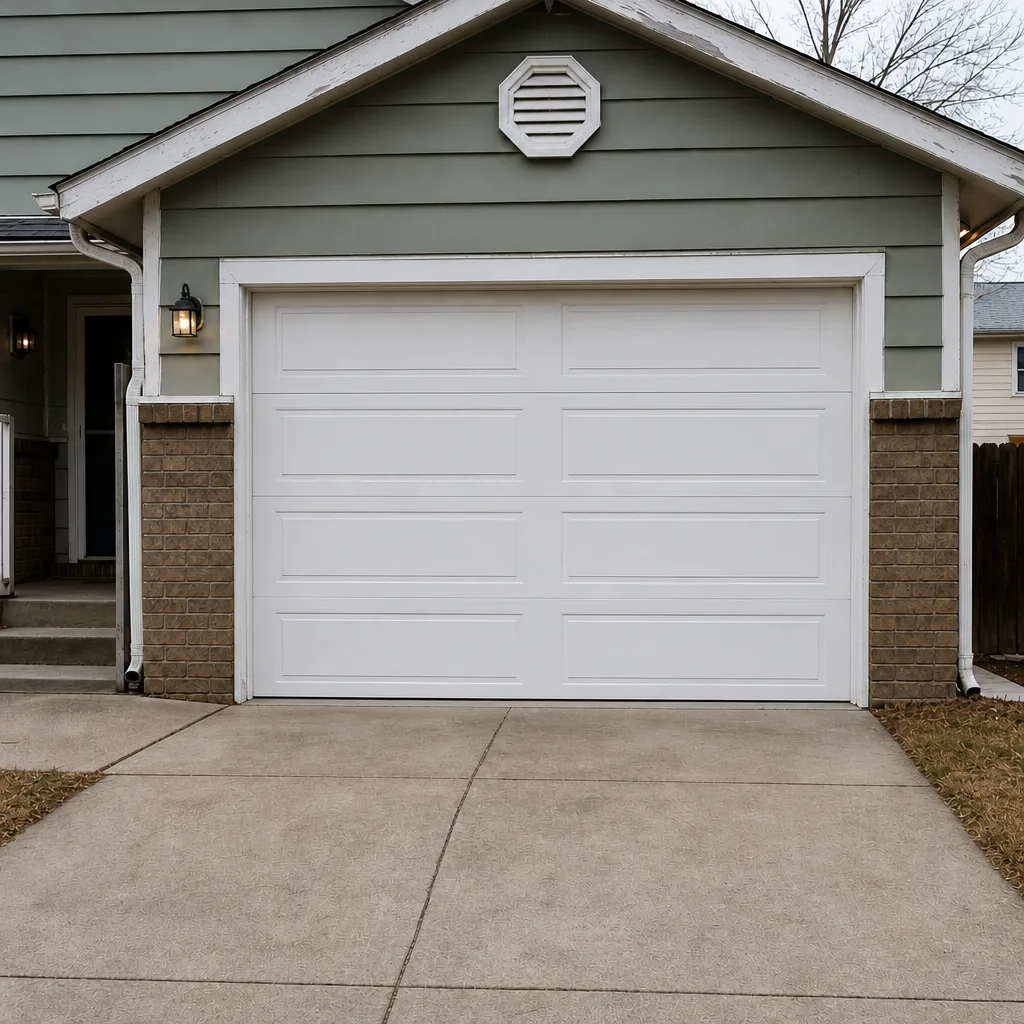 After
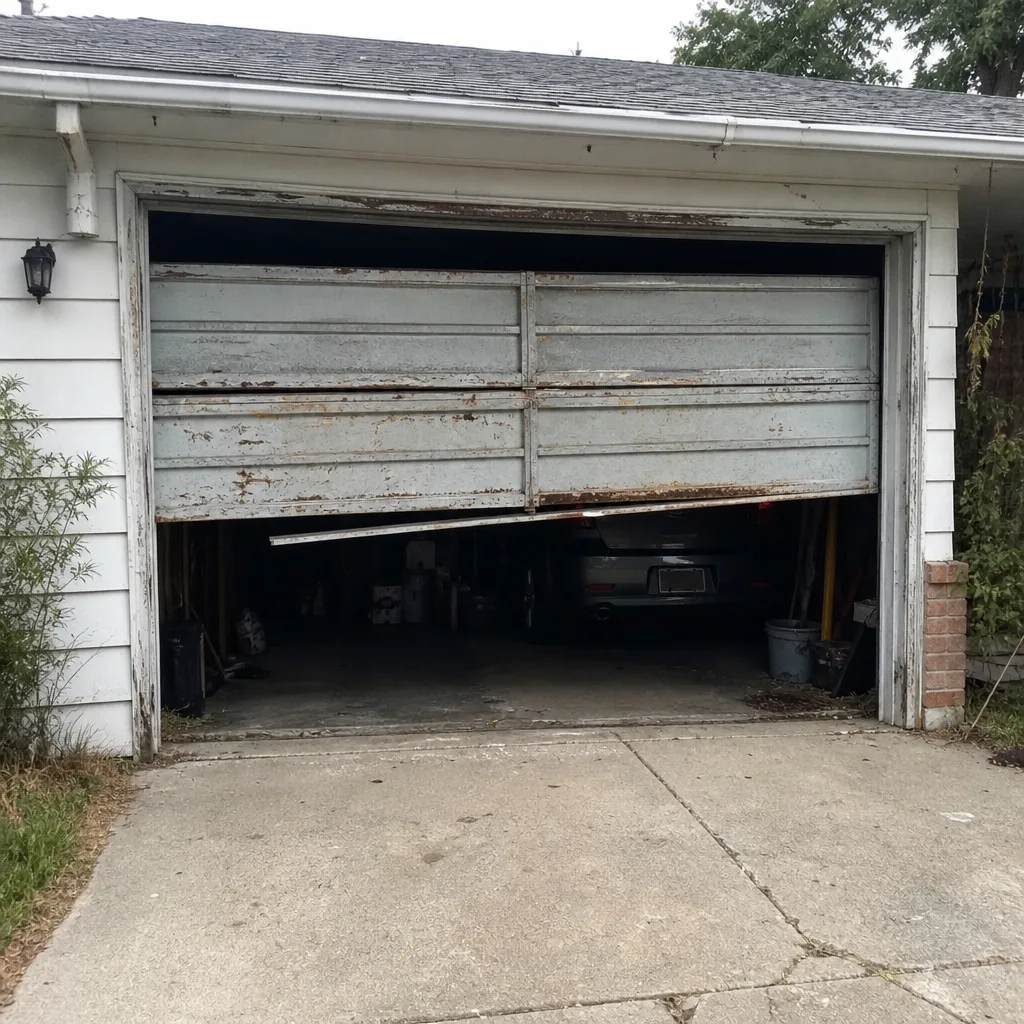 Before
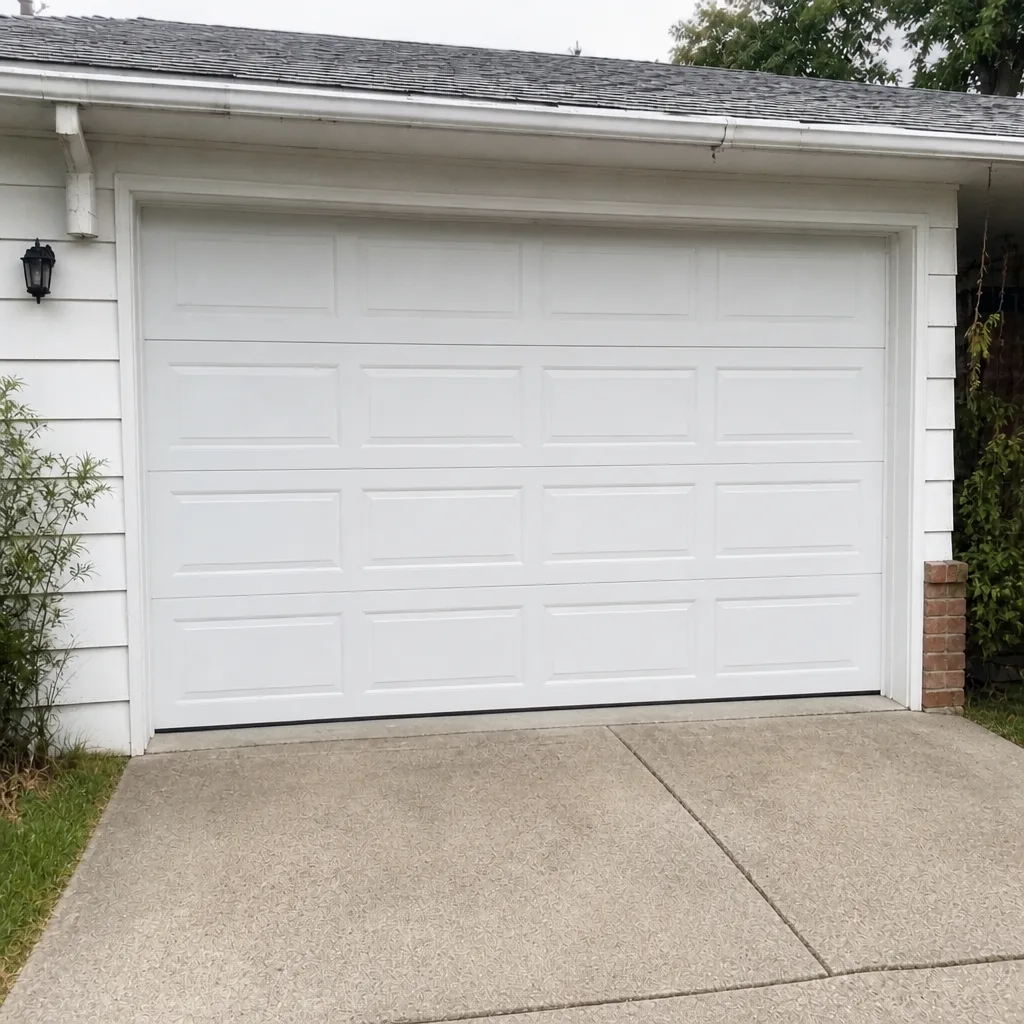 After
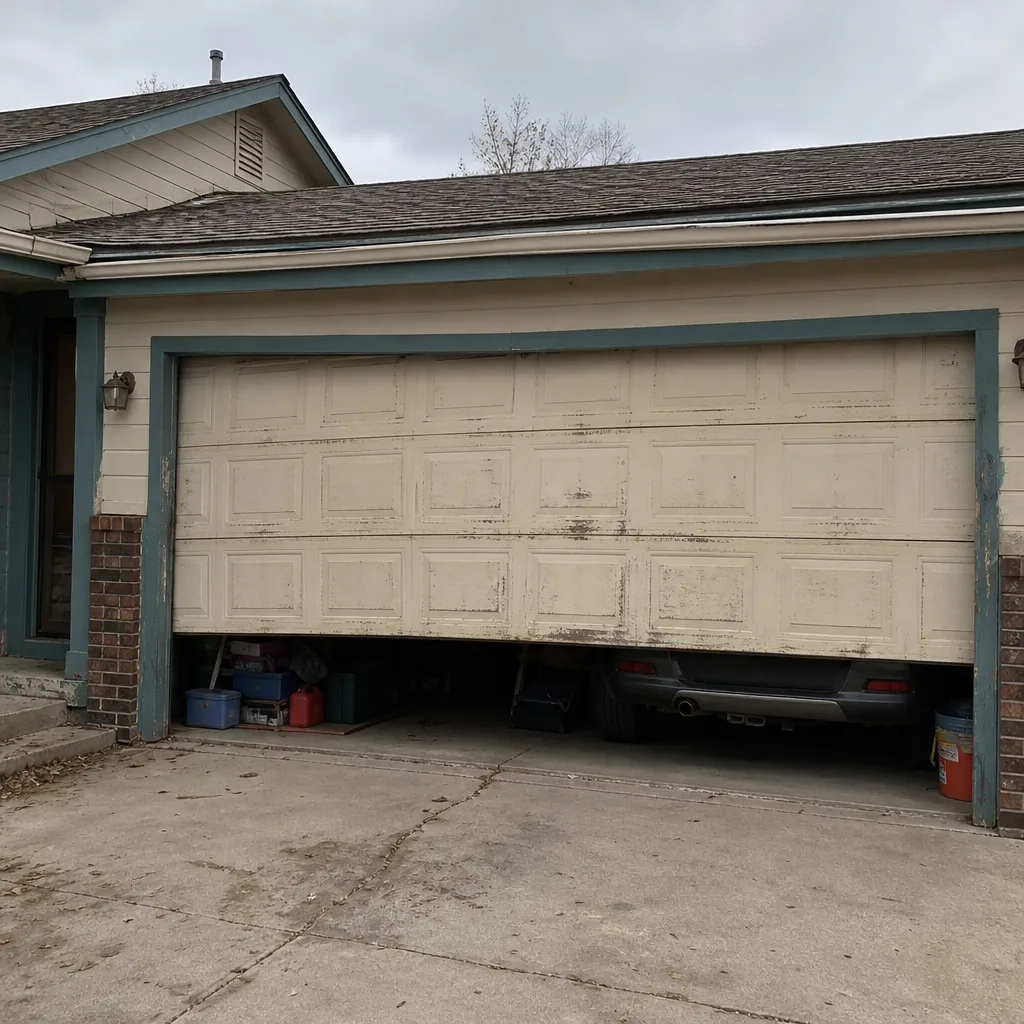 Before
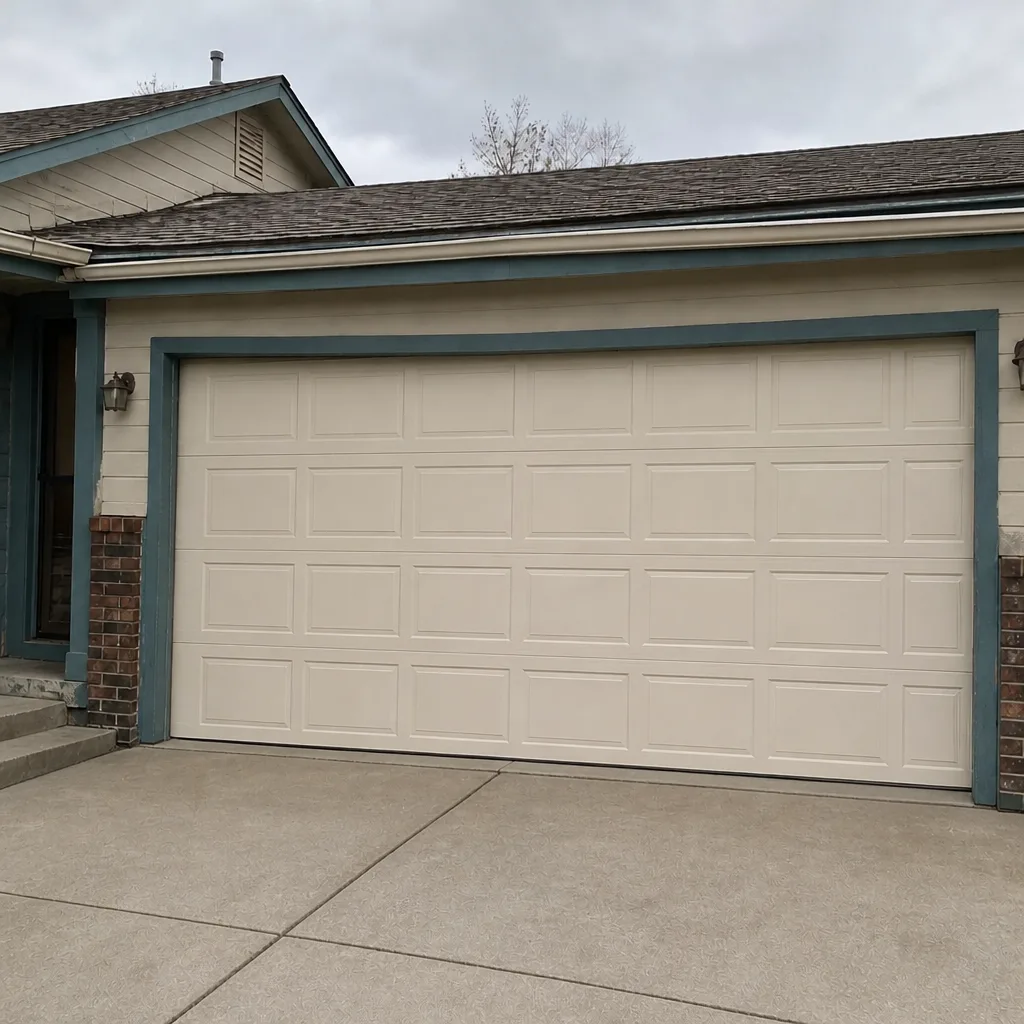 After
When to Call a Professional
Some garage door problems wait. These don’t. Call a specialist if the door has come off its tracks, if a spring has broken (you’ll hear it, and the door will suddenly be very heavy), if a cable has come loose or is hanging, if the door won’t close at all in freezing weather, if the opener runs but the door doesn’t move, or if you can’t release the carriage and the vehicle is trapped. Those are the situations where a trained technician saves you time, money, or an injury. For everything else, a scheduled visit works fine, and the diagnosis leads to a written price before any work begins.
Garage Door Repair Central Park offers free estimates in Central Park. Call (877) 419-7757. We answer 24/7. Fast dispatch from 7am to 7pm, Sunday through Friday. For a full replacement rather than a repair, we’ll set up a free measure and a written price instead.
Frequently Asked Questions
Pull the release cord hanging from the carriage on the opener rail toward the door until it clicks free, then lift the door by hand. Do this with the door fully closed so the springs aren’t fighting you, and lift with your legs. If the cord won’t pull or the carriage is frozen, stop and call (877) 419-7757 for an exact quote; estimates are free.
Stop the opener, keep everyone clear, and don’t try to force the door back into the track. A door off its tracks is held by springs under tension and can drop or swing without warning. Note from a safe distance whether the door is hanging on one side or a roller has popped out, then call a specialist. Call (877) 419-7757; we answer 24/7.
Look for a battery box mounted on or near the opener head, separate from the motor housing. If you see one, trip the breaker that feeds the opener and run the door; if it still moves, the backup is working. Battery backup models from LiftMaster, Chamberlain, and Genie are common. If the door won’t move on battery, the battery needs replacing before the next outage. Call (877) 419-7757 for an estimate; estimates are free.
Close the interior door between the garage and the house, move anything blocking a full close out of the way, and drip any faucet fed by a line running through the garage wall. If the door has to stay open overnight and the temperature is dropping, that’s the night to call. Call (877) 419-7757. We answer 24/7. Fast dispatch from 7am to 7pm, Sunday through Friday.
It depends on the cause. A limit switch or safety sensor adjustment is a smaller job than a broken spring or an off-track door. The written estimate sets the price, and you’ll have it before any work starts. Call (877) 419-7757 for an exact quote; estimates are free.
No. The price is quoted and agreed before any work starts, and the written estimate sets the final price. If the diagnosis turns up something different than what we expected on the phone, we’ll show you the difference and get your agreement before proceeding. Call (877) 419-7757 to book; estimates are free.
The local pros we connect you with are licensed and insured as their state requires. Our technicians have up to 12 years of experience, and we service the full range of door and opener brands, including Clopay, Amarr, Wayne Dalton, Raynor, LiftMaster, Chamberlain, Genie, and Craftsman. Call (877) 419-7757 for an exact quote; estimates are free.
Yes, a door that’s trapping a vehicle is a same-day priority. Call (877) 419-7757. We answer 24/7. Fast dispatch from 7am to 7pm, Sunday through Friday. A call outside dispatch hours is booked into the next opening, Sunday through Friday, 7am to 7pm.
The Bottom Line
Garage door emergency prep in Central Park is a household safety system, not a maintenance item. The three habits that matter: practice the manual release once a year, know whether your opener has a working battery backup, and never force a door that’s off its tracks or a spring that’s failed. Add a labeled release cord, your opener model number written down, and this number on a card in the garage, and you’ve covered the scenarios that turn a bad night into a dangerous one. Everything else is a repair call, and a Garage Door Repair Central Park specialist can handle it with parts on hand and the right diagnosis. Call (877) 419-7757 for a free estimate.
Written by the team at Garage Door Repair Central Park.